I’ve learned the hard way that cheap ties cost more than they save.
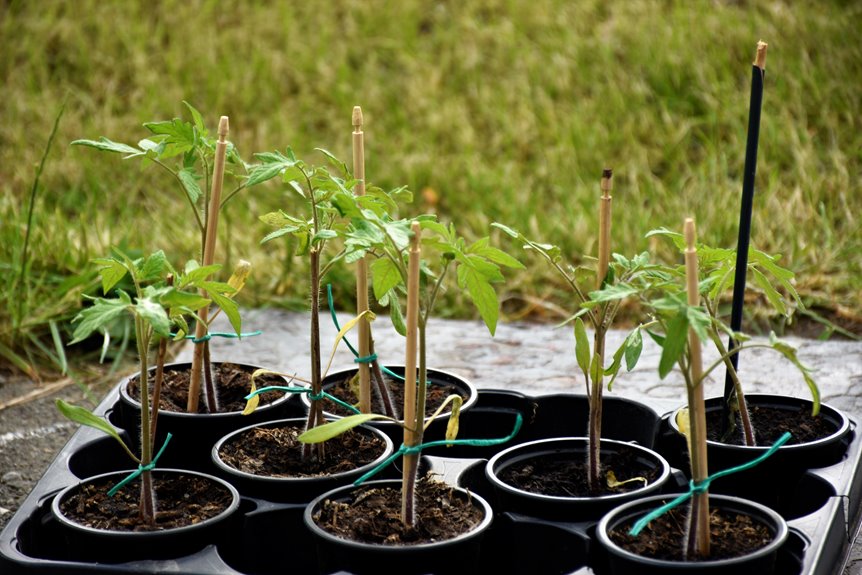
Jute twine works great for tomatoes; it’s soft, nearly invisible, and breaks down naturally. Cotton string and old T-shirt strips handle heavier branches without cutting in.
For beans and peas, I cut panty hose into one-inch strips; they stretch as stems thicken, preventing strangulation of plants.
Rubber-coated wire and plastic-coated garden ties adjust easily and last for years. Avoid bare wire and plastic string, as they scar bark and shed microplastics.
If you’re tired of tying every stem, mesh grids and DIY cages made from chicken wire or branches can save time. Each method has specific techniques that influence the health and growth of your plants.
Jute Twine: Natural Plant Ties for Seasonal Vegetables and Flowers
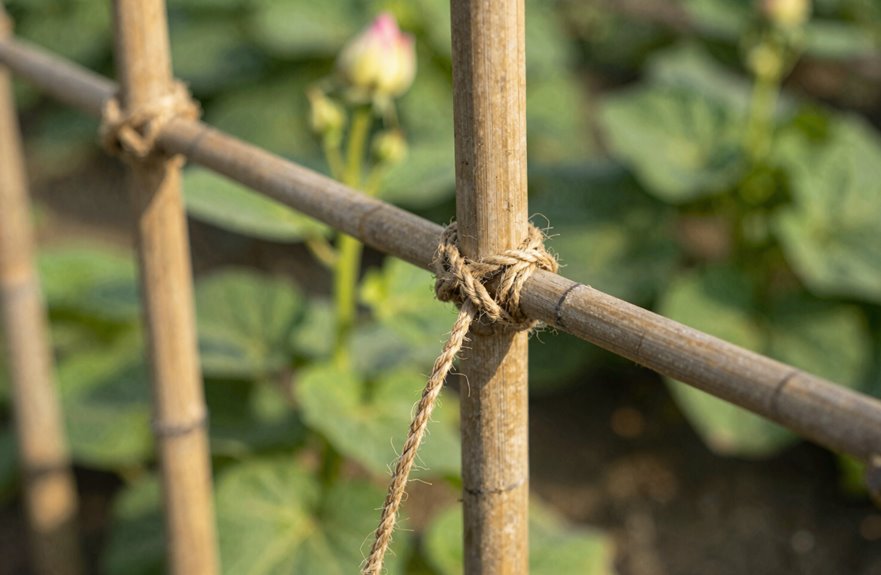
Why do I keep reaching for jute twine every spring? Perhaps it’s a habit, or maybe I’ve learned what works. Jute twine has become my go-to for natural plant ties, particularly when I’m managing seasonal vegetables and flowers that need a gentle hand.
It’s soft and flexible. I don’t worry about slicing into tender stems when securing top-heavy tomatoes or floppy dahlias. The twine practically disappears against green foliage, which my neighbors likely appreciate more than my previous attempts with neon zip ties. That was a phase we don’t discuss.
I space ties every two to three nodes, sometimes more where plants get dramatic. Products like the 600-foot natural jute twine or Hyper Tough 190 last me multiple seasons if I’m careful. Biodegradable, reliable, and forgiving, it has become an essential gardening companion after trying various alternatives.
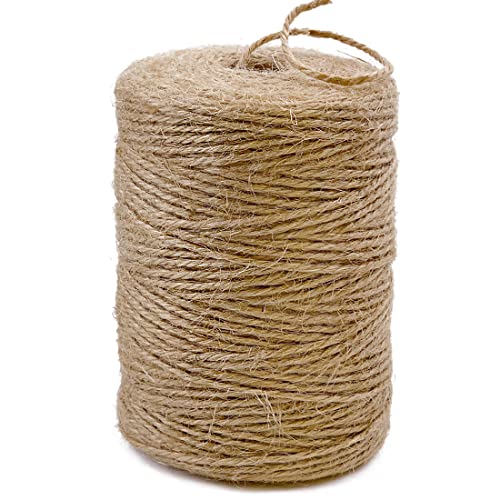
【NEW ARRIVAL】Bengal Imported 100% Natural Jute Twine String. 3 ply Φ/ 2 mm * 600 Feet (182M approx) twine. Larger amount, cost saving!!! Made of natural jute fiber, and won’t hurt environment.

Made of jute fiber, the garden jute twine is biodegradable and won’t hurt environment

LONG AND THICK ENOUGH - Long: 656 Feet Thick: 2mm Very durable, you can use our jute twine for a long time
Cotton String and Fabric Strips: Soft, Biodegradable Ties From Old Clothes
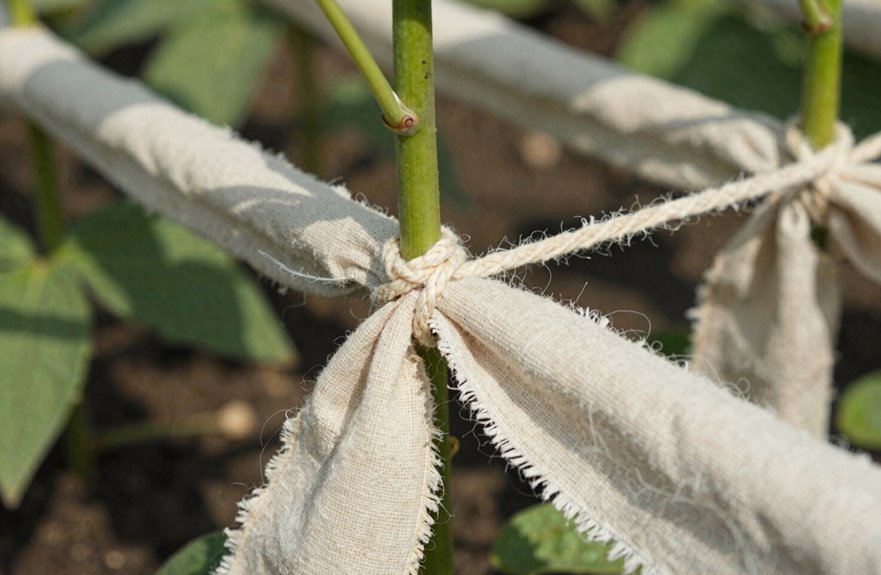
I once ran out of jute twine mid-season. In a pinch, I grabbed my daughter’s outgrown cotton T-shirt and cut it into one-inch strips. Those fabric strips saved my tomatoes.
Cotton string works similarly; it is soft and forgiving, so you won’t strangle stems like I did with wire that one regrettable year. Cut strips about eight inches long for most jobs. Wider pieces from old linen or Hessian can handle heavier branches without digging in.
These plant ties allow plants to breathe. There’s no chafing, and they create no plastic waste. I toss used strips in my compost pile, contributing to a sustainable cycle.
You can find cotton string at any hardware store, but consider raiding your closet first. Your plants won’t judge your fashion choices.

Soft & Elastic: Our plant ties designed to gently support growing plants without scratching or damaging stems, ideal garden ties for plants, vines, tomatoes and delicate indoor or outdoor greenery

164 Feet Reusable Plant Tie - A spool of 50 meters(164ft) flexible green tomato twine with 8mm width. It is easy to tie and also easy to untie, so you can use it several times

HIGH QUALITY MATERIAL -The outer shell of our soft plant tie is made of high quality rubber TPR material which is not only perfect to protect the plant wire itself, but also will protect your plants and your fence. Soft, flexible and durable, also our YDSL plant ties are cuttable and reusable, will save your effort.
Panty Hose Strips: Stretchy DIY Ties for Tender, Expanding Stems
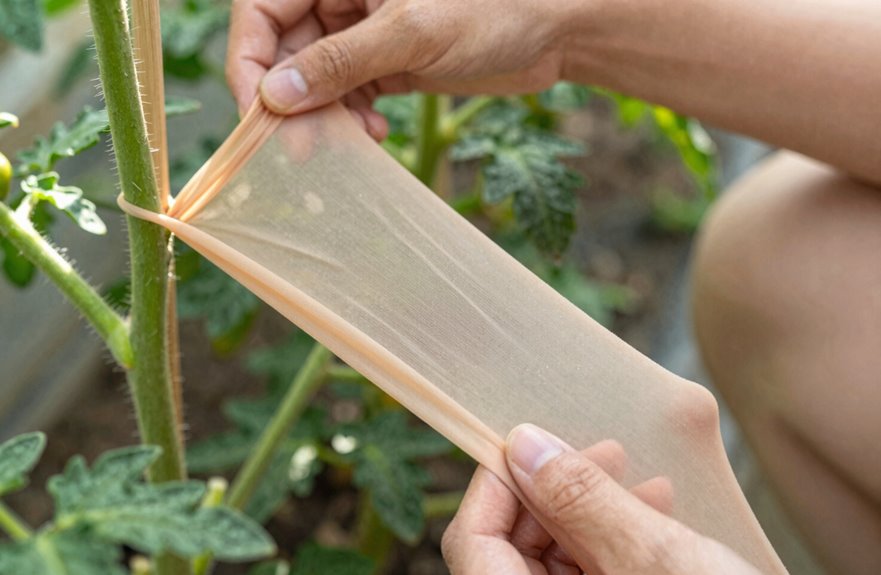
I repurpose old panty hose into plant ties because the stretchy fabric accommodates thickening stems, unlike the time I strangled my tomato seedlings with twine. Cut them into one-inch strips about eight inches long; don’t worry about perfect edges, as precision isn’t necessary. These ties work best on climbers like peas and beans, or any fragile young growth that requires gentle support without the rigid grip of wire or plastic.

MADE FROM 65% RECYCLED PLASTIC - Reusable so you can reduce waste; supports the move toward a sustainable future whether using as indoor plant support, or replacing garden wire in the yard
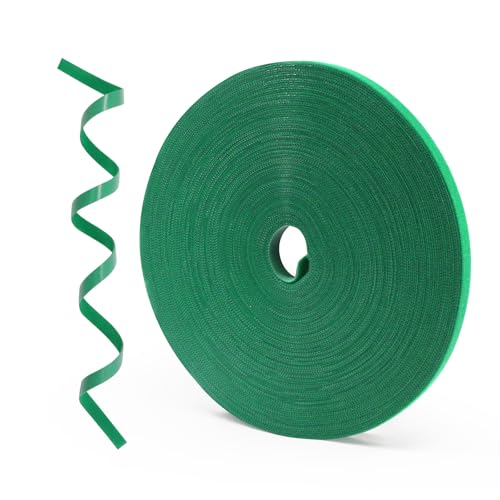
Double-Sided Use: The garden ties have two sides. You can tie the soft side inwards to protect the roots of the plants, and the rough side can increase friction by turning, so the cable ties are suitable for fixing thicker saplings.

✅Premium quality: Reusable and durable cable ties made from high-quality Nylon microfiber cloth with hook & loop. Cable straps are made of self-attaching hook and loop material, they can be for front and back dual-use.
Stretchy Fabric Benefits
Grab a pair of old panty hose from your drawer—the ones with the run you meant to toss months ago—and I’ll show you my favorite garden hack. I discovered stretchy fabric ties years ago after snapping a tomato stem with twine. I won’t make that mistake again.
This plant support method works because the material breathes and moves. I cut strips about one inch wide. The stretch accommodates growing stems without causing scar tissue that rigid materials often do.
Here’s why fellow gardeners keep panty hose in their tool kits:
- Your plants won’t suffer the girdling caused by wire.
- The soft texture prevents abrasions that can damage stems.
- You’ll feel resourceful repurposing something you’d otherwise discard.
I replace mine when they fray, usually after one season. This method is simple, effective, and a bit quirky, making it a great addition to any gardening routine.
Cutting and Sizing
Why let a perfectly good pair of ruined panty hose go to waste when your tomatoes need support? I’ve turned dozens into DIY ties for plant staking, and here’s my method.
I grab scissors and cut the panty hose into strips about one inch wide. If they’re too narrow, they’ll snap; if they’re too wide, they’ll be bulky. I aim for roughly twelve inches long, though I usually eyeball it. The waistband can produce multiple ties if sliced correctly.
I once made the mistake of tying them too tightly. The beauty of panty hose is their stretch. I loop them loosely in a figure-eight around the stem and stake, allowing for breathing room. Your plants will thicken, and you’ll have a reliable support system.
Best Plant Applications
For plant support that grows with your garden, panty hose offers:
- Tender seedlings that bruise at the slightest touch
- Fast-growing vines that outpace rigid ties in weeks
- Heavy fruiting plants needing gentle cradle-style holding
I cut mine one inch wide and two feet long, then knot loosely in a figure-8. The stretch allows movement. Your plants can breathe. This is a way to navigate the challenges of gardening together.
Plastic-Coated Garden Wire: Adjustable Ties That Stay Hidden
I’ve started using plastic-coated garden wire more lately because that green coating blends seamlessly with leaves. I no longer see bright silver flashes in my garden photos. You can untwist and retie it about a dozen times before it becomes difficult to work with, which helps me avoid cutting the wire too short on the first try. Just thread it through your stake, loop it in a loose figure-eight around the stem, and you’ll be set; this prevents girdling disasters that occurred with bare wire during one unfortunate summer.
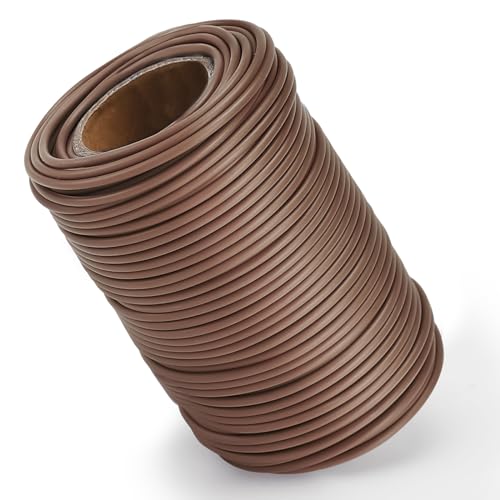
【Premium Material】- The outside of brown plant tie is made of premium rubber TPR material, and the inner core is equipped with high-quality metal, which helps the twist plant ties with flexible specialty, durable, sturdier, can easy to be bent. Perfect for outdoor use.

Flexible Garden Tie:This soft plant tie is mainly used to support or fix climbing plants, providing orderly traction for climbing plants during growth, which is beneficial for plant growth

【High Quality Material】The soft plant tie is made of Premium Material. It is gentle to protect your plant vines and stems without any damage. And flexible to wrap it around tomatoes, orchids and outdoor plants
Hidden Green Coating
Camouflage has its place in the garden, and green-coated wire does the job well. I learned that stark silver ties stand out against leaves like a neon sign, which is why I switched to green-coated garden ties; they blend seamlessly into the foliage.
My staking supports used to look chaotic. Now visitors often ask how my plants stand so tall, and I simply smile.
The coating hugs stems without causing the scrapes I used to inflict. I can adjust and readjust without cutting and retying, which saves time. My vegetable patch now looks like nature intended, rather than a hardware store display.
The plastic shield prevents the bark damage I once overlooked. I have reused the same green-coated wire for three seasons. My garden feels cohesive and intentional, making it clear that I belong here.
Adjustable Reusable Design
That’s where plastic-coated ties come into play. These adjustable ties stretch and shift as your plants grow, so you’re not out there every morning with scissors and regret. I cut mine to about six inches for precise node-by-node application, eliminating the guessing games.
The coating protects stems from abrasion, which bare wire does not. I’ve scarred enough tomatoes to know better. For plant support that adapts to your garden, these reusable ties allow you to reorient stems without starting over. When August arrives and everything is still standing, you’ll appreciate this choice.
Rubber-Coated Wire Ties: Reusable Plant Ties for Climbers and Shrubs
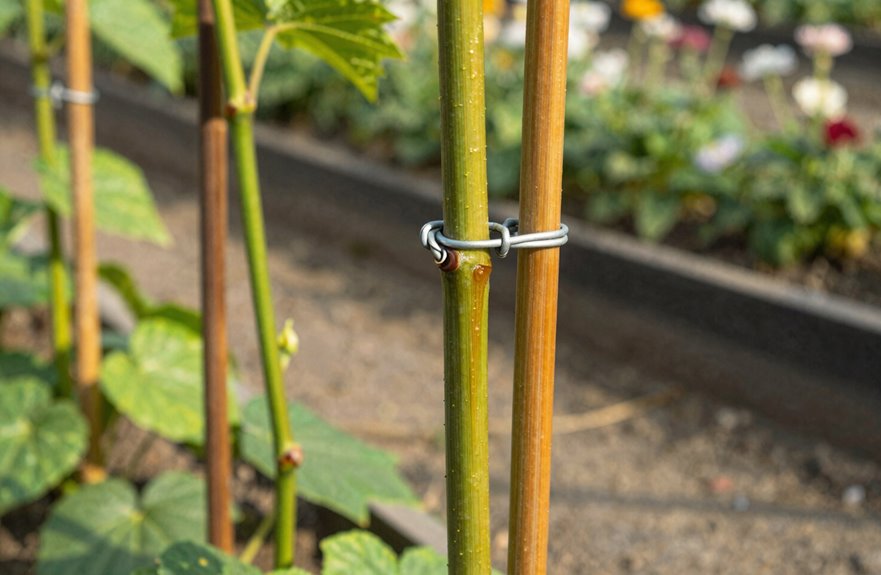
A rubber-coated wire tie is a garden tool I discovered when my tomato vine sagged like a deflated balloon. I had been using string, which was not ideal for my plants.
These reusable plant ties transformed my gardening experience. I wrap them around my climbers and shrubs with confidence. The rubber coating protects stems while the wire core provides stability during storms.
Here are some lessons I’ve learned:
- The gentle grip means no more discomfort when checking ties after rain.
- You can reposition them multiple times without guilt.
- The figure-eight pattern works well—loose enough for breathing, snug enough for support.
My clematis has never looked better, and my gardening experience has improved significantly.

【Premium Material】- The outside of green plant tie is made of premium rubber TPR material, and the inner core is equipped with high-quality metal, which helps the twist plant ties with flexible specialty, durable, sturdier, can easy to be bent. Perfect for outdoor use.

Cost-Effective Value Pack: Get double the value with 2 reels (492FT) of premium PVC-coated steel wire. Each reel contains 246FT/75m more - enough to support 100+ plants.

【Premium Material & Ample Length】:Our garden twist ties are made of high-quality green plastic-coated iron wire, rustproof and durable. Each roll is 262ft, 2-pack total 525ft(160m), long enough for all your gardening, bundling and organizing needs.
Hessian Strapping: Wide Bands for Trees and Long-Term Support
I reach for hessian strapping when I’ve got a tree that’s determined to lean like it’s had too much coffee; usually anything over six feet tall or in a spot where the wind howls through like my neighbor’s opinionated comments. You’ll want to wrap a full overlapping loop around the trunk and stake, maybe threading some wire through where the bands cross if you’re feeling cautious. I’ve learned that lesson after watching a poorly secured apple tree do a face-plant in October. The wide fabric spreads pressure so it won’t bite into bark, and I can reuse it for years because I prefer not to buy new straps every season.

【GARDEN TWINE】Bengal Imported 100% natural jute, which is eco-friendly. Soft tone and natural texture can perfectly fit into the plants. The thickness of 2mm/2.5mm provides strong support for plants. This garden twine is a very sound and budget friendly choice for you.

【GARDEN TWINE】Bengal Imported 100% natural jute, which is eco-friendly. Soft tone and natural texture can perfectly fit into the plants. The thickness of 2mm provides strong support for plants. This garden twine is a very sound and budget friendly choice for you.
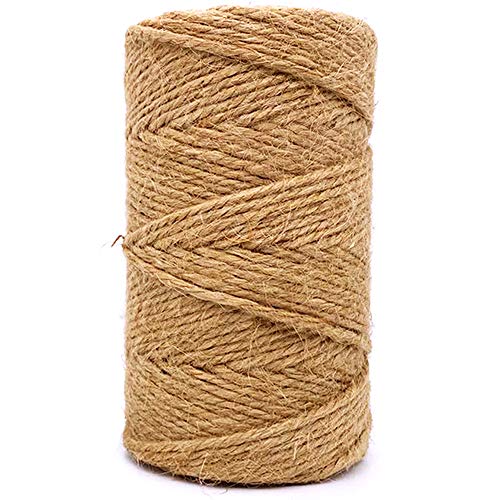
PREMIUM MATERIAL:Crafted from high-quality jute fibers, this twine offers reliable strength and durability
Ideal Applications
Why settle for flimsy ties when you’re staking something that will outlast your patience? I learned this the hard way after watching my neighbor’s sapling snap in a spring storm while mine stood firm. That’s when I switched to Hessian strapping.
This wide fabric band wraps your trees like a gentle hug, providing long-term support without strangling growth. I’ve used it on everything from wobbly fruit trees to my crooked Japanese maple that looked like it was doing yoga.
Hessian strapping belongs in your garden for several reasons:
- Young orchard stock finding their footing in your family plot
- Wind protection for tall specimens on exposed hillsides
- Slow-growing trees you’ll still be tending decades from now
It distributes pressure evenly across four-inch-wide loops. No more bark damage. No more guilt.
Installation Method
Getting Hessian strapping right requires patience, which I initially lacked. I wrapped it too tightly and watched my sapling decline for weeks. Now I understand the correct approach.
The installation method begins early when your plant is still small and floppy. I loop the wide band fully around the trunk and stake, overlapping the ends to ensure pressure spreads evenly. There’s no pinching or cutting in. Then, I thread thin wire through the fabric like a giant staple and twist it snug. This serves as the anchor point.
This setup provides effective wind protection, especially in orchards where young trees are vulnerable. The hessian strapping allows for some movement as the tree grows. I’ve learned to check the tension regularly. With practice, you will become proficient as well.
Material Benefits
How does hessian strapping benefit my garden? I’ve learned that flimsy ties snap when they’re needed most. These wide bands support trunks without causing damage.
I use hessian strapping for my wind-battered apple saplings. The overlapping loop, secured with thread through the fabric, keeps everything steady during strong winds that would ruin lesser ties. This method is plant-friendly, preventing any cutting into the bark as trees thicken.
Here are the reasons I prefer it:
- The width spreads pressure evenly, preventing damage.
- It lasts for years without rotting.
- It provides effective protection against storms.
For slow growers and orchard plantings, hessian strapping has proven to be a long-lasting solution, eliminating the need for replacements each season.
Wire and Plastic String: Ties That Damage Plant Stems and Soil
I’ve learned the hard way that not all ties are created equal. Wire and plastic string might seem handy, but they can cause significant issues for your plants.
Plastic strings don’t biodegrade. They crack in sunlight, shed microplastics into your soil, and strangle stems as plants grow. I’ve found nursery labels engulfed by bark, creating weak spots that invite disease. Bailing twine is essentially sandpaper for tree trunks. Avoid it.
Synthetic options like nylon or polyester are no better. They degrade, contaminate, and lead to plant damage that can be detrimental.
I’ve switched to cotton string and other biodegradable ties. They break down naturally, flex with growth, and won’t scar your plants. Your garden deserves protection from wire cuts and plastic pollution. I’ve made these mistakes so you can avoid them.

LONG ENOUGH: This plant ties are 492 feet (150 m) per volume. Durable and long enough for your use.

TWIST TIE LENGTH & MATERIAL - 328 feet length(100 meter) 1 reel, Main material is plastic and iron wire

SOFT, STRONG & STRETCHY - Biostretch Garden Plant Ties are made from premium green fabric that is soft, strong, and stretchy. Reduce waste by easily cutting to your desired length and provide support for your delicate indoor and outdoor plants.
When Ties Aren’t Enough: Mesh Supports and Grid Systems
Sometimes individual ties just don’t cut it. I learned this the messy way after spending hours tying up tomatoes only to watch them flop over. That’s when I discovered mesh supports and grid systems.
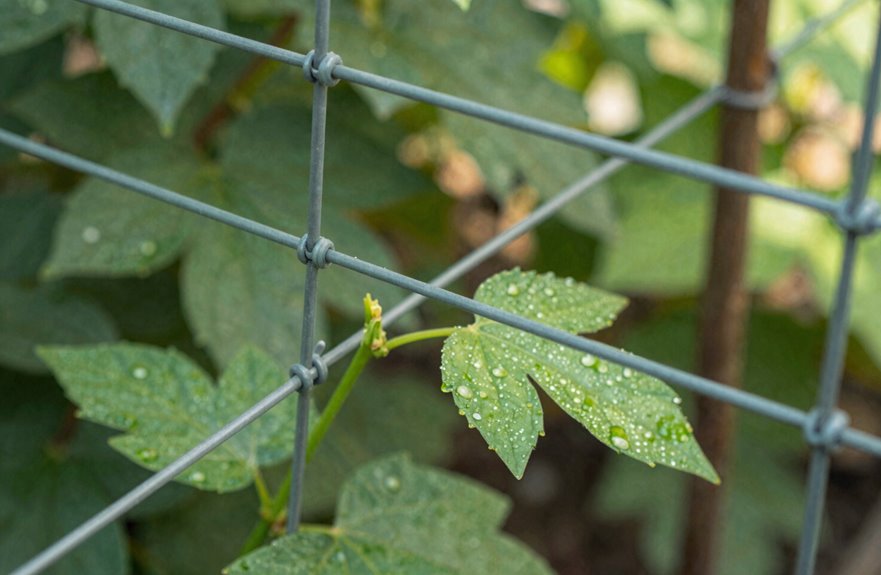
These structures give your plants room to grow while keeping them upright. I install metal grids with 3-inch mesh early in the season when plants are just a few inches tall. This way, the framework nearly disappears under foliage. Nylon grids work too, though they can be difficult to untangle come fall.
Here are the benefits I’ve found:
- Grid systems save your back when individual tying materials become overwhelming.
- Early installation means you’re not wrestling with six-foot plants later.
- Combining sturdy stakes with soft cotton or jute ties in figure-8 patterns allows stems to expand naturally.
Chicken wire circles with woven stakes are effective for smaller patches.

Reusable:The Plan ties is made with premium nylon and plastic material, without chemical glue, which is safe, clean and healthy.Reusable and recycle tape

REUSABLE PLANT TIES ---- Plant ties can hold and support plants and are securely tied together, suitable for use as plant thread, plant tape and plant clips, help plants grow better and make your garden more tidy and beautiful. Any time you don't need plant ties, you can collect them and reuse them.

Great Material:Made of soft Nylon, and the hook and loop Strips fastener is a safe and environmentally friendly alternative,so it will not damage plant or any items when tied together
DIY Support Cages: Chicken Wire and Branch Structures for Perennials
Why spend money on fancy supports when you probably have everything you need already? I’ve built countless plant support cages from chicken wire and branch structures, and they often outperform store-bought options.
For thin-stemmed perennials, I cut chicken wire into cylinders about two-thirds the mature width of my plants. I weave rebar or bamboo stakes through the openings; two or three does the trick, and I anchor them deep. The plants grow right through the mesh. I’ve learned to go shorter than full height; otherwise, you might be cutting plants free midsummer.
Branch structures require more patience. I interlace twigs into artistic grids early in spring, before growth explodes. They are compostable, practically free, and blend into the garden. Sure, construction takes an afternoon, but watching perennials thread through your handmade cage is rewarding.
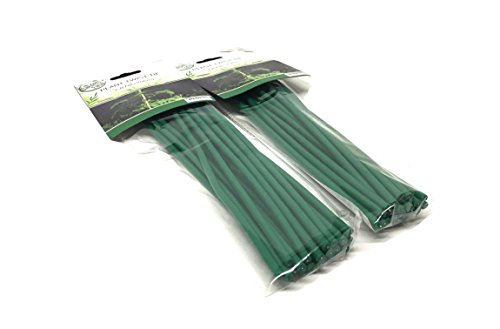

PERFECT GARDEN TOOL - Made of metal wire coated in soft rubber, the garden twist tie is durable, soft and gentle on plants. It’s easy to bend and protect tender plant stems from harm
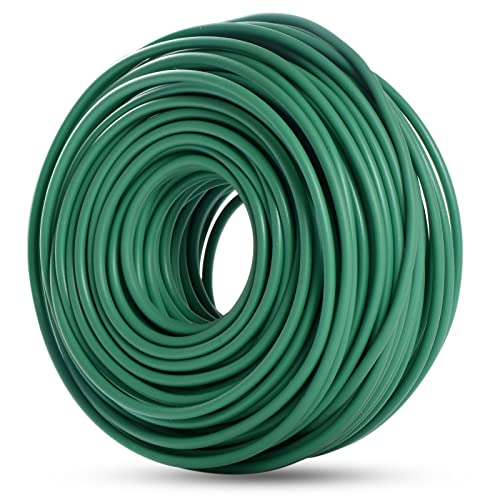
【Premium Material】- Made of high-quality rubber TPR , these garden wire ties are durable, sturdy, and bendable. Green will become the best-hidden color in the garden, helping the plant ties complete their work without appearing obtrusive in the plants.
Choosing Plant Ties by Use: Vegetables, Trees, Climbers, and Flowers
How do you pick the right tie for the job without overthinking it? Plant support isn’t one-size-fits-all.
Plant support isn’t one-size-fits-all—match your tie to your plant’s needs, not your overthinking.
For my tomatoes and morning glories, I use soft jute twine or old t-shirt strips. I tie them loose in a figure-8 every few nodes. They grow without being restricted.
My maple tree benefits from gentle ties. Hessian strapping lasts seasons without damaging the bark. I switched to natural fibers after observing plastic degrade in my garden.
- Your vegetables need room to breathe and stretch.
- Trees deserve patience and materials that weather gracefully.
- Climbers need support that allows them to thrive.
Avoid using fishing line or bare wire. These choices can harm your plants and create extra work in the long run.

Our gardening tie is made of outer plastic wrapped with inner steel wire, so that you can fix it in place without knotting when you use it, which can effectively avoid damage to plant stems when bundling. In addition, there is a metal trimmer on the shell packaging of the garden tie, which can cut it to the length you want faster, which is convenient for you to use, and the shell packaging is hollowed out, which is very convenient to carry.

QUALITY CONSTRUCTION: Our 0.6mm iron wire is coated with a green PE plastic. 2mm wide tie material is ready to work for you
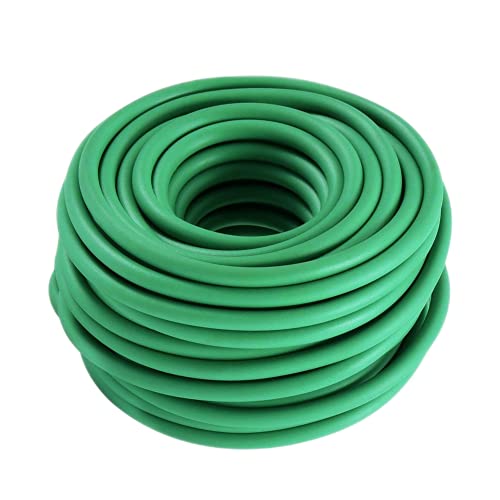
🍅【High Quality Material】 -The outer shell of our soft plant tie is made of high quality rubber TPR material, which is not only perfect to protect the plant wire itself, but also will protect your plants and your fence. Healthy material, harmless to plants.ideal for tying all plants, vines, and vegetables.