
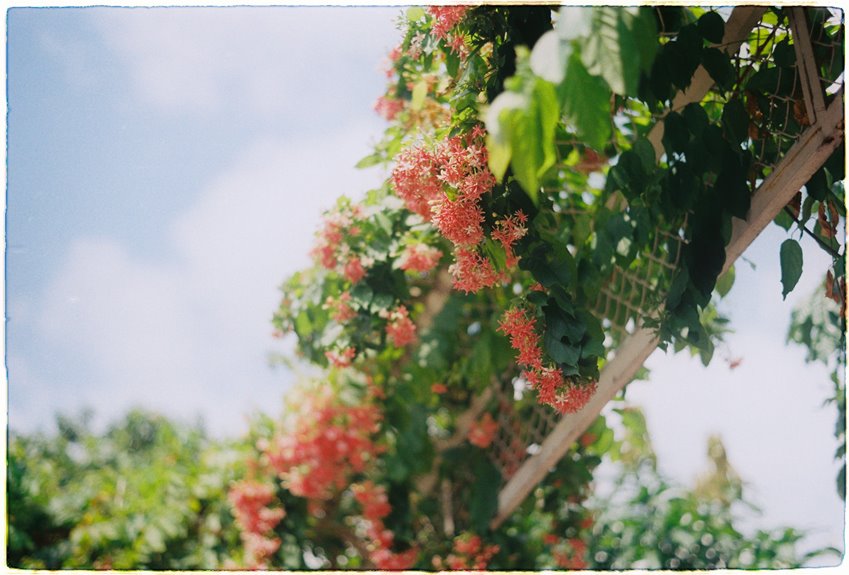
I’ve learned the hard way that flimsy trellises collapse when plants get heavy, so I always match structure to vigor now. Start with peas and pole beans; they are lightweight climbers that practically train themselves. Cucumbers and indeterminate tomatoes require six to eight feet of sturdy support and soft ties with slack. For heavy fruit like melons and squash, you’ll need cattle-panel strength and fabric slings. Fast annuals like morning glories cover gaps quickly, while clematis and wisteria return each year. Choosing the right plants ensures efficient use of vertical space and allows your garden to grow higher than expected.
Best Trellis Plants for Beginners: Peas and Beans
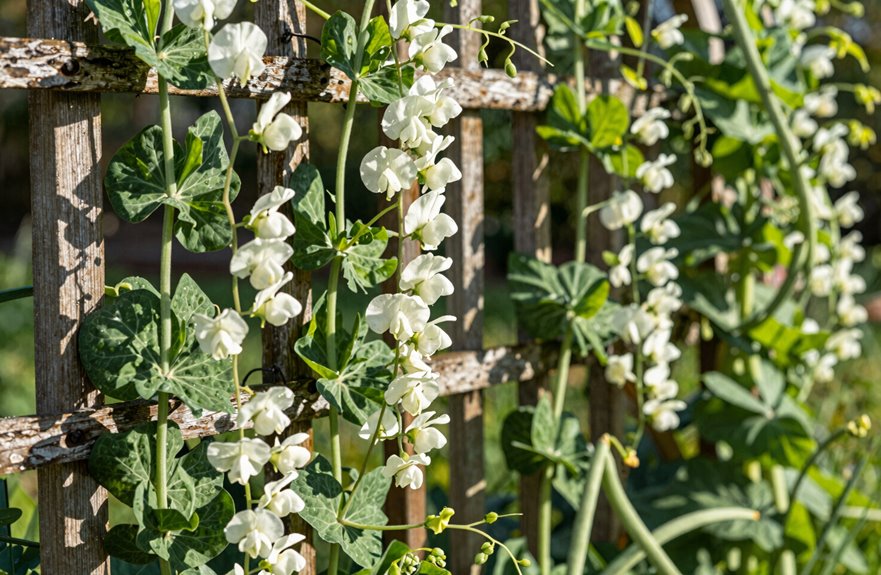
Why start with something finicky when you can grow plants that easily climb the trellis themselves? Peas were my first trellis success; I killed three tomato plants before figuring that out. Sugar snap and snow peas wrap their little tendrils around anything, with no training required. They will scale a simple trellis and reward you with crisp pods in tight spaces.
Pole beans follow the same easy formula. Provide them with six to eight feet of vertical support, and they will shoot upward while you mostly watch. I learned the hard way that flimsy structures collapse under enthusiasm, so it’s important to build sturdy. These lightweight climbers do not require heavy-duty engineering. Starting with these plants will give you a solid foundation in gardening.

🥒U-shaped Garden Trellis - Compared with the traditional A-frame trellis, our U-frame trellis is more stable and offers better air circulation.The U-shaped cucumber trellis for garden provides climbing plants with a stable surface and maximizes the garden space,Providing an excellent growing environment for plants.

Color Black Material Plastic Product Dimensions 72"W x72"H Style Garden,Trellis

【Trellis for Climbing Plants Outdoor】Adjustable Height (70 inches) is the ideal size for outdoor climbing plant trellis, with three heights of 36, 52 and 70 inches, you can adjust the height you need according to the growth of your plants, providing enough space for the plants you want to grow while creating a visually appealing display.
Cucumbers: Vertical Growing for Cleaner Fruit
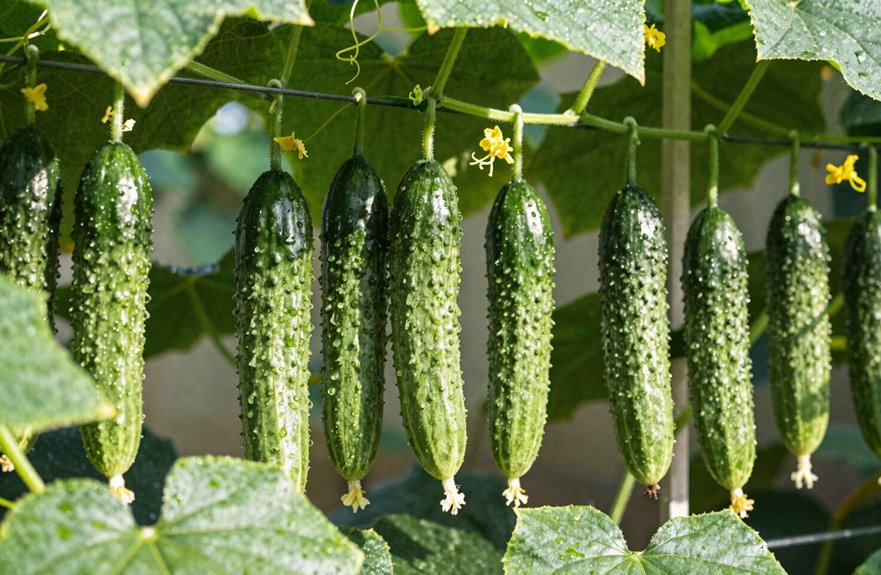
I used to let my cucumbers sprawl everywhere, but training them up a sturdy trellis saves me at least three square feet of precious bed space. Vertical growing keeps cucumbers off damp soil, reducing the risk of rot and pests. This simple shift makes harvesting much easier, and I should have started years ago.

Trellis Netting Polyester Nylon: Our trellis netting is made of durable polyester nylon materials,strong and durable, not easy to break, reusable,can support extremely heavy crop loads, protect plants from damage, able to grow vertically

Reusable and Versatile: Measuring 3mm in diameter, Vivosun uses ultra-durable elastic thread in the elastic fabric cover and 4 rustproof "S" hooks measuring 22mm in width; You can easily fold it up and store it away after use
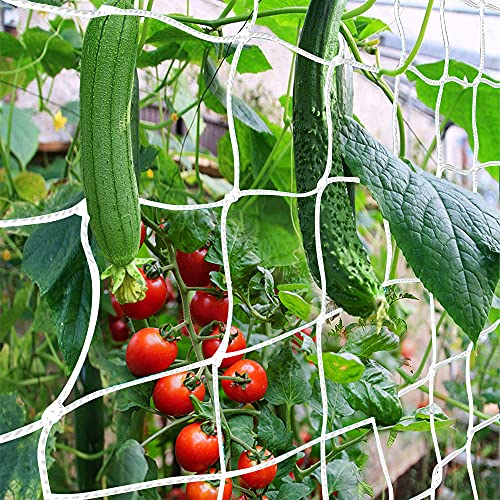
★【Reusable, High-quality, Versatile Trellis Netting】Soft, yet heavy-duty, this plant trellis netting helps plants cling to a smooth surface and will last a couple of years.
Space-Saving Growth Method
Ever thought about how to keep cucumbers from turning into slimy, dirt-caked messes? Vertical growing completely transformed my gardening experience.
| What You Need | Why It Matters | My Two Cents |
|---|---|---|
| 6-8 foot trellis | Maximizes small spaces | I learned this the hard way |
| Sturdy netting | Supports heavy fruit | Prevents the dreaded sag |
| Soft garden ties | Won’t strangle stems | Looser is better |
I install my trellis in full sun, aiming for at least six hours, with morning light if possible. This positioning encourages blooms while keeping vines from wilting in afternoon heat. The vertical setup significantly improves airflow, leading to cleaner harvests and much less bending. Picking cucumbers becomes an enjoyable task rather than a chore of digging through dirt.
Disease Prevention Benefits
How much time have I wasted scrubbing dirt off cucumbers? Too much. That’s why I’ve decided to trellis them.
Vertical growing lifts fruit away from soil splash. Cleaner cucumbers mean less rot after harvest. The real advantage is improved air circulation. When vines climb instead of sprawl, breezes move through the leaves. This airflow reduces humidity around the foliage. Powdery mildew thrives in moist conditions, so I’ve noticed significantly less of that fuzzy white issue on my trellised plants.
I can spot problems early. Training vines upward keeps everything visible, eliminating hidden leaf clusters that trap moisture. My plants remain healthier for longer, reducing the need to combat preventable diseases mid-season. It makes for simpler gardening, and my harvest benefits.
Tomatoes: Which Varieties Need Support (and How to Train Them)
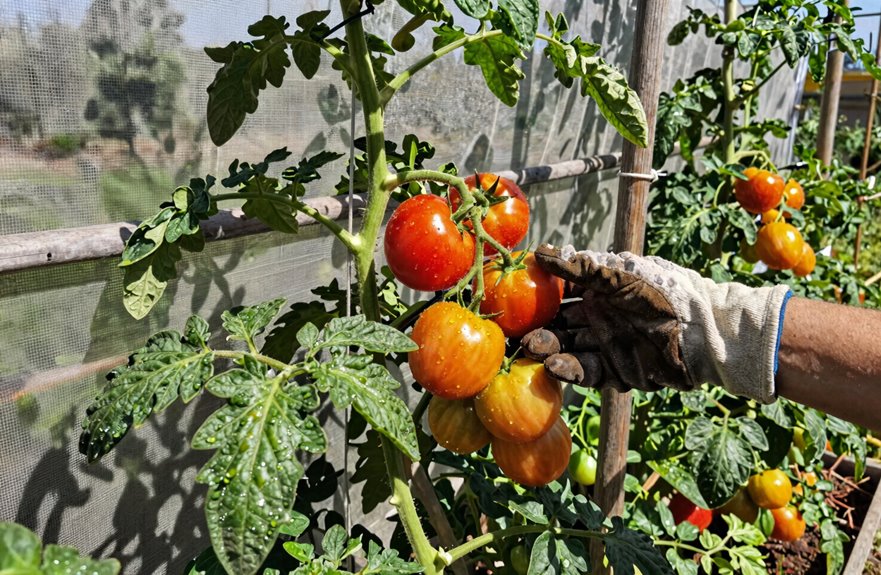
Why do some tomatoes flop over while others shoot skyward? It all comes down to variety. Indeterminate tomatoes require significant trellis support, as they can climb 6–8 feet if allowed, while determinate types remain more manageable. Skimping on anchoring can lead to disaster when the fruit loads up.
I use soft plant ties in figure-eights around rungs, leaving slack so stems don’t girdle. Topless training with one or two main shoots keeps things tidy. Angle your trellis toward the sun; I once shaded my own plants by facing mine north. Good airflow promotes less disease and sweeter fruit. We are learning together, season by season.

【Rust-Resistant Material】: Cucumber trellis is constructed with high-quality galvanized steel inner pipes and an exterior plastic coating, forming a dual-layer rust-proof barrier to ensure long-lasting durability

【U-Frame Stability Structure】U-shape cucumber trellis is more stable than the A-shape trellis. The arch design provides climbing plants with a stable surface and maximizes the garden space.

Heavy Duty Metal Trellis, Stability for All Climbing Plants: Crafted with 0.6mm thick stainless steel and a 0.63-inch reinforced center pole, this garden trellis for climbing plants outdoor is built to last. It stands firm through wind and rain, providing season-long support for pole beans, snap peas, tomatoes, cucumbers, and flowering vines like bougainvillea and morning glory.
Squash and Melons: Trellis Solutions for Heavy Fruit
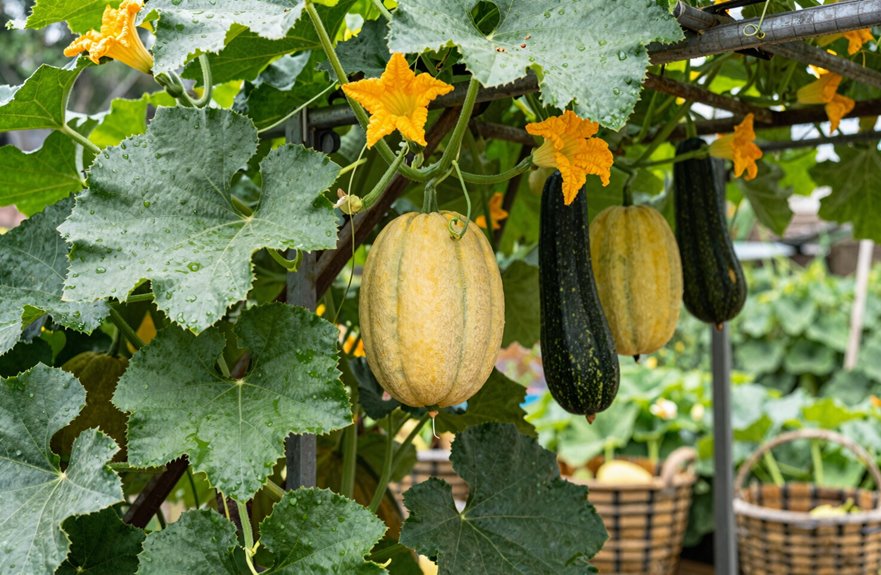
Where do you stash a 15-pound watermelon when it’s dangling six feet off the ground? You build a trellis that can handle heavy fruit, or you end up with squash splattered on your patio. I’ve been there.
For melons, I use slings—old t-shirts work well. For squash, I prefer arch or obelisk designs that lift vines up and allow air to flow through. Here’s what I’ve figured out:
| Crop | Trellis Type | My Sling Hack |
|---|---|---|
| Watermelon | Sturdy arbor with 6-8 ft height | Stretchy fabric strips, tied loosely |
| Zucchini | Arch or obelisk | None needed if picked young |
| Cantaloupe | Heavy-duty posts with cross slats | Mesh produce bags |
Choose vining cultivars and prune aggressively to prevent losing fruit to gravity.

Heavy-Duty Construction Size: 100ft (length) × 48" (height) Material: High-strength galvanized steel wire ,Surface Treatment: Hot-dip galvanized for superior rust resistance & extended lifespan

PRODUCT SIZE - Trellis netting 5Ft *15 Ft, 3.5 inch square mesh, easily cut to desired size to use. Important note: The trellis netting comes in a vacuum sealed bag.

✅ Adjustable Height (17" to 50") – Grow from Seedlings to Giants! Start at 17" for delicate seedlings, then effortlessly extend to 50" as your cucumbers, tomatoes, beans, or towering vines flourish! Designed to match your plants’ growth cycle, this trellis adapts to raised beds, containers, or sprawling gardens.
Match Your Trellis Strength to Your Plant’s Weight
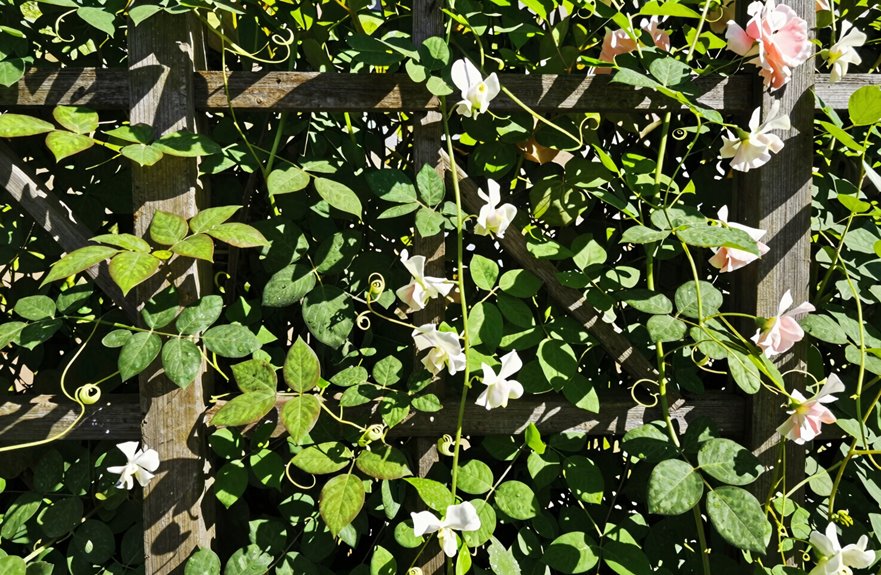
Have you ever watched a trellis buckle under a plant that’s grown bigger than you planned? I once lost a gorgeous clematis to a flimsy wire frame that couldn’t handle the load.
Always match your trellis weight to your vine’s mature size. Heavy vines like wisteria need thick posts or pergolas; think 4×4 lumber minimum. Wisteria can snap cheap trellises easily. Meanwhile, morning glories thrive on lightweight netting. No overkill is necessary.
Before you buy, check the weight capacity. Compare it to your plant’s full-grown heft. For vigorous climbers, add extra supports or slings for fruiting branches. Clematis does well on standard wall trellises. Wisteria requires strong, freestanding support.
Getting this right will help you avoid common mistakes.

【Sturdy and Durable Material】This melon hammock is made of thickened nylon material, which is sturdy, durable, resilient and eco-friendly for easy storage.

12-Pack Watermelon Net with 30 Zip Ties: Package includes 12 heavy duty mesh fruit bags + 30 strong straps, enough to meet your daily use, replacement needs and sharing needs.

Watermelon nets are mainly used to hang various melon fruits in the growing process, such as watermelon and cantaloupe. Reduce the burden on vines and avoid falling watermelons or cantaloupes because they are too heavy. At the same time, hanging the melon fruits on the shelf with bags can increase the absorption of sunlight and make them grow better. It can also be used to hold other fruits or vegetables in daily life.
Climbing Flowers for Trellises: Beauty With Benefits
How can you turn a boring fence into a blooming masterpiece? Climbing flowers on a trellis can transform vertical space into something magical. You’re not just gardening upward; you’re creating privacy, inviting pollinators, and promoting better air circulation for your plants.
Picture your garden coming alive:
- Morning Glory vines spiraling up an obelisk trellis, greeting you with trumpet-shaped blooms each dawn.
- Clematis cascading over an arch trellis, forming a living tunnel for your morning coffee walks.
- Jasmine climbing a wall trellis, scenting your evenings with sweet fragrance.
It’s important to match plant weight with trellis strength. My first Morning Glory collapsed a flimsy frame. Now, I use sturdy supports for heavy wisteria and save lighter setups for delicate varieties. Your trellis becomes a shared sanctuary.

Support Strong Growth - Unique net designed, intertwined to support strong growth of plants. 10x10cm mesh allows you to hold plants tight, avoid tangled and dropped. In the meantime, you can also harvest some beautiful plants and a joyful time.

Packing list:green 6Ft x 12Ft Green Garden Netting

Support Strong Growth - Unique net designed, intertwined to support strong growth of plants. 10x10cm mesh allows you to hold plants tight, avoid tangled and dropped. In the meantime, you can also harvest some beautiful plants and a joyful time.
Fast-Growing Annual Vines to Cover Your Trellis Fast
Some seasons, I’m impatient. I want my trellis covered quickly, not next year. Annual vines help satisfy this need.
Morning glory delivers. It races up supports and opens its trumpet blooms at dawn, attracting pollinators before I’ve finished my coffee. Black-eyed Susan vine keeps pace, weaving through lightweight trellises with minimal effort from me.
I grow pole beans for their practicality. They shoot several feet skyward in weeks, allowing me to pick dinner while standing. Cucumbers climb just as eagerly; vertical growing means cleaner fruit and fewer fungal issues. I’ve even managed Minnesota Midget melons with sturdy support—compact vines yield sweet rewards.
Annuals help me overcome planning failures. They require little, grow quickly, and allow me to start fresh each spring.

PLANT-SAFE NYLON MATERIAL - Made from premium corrosion-resistant nylon fibers, this garden trellis netting is gentle on delicate stems and vines. Free from harsh chemicals and pungent odors, the soft mesh texture protects your plants while being safe for your garden ecosystem. Suitable for organic gardening.

【Package included】:Crafted from robust hollow steel, this garden stakes features a fade-resistant green plastic coating, offering reliable protection against wind, rain, and rust. This Trellis for Climbing Plants Outdoor comes complete with everything you need to get started: 17pcs metal stakes, 8pcs T shape connect pipe, 2 A-shaped connectors, and a 0.9x1.8meter bird net.

Maximize Growing Space & Support Healthy Plant Growth: Train plants to grow vertically instead of spreading across the ground, improving airflow, sunlight exposure, and overall plant health. This plant trellis net helps keep fruits and vegetables off the soil while making better use of available growing space. Ideal for cucumbers, peas, beans, tomatoes, squash, and other climbing plants in gardens, raised beds, greenhouses, and indoor growing spaces.
Perennial Trellis Vines for Year-Round Structure
Why start over every spring when you can create something lasting? Perennial trellis vines provide year-round structure without the hassle of annual replanting. Your future self will appreciate this choice.
Perennial trellis vines: year-round structure, zero spring replanting, one grateful future you.
Consider the following:
- Climbing roses and clematis winding up obelisk trellises offer dense vertical structure even in winter.
- Evergreen jasmine and climbing roses against wall trellises keep your garden vibrant when other plants fade.
- Wisteria and trumpet vine on sturdy cattle panel trellises create permanent green architecture.
After losing many annuals, I’ve learned that these vines stay put. They develop deeper roots and become integral to your garden’s framework rather than just seasonal highlights.
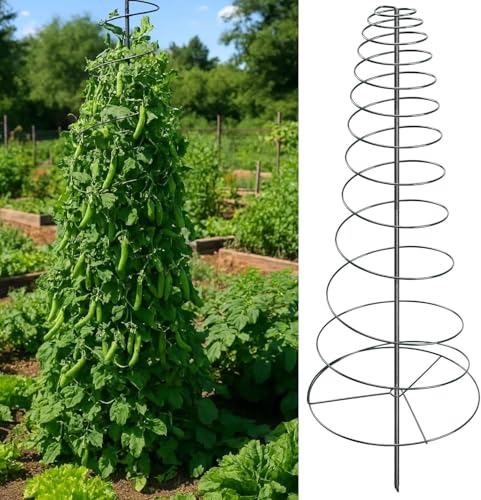
Heavy-Duty Metal Trellis: Rock-Solid Support for Climbing Plants - Made with 0.6mm thick stainless steel and a 0.63-inch reinforced center pole, this garden trellises stands firm through wind and rain. Perfect for pole beans, snap peas, tomatoes, cucumbers, and flowering vines like bougainvillea and morning glory, it provides season-long stability and prevents your plants from falling or bending.

Garden Trellis Size for Raised Beds: This 48" L x 48" H cucumber trellis for raised bed adjusts from 16" to 26" wide, fitting many 4 ft raised garden beds. Use it as a trellis for raised garden bed layouts to save ground space while guiding vines upward.

Heavy-Duty Support for Stronger Growth: Built with a reinforced 1-cm outer frame and 0.15-inch solid steel support bars, our a-frame trellis provides unmatched stability. Unlike flimsy alternatives, this trellis for climbing plants outdoor can hold heavy crops like cucumbers, beans, and tomatoes without bending or tipping over, even in strong winds
Choose the Right Trellis Type for Your Space
I’ve learned the hard way that picking the wrong trellis is like buying jeans two sizes too small—technically possible, but regrettable. Your trellis type shapes everything.
| Trellis Type | Best For | Vertical Space Use |
|---|---|---|
| Obelisk | Pots, raised beds | Dense focal point |
| Arch | Pathways, entryways | Living tunnel overhead |
| Wall | Fences, structures | Flat vertical coverage |
| A-frame | Vegetables, light vines | Dual-sided growth |
| Cattle panel | Heavy climbers | Maximum load capacity |
I mounted a wall trellis last spring. My fence bloomed for months as a result. Match your structure to your plant’s vigor. A wispy clematis needs an obelisk; rampaging wisteria demands cattle panel strength. Using weak support for vigorous plants can lead to wasted vertical space.

Perfectly adapts to every stage of plant growth-from seedlings to fruitful harvests! Our upgraded cucumber trellis can extend freely from 17 inches to 50 inches, and rotatate from 0° to 180°, providing the ideal space for cucumbers, tomatoes, peas, beans and vegetables.The A-frame design allows double-sided planting, enhancing the airflow, and sunlight for healthier, stronger growth. Perfect cucumber trellis for raised garden bed, greenhouses , gardens, patios, and vegetable fences.

✅ Adjustable Height (17" to 50") – Grow from Seedlings to Giants! Start at 17" for delicate seedlings, then effortlessly extend to 50" as your cucumbers, tomatoes, beans, or towering vines flourish! Designed to match your plants’ growth cycle, this trellis adapts to raised beds, containers, or sprawling gardens.

【Perfect Size for Raised Beds & Gardens】Total dimensions: 78.7”H × 34.84”W × 30.9”D, this black garden trellis for climbing plants provides ample vertical space for heavy climbing vines. It fits standard raised beds perfectly and can even span across two raised beds, doubling your planting space while keeping your garden tidy and productive.
Trellis Mistakes That Rot Fruit and Break Vines
How often do we build something perfect only to watch it fail? I’ve learned trellis mistakes the hard way, and you probably have too.
I once crammed vines against a fence, resulting in zero airflow and leading to mold. The fruit rotted within days. My “secure” knots were way too tight, causing stems to swell, girdle, and snap. That was a lesson learned. Cheap twine shredded in the rain, and the abraded stems invited pests.
I planted dense understory shrubs behind trellises, trapping humidity like a sauna. Walls two feet away made it worse. Now, I space posts twelve inches out, prune for gaps, and use soft ties that allow me to slip a finger underneath. Your vines need space to thrive. Providing them room to breathe will yield healthier fruit.

Package contains: 100pcs Reusable Nylon Watermelon Nets.

12-Pack Watermelon Net with 30 Zip Ties: Package includes 12 heavy duty mesh fruit bags + 30 strong straps, enough to meet your daily use, replacement needs and sharing needs.

Sufficient Quantity: the package contains 24 pieces of melon nets, packed with 24 pieces of S hanging hooks, which can satisfy your needs for daily use, replacement and sharing, suitable for garden owners; This allows for utility as you grow a healthy, thriving garden