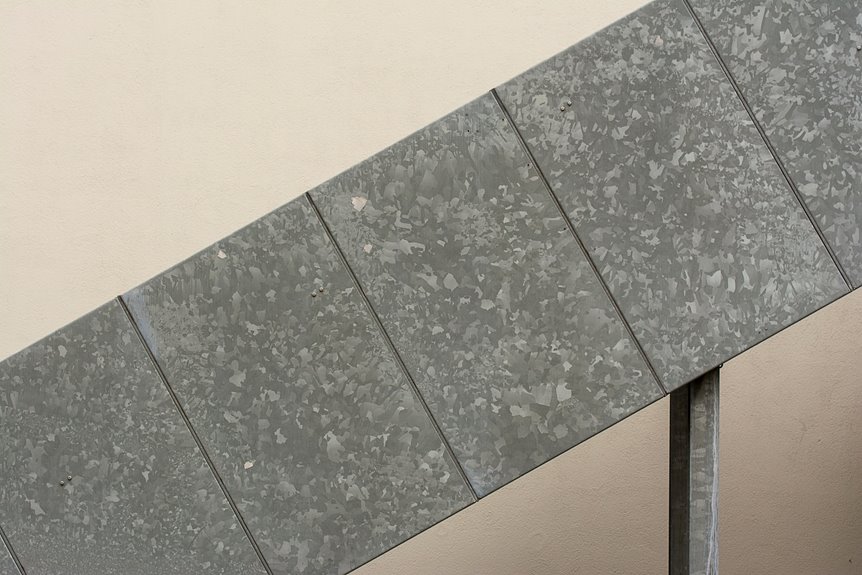
I switched to galvanized raised beds after three weekends of dealing with rotting cedar, and I’m mostly glad I did. These zinc-coated steel boxes bolt together like oversized LEGOs, last 15 to 20 years without termites or rot, and cost 30 to 40% less than lumber right now. However, you’ll need to tighten dozens of bolts; my L-shape took 56.
The narrow edges prevent you from sitting while weeding, and metal can heat soil by 10 to 15 degrees in hot climates. Here’s what else you need to know before you grab that wrench.
What Are Galvanized Raised Beds and How Do They Work?
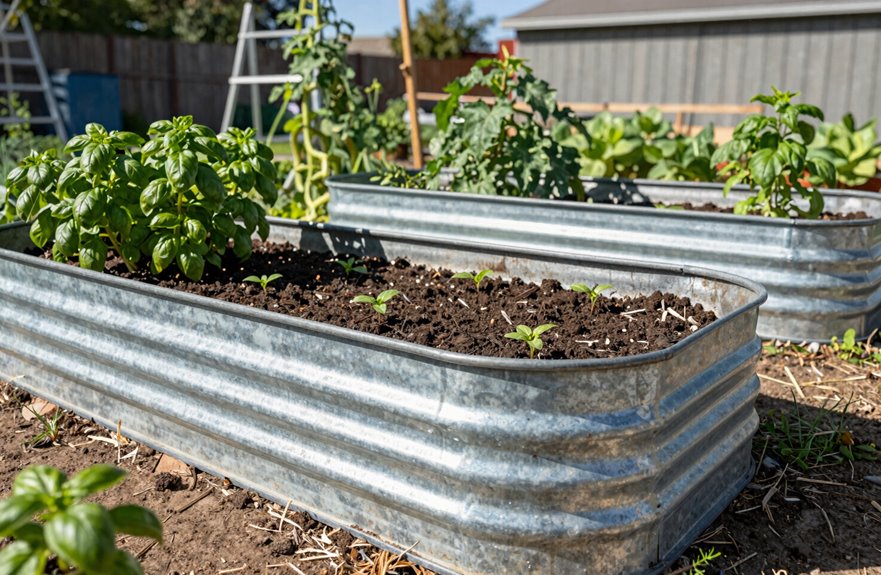
A galvanized raised bed is essentially a metal box for your soil. Galvanized refers to steel coated with zinc to prevent rust.
These metal structures come in panels that you bolt together to form squares, rectangles, or L-shapes. Most kits include a rubber edge cap for safety. They are remarkably lightweight, allowing for easy movement across your yard.
Galvanized raised beds are available in various heights, typically ranging from 12 to 24 inches. Assembly takes about an hour with a wrench. They have a sleek, modern appearance that fits well in contemporary gardens.
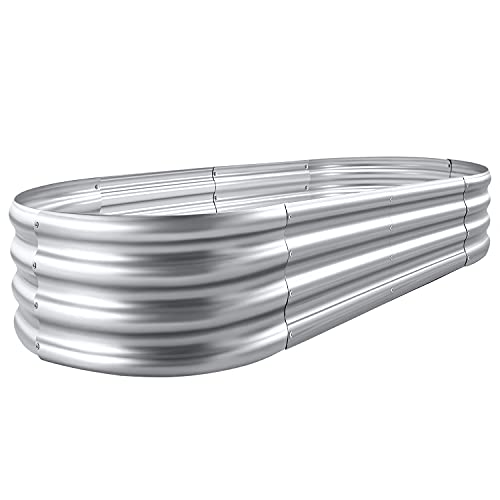
Each raised metal garden bed size: 4×2×1ft ,7.14Cu
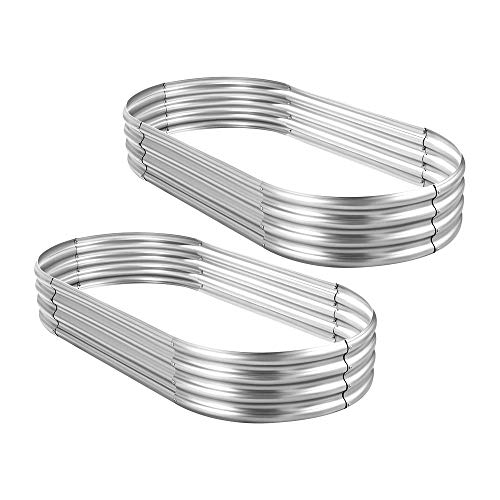
Each raised metal garden bed size: 4×2×1ft , 7Cu

Raised Garden Bed - Add a new level of convenience to your gardening experience with the Galvanized Raised Garden Bed. Enjoy expanded yield and a more assembled garden layout with this garden accessory, each sized at 120 cm X 60 cm x 30 cm.
Galvanized Raised Beds Last Longer Than Wood
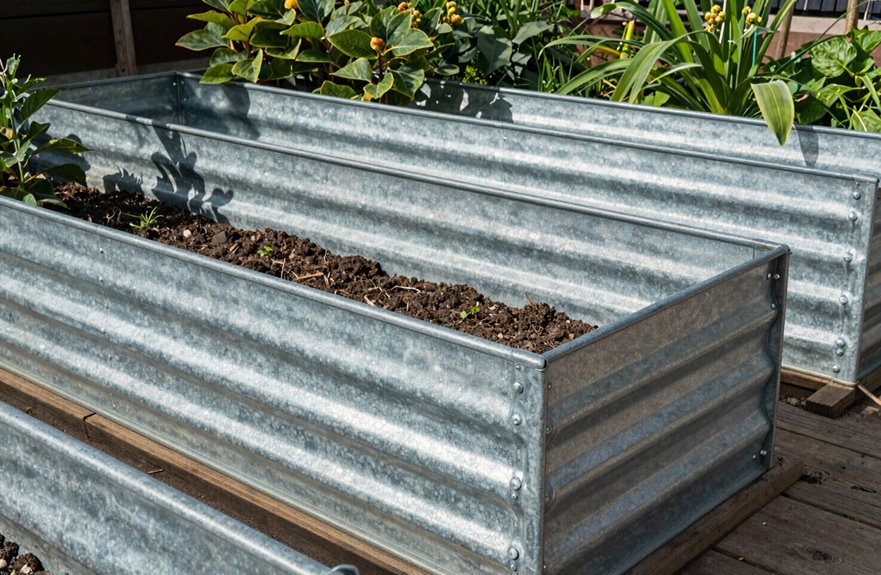
Although I’ve replaced more rotted wood beds than I care to admit, galvanized steel keeps going year after year. Galvanized beds withstand rain, snow, and blazing sun while my wooden ones turned to mush. I’ve learned from experience.
Galvanized steel keeps going year after year while my wooden ones turned to mush. I’ve learned from experience.
Here are some observations about these metal workhorses:
- They don’t rot when your neighbor’s sprinkler soaks them nightly.
- You won’t find termites in your planter.
- That zinc coating resists rust for 15-20 years minimum.
- Wet climates won’t warp them into odd shapes.
- Even when I forget to water in July heat, the structure remains solid.
Sure, you’ll need to water more on scorching days. However, managing soil moisture is preferable to rebuilding a bed every four years. My galvanized beds have outlasted two houses.

Dimension: 96in.L x48in.W is ideal planter box when gardening at home. Side panels of 0.40mm,corner panels of 0.70mm, holds up to 31 cu. ft. of soil

【 Superior Durability 】Made of 0.4mm thick zinc-coated steel with spray coating, our raised garden bed resists rust, corrosion, and deformation for 5x longer lifespan than thin competitors. Dual-folded edges ensure galvanized garden bed structural stability even in harsh weather.
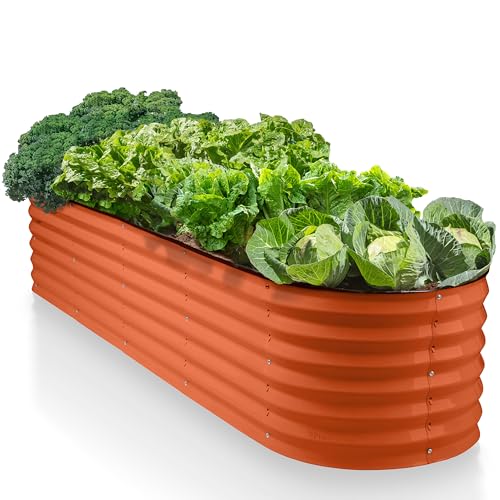
FITS SEAMLESSLY INTO YOUR LIFE- This 8x2x1.5 ft open-base modular raised garden bed has all the space you need in order to grow your dream garden! Whether you're planting your own fruits, vegetables, or flowers, it provides a safe environment for your plants to thrive. With 9 configurations to choose from, our garden beds can be customized to fit your space and style preferences. The Plant & Plot garden bed is the perfect addition to your outdoor space!
Galvanized Raised Beds Assemble Faster Than You’d Think
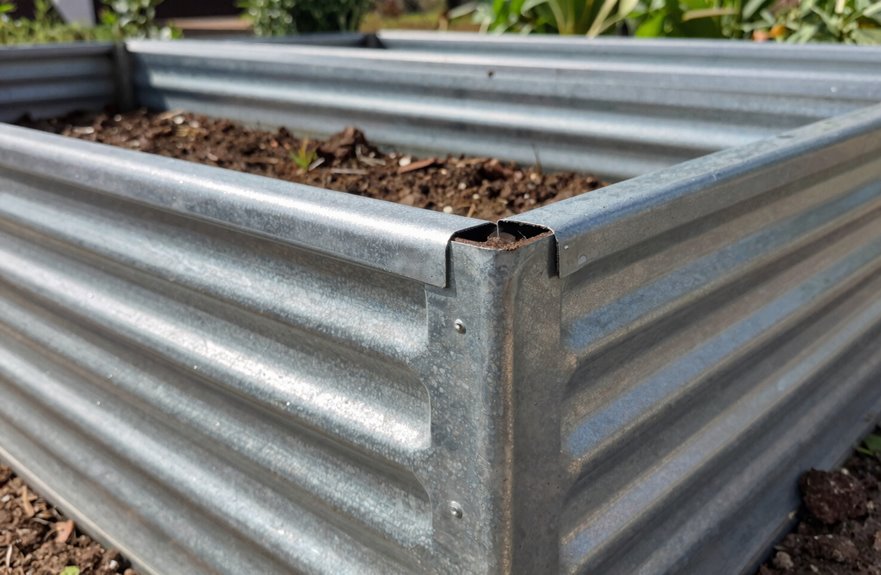
Longevity means little if I’m still frustrated in the backyard three weekends later. I’ve built wooden raised beds before, and I won’t do it again.
Galvanized beds transformed my experience. The panels lock together like oversized LEGO pieces. There’s no need for framing or leveling warped boards. I assembled my 2 x 8 foot bed, 17 inches high, in under two hours, including the safety rubber capping.
Some brands use more bolts than others. I learned that through experience. Watching an assembly video first is advisable; I didn’t, but you should.
Two different galvanized systems now sit in my yard. Both were assembled faster than my neighbor’s lumber pile even got cut. The tool requirements are straightforward, and the hardware is easy to understand.
You won’t need a woodworking degree; just patience and a free afternoon will suffice.

Large capacity: Provide enough growth space for deep-rooted plants like potatoes, tomatoes, broccoli, etc. Tall enough to keep pets away from the garden planter and give you easy access!
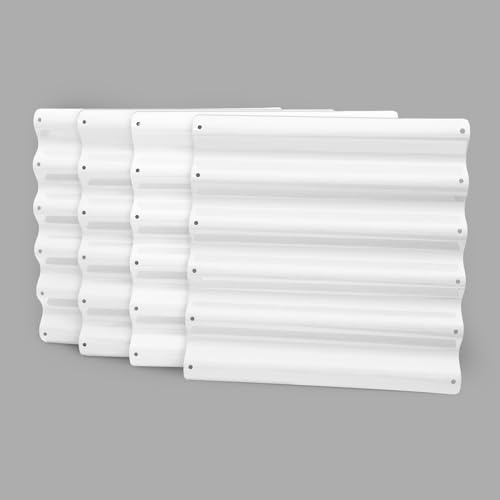
DIY Garden Bed Parts – Build Your Perfect Size, your own with our durable panels and accessories – made for passionate DIYers!

WHAT YOU BUILD: 10 galvanized panels ship in the box - 6 curved and 4 straight. All 6 curved panels bolt into one 24 in round, 12 in tall fire pit ring; the 4 straight panels are not needed for the fire pit, set them aside as spares
Why Galvanized Beds Cost Less Than Lumber Right Now
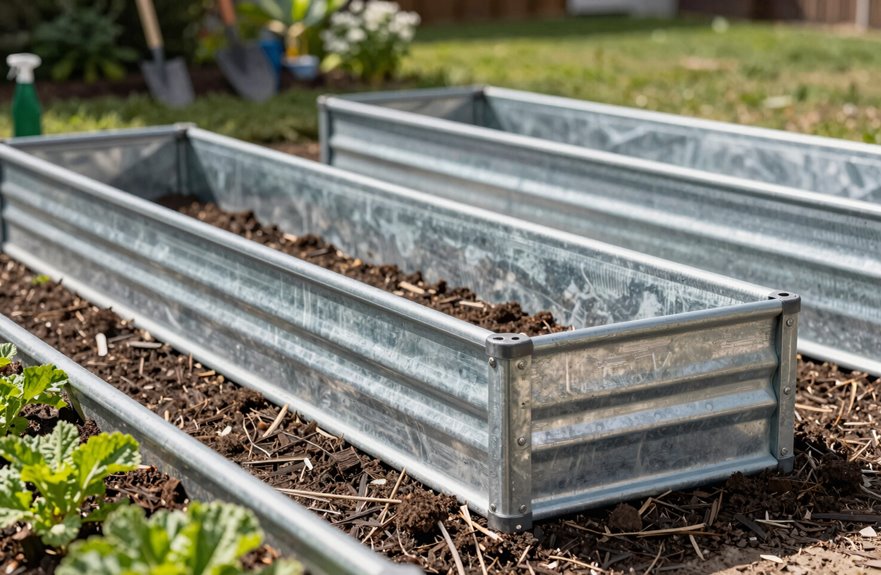
I used to assume wood was always cheaper until I priced out cedar for a 4×8 bed and nearly fainted at the register. Right now, galvanized steel kits often run 30-40% less than quality lumber, and that’s before you factor in screws, stain, and the cost of replacing rotted boards in three years. Metal prices have remained stable while wood prices have surged, meaning my wallet is finally benefiting.

Complete Set: Receive 8 bed frame covers for metal frames, perfect for protecting multiple furniture pieces in your home. Share with friends and family for added convenience.

Rubber bed frame coner guards for metal bed frame to protect angel iron

【1/8" 1/4" 3/8" 1/2" INNER DIA】 1/8" 1/4" 3/8" 1/2" Inner Dia Clear Vinyl Round End Cap Covers.
Wood Price Inflation
Why did I nearly faint at the lumber yard last spring? I needed eight-foot cedar boards for a raised bed. The price tag made me laugh, then cry. Wood prices have skyrocketed, and I’m not alone in my sticker shock.
That’s when I started considering galvanized beds seriously. Here’s what I learned since:
- Cedar jumped 40% in my area while steel stayed steady.
- My neighbor paid $340 for lumber; I paid $89 for metal.
- No more guessing if boards will cost double next month.
- I budgeted $200 and actually had cash left for soil.
- Predictable pricing allows me to plan next year’s expansion.
Galvanized beds are not just trendy; they provide a practical solution for my gardening needs.
Metal Affordability Advantage
Three numbers changed my perspective on building materials last spring: cedar hit $12 per board foot, my neighbor’s lumber bill topped $340, and I walked out with an $89 metal kit. I’m not great at math, but even I spotted the winner.
Galvanized beds cost less right now because lumber prices keep climbing while metal stays steady. You skip the custom cuts, the delivery headaches, and the trips back to the store for incorrect sizes. Those modular panels snap together in twenty minutes, eliminating the need for a contractor.
Sure, large galvanized beds can be expensive upfront. However, I learned that replacing rotted wood every three years adds up quickly. Weather-resistant metal means I’m done buying materials. My budget finally gets a break, and my tomatoes thrive regardless of their growing medium.
Move Galvanized Raised Beds Without Heavy Lifting
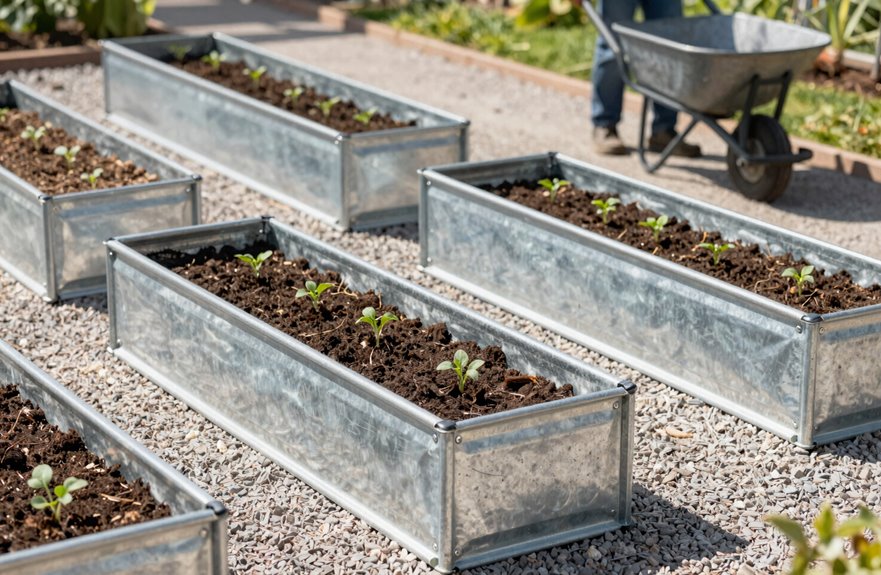
I learned the hard way that dragging 200-pound wooden boxes across my yard wasn’t sustainable; my back still reminds me every winter. Galvanized beds changed everything for me, as I can unbolt the modular panels and carry each 15-pound section separately, eliminating the need for a chiropractor. Reassembling will take about 30 minutes with a wrench, which is much easier than recruiting three neighbors and a case of beer just to shift your garden three feet east.

DURABLE CONSTRUCTION: Made from heavy-gauge galvanized steel with rust-resistant powder coating, designed for long-term outdoor use and reliable structural integrity
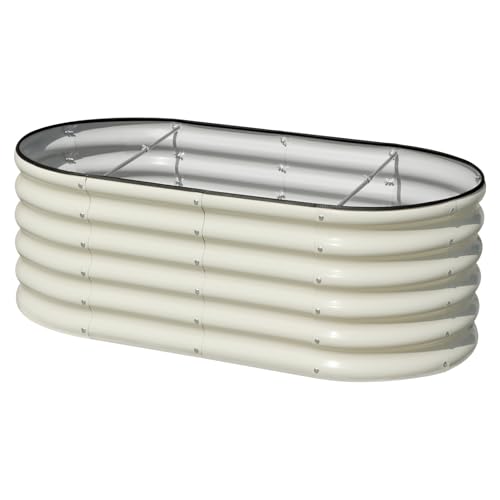
Size: The garden bed measure is 46"L x 23.6"W x 17"H. The planter box provides ample space for planting vegetables, fruits, flowers and other plants.

Portability Benefits
One of the biggest headaches I’ve had with traditional raised beds is realizing I put them in the wrong spot after filling them with 200 pounds of soil. Galvanized raised beds offer genuine portability that doesn’t require a chiropractor.
- They weigh significantly less than wooden boxes, allowing me to shift them on my own.
- The modular panels let me reconfigure shapes as my garden preferences change.
- I can break them down with basic tools and rebuild them in a different location.
- No forklift is needed; just me, my arms, and maybe some coffee first.
- The colored finishes look sharp in both sun and shade.
I’ve moved mine three times, and my back appreciates the ease of it.
Relocation Ease
Where did I plant that bed last season? I’ve asked myself this more times than I can count. That’s where relocation ease comes into play. These galvanized beds weigh significantly less than wooden structures or stone blocks. I can shift them without needing friends for help or risking injury.
The modular panels come apart with basic tools, allowing you to reconfigure layouts in minutes, not hours. I add safety rubber caps to the edges first, which I learned to do after scraping my knuckle. Compared to concrete, they’re much lighter. You can manage occasional moves easily.
I’ve relocated mine three times. Each disassembly involves many bolts. While relocation ease is beneficial, patience is essential. Still, I’d prefer tightening screws over hauling railroad ties.
The Modern Look of Galvanized Metal Beds
How does your garden look when you step back and take it all in? I swapped my splintery wooden boxes for galvanized metal beds last spring, and my yard finally reflects my style.
- Clean lines that make neighbors slow down when they walk by
- Silver-gray sheen that catches morning light beautifully
- Modular panels I snapped together in twenty minutes; no tools, no swearing
- Rubber safety edges prevent cuts, unlike corrugated tin
- Colors beyond basic silver: sage green, matte black, even terracotta
They’re lightweight enough that I rearranged them twice before settling on a layout. The weather resistance means no rot, no warping, and no need to replace boards every three years. My only regret is that I can’t perch on the slim edges to tie my shoes.

4X2X1FT GROWING SPACE: This oval raised garden bed measures 4 x 2 x 1 ft, providing 7+ cu. ft. of organized growing space for vegetables, herbs, flowers, strawberries and selected root crops. Its compact footprint fits naturally into backyards, lawns and small outdoor gardens while keeping plants easy to reach and maintain.

ULTIMATE PRACTICALITY: The planter box measures 96"(L) x 24"(W) x 12"(H), has a huge capacity, any plants and flowers you want to grow can be planted, happiness is overflowing.
Professional metal raised garden bed size: 6×3×1 ft, 15.55 cubic feet, you can grow vegetables, fruits, flowers, herbs and other plants in courtyards, yards, gardens and greenhouses.
Who Shouldn’t Buy Galvanized Raised Beds?
Maybe you’re picturing a cozy cottage garden with climbing roses and weathered picket fences. Galvanized beds won’t fit that vibe. Their sleek, industrial finish clashes with rustic charm, a lesson I learned the hard way.
You shouldn’t buy these if you want a quick weekend project. Assembly takes hours with all those bolts. I’ve spent a lot of time cursing at instruction manuals.
Skip them if you enjoy sitting on bed edges while weeding. These slim metal rims aren’t comfortable perches.
If you’re concerned about heavy metals leaching into the soil, some gardeners worry about zinc coating. While research suggests minimal risk, the concerns cannot be completely dismissed.
Finally, if you prefer warm wood tones and traditional aesthetics, these cold metal boxes will feel out of place in your garden.

Humanized Design: Our raised garden beds with their large volume design provide ample room for your plants to grow, allowing plants to spread freely. The 3ft raised design reduces bending and makes it easier to plant and tend to your plants, turning gardening into a pleasure rather than a chore.

FITS SEAMLESSLY INTO YOUR LIFE- This 4x2x1 ft open-base raised garden bed has all the space you need in order to grow your dream garden! Whether you're planting your own fruits, vegetables, or flowers, it provides a safe environment for your plants to thrive. With a wide range of sizes and styles to choose from, our garden beds can be customized to fit your space and style preferences. The Plant & Plot garden bed is the perfect addition to your outdoor space!
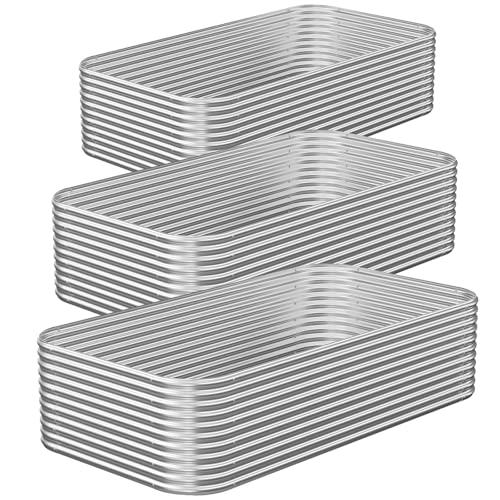
【Spacious and Versatile Design】: The CATMANOR raised garden beds outdoor provide ample growing space for a variety of vegetables, herbs, and flowers. The raised bed design maximizes planting capacity, making it an ideal solution for gardening enthusiasts who want to grow medium to deep-rooted plants such as broccoli, beans, and more.
Galvanized Beds Get Expensive for Large Gardens
Why did I think filling my entire backyard with galvanized beds was a smart idea? I didn’t do enough research on galvanized bed prices. I pictured neat rows of silver boxes, tomatoes thriving everywhere. Reality hit when I calculated costs for twenty 4×8 foot beds.
- Each panel adds up faster than you’d expect.
- Bolts, corner posts, and braces multiply the bill.
- Modular systems drain wallets at scale.
- Wood’s pricey now, but metal still stings.
- Replacement parts sneak into future budgets.
My dream garden shrank quickly. I learned that “affordable per unit” doesn’t mean “affordable for everything.” You might experience similar sticker shock. We’re all navigating this together, one overpriced bed at a time.

Practicality: Measuring 4 x 2 x 1 ft, this planter lets you grow your favorite plants and flowers, overflowing with happiness.

2FT GROWING DEPTH: 24 inches of depth holds up to 269 gallons of soil-great for medium to deep rooting plants and vegetables like broccoli, beans, and more; Note: This product does not include a bottom panel

2FT GROWING DEPTH: 24 inches of depth holds up to 269 gallons of soil-great for medium to deep rooting plants and vegetables like broccoli, beans, and more; Note: This product does not include a bottom panel
Assembly Requires Tightening Dozens of Bolts
I’ll guide you through what you’re actually signing up for when you open that galvanized bed kit—dozens of bolts waiting for your wrench. I spent forty-five minutes on my knees in the driveway tightening hardware that seemed to multiply like rabbits, and I won’t deny I may have muttered a few choice words when I dropped the hex key for the third time. The modular panels allow for various configurations, which is genuinely cool, but you’ll earn that customization through some tedious labor that the product photos don’t quite capture.
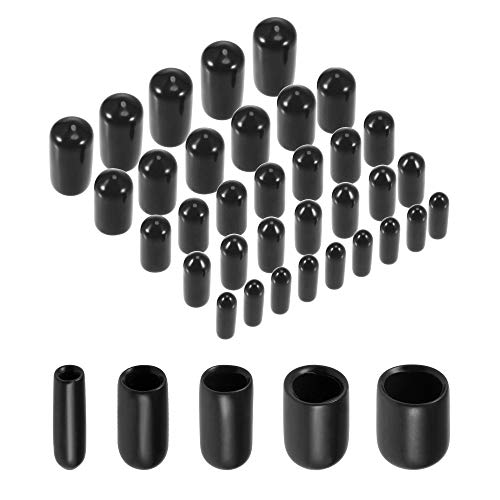
【1/8" 3/16" 1/4" 5/16" 3/8" INNER DIA】 1/8" 3/16" 1/4" 5/16" 3/8" Inner Dia Black Vinyl Round End Cap Covers

❤Package Contents: Includes 12 x Round Plastic End Caps. The quantity is sufficient for your daily use. They provide reliable protection for furniture, equipment, tools and ensure safety in a variety of environments.

From the Leaders in floor and surface protection, these fitted tips protect hard floor surfaces against scratches, hold furniture in-place when in use, and eliminate noisy movement of chairs and stools.
Bolt Quantity Challenges
Few things test my patience quite like turning bolt after bolt until my wrists ache. I’ve assembled three of these beds now, and I’m convinced my socket set and I need couples therapy.
The sheer volume of bolts hits you fast. My last 8-foot run needed forty-seven of them. Forty-seven. My fingers felt like they’d done a full day at the gym.
What I’ve learned the hard way:
- You’ll misplace your 10mm wrench at least twice per bed.
- Your “quick afternoon project” becomes a weekend saga.
- Larger setups multiply the bolt count exponentially.
- Hand-tightening leads to regret when soil settles.
- That one crooked bolt haunts you forever.
Once those bolts are snug, the frame doesn’t budge. The panels stay true. Water stays put. My wrists recover eventually.
Time Investment Reality
That socket set and I eventually found common ground, but the real lesson was about time. Assembly time sneaks up on you. Those dozens of bolts don’t tighten themselves, and my first bed took nearly three hours. The video helped, but pausing, aligning, and re-aligning adds up.
| Bed Size | Bolt Count | My Assembly Time |
|---|---|---|
| 4×4 ft | 24 bolts | 2 hours |
| 4×8 ft | 40 bolts | 3.5 hours |
| L-shaped | 56+ bolts | 5 hours |
Larger configurations increase the workload quickly. I learned to torque properly; wobbly corners taught me that lesson. Multiple fasteners per panel mean more chances to misalign, so I work slowly now. We’re in this together, figuring out the rhythm. Your Saturday afternoon is dedicated to the bolts.
Assembly Frustration Factors
Why does something so simple feel like such a workout? I spent my Saturday tightening what felt like a million bolts during assembly. My wrists ached. My patience thinned. Yet I couldn’t stop; half-built beds look ridiculous in your yard.
The process isn’t hard, just tedious. You’re securing panels with dozens of bolts to get your desired shape. I misaligned mine twice. The edge caps added extra steps I didn’t anticipate.
Here’s what I learned:
- Count your bolts before starting so you don’t hunt for strays.
- Watch the assembly video first; it saves twenty minutes.
- Line up panels on flat ground or you’ll fight gravity.
- Don’t overtighten early; you’ll need wiggle room later.
- Grab a friend unless you enjoy talking to yourself.
Was it worth it? Absolutely. Was it fast? Not even close.
The Industrial Style Clashes With Rustic Gardens
How do you feel when sleek metal contrasts with your cozy wood-and-stone retreat? Galvanized raised beds introduce a modern, industrial edge with their shiny silver surfaces and clean lines. They can feel cold against the weathered wood trellises and aged stone paths you’ve carefully curated.
The slim edges don’t invite lingering like a chunky wooden rail would. I’ve noticed the metal heats up slightly in direct sun, which isn’t the gentle warmth we seek in our sanctuary spaces.
You can bridge this gap. I tuck mine beside rough-hewn benches and let trailing nasturtiums soften those hard lines. The contrast works when you lean into it intentionally. Your garden can welcome both worlds without losing its essence.

ADJUSTABLE BED SUPPORT LEGS: the height of this bed legs can be adjusted with the swivel base to select the right height to suit uneven floors; The unadjusted original height is 10 inch (25 cm), maximum total height can be adjusted to 17 inch (43 cm); Please check the size information before you buy to make sure the size is exactly what you need

Modular Design: Vego Garden raised bed kits feature an innovative modular design, which means you can assemble a kit into various configurations that fit any backyard or garden space in a 9-in-1 kit, you can build one of 9 possible configurations to fit your garden plans

Materials and Construction: The raised garden bed kit is constructed with sturdy metal 0.8mm thick, providing a reliable framework for your garden. The oval-shaped design adds a unique aesthetic,and the 17" height provides ample depth for plants
Narrow Edges Won’t Support Sitting or Leaning
The industrial look isn’t the only factor that keeps these beds at arm’s length. I’ve learned that narrow edges are not suitable for sitting. The slim metal lip, usually just an inch or two wide, prioritizes edge safety caps over comfort. Mid-planting coffee breaks perched on the corner are not an option.
- My backside still remembers the wobble.
- Wooden beds are more forgiving; metal isn’t.
- You’ll need a real bench nearby.
- Kneeling requires separate padding.
- Plan your layout for human bodies, not just plants.
I tried leaning once. The caps keep things safe, but they won’t support your weight. Factor this into your garden design to ensure you have a comfortable place to rest.
Galvanized Beds Can Overheat Soil in Hot Climates
Where I garden, summer turns my raised beds into something closer to slow cookers than planters. With galvanized steel, this effect becomes apparent.
Metal conducts heat effectively. The edges of my beds reach temperatures that make the heated soil radiate upward. I’ve measured soil temperatures 10 to 15 degrees higher in my galvanized corners compared to my wooden boxes. Interior soil warms quickly and retains heat. My plants experience stress, and I’ve lost more than one crop due to this.
The metal also heats nearby air, creating unusual microclimates that confuse neighboring plants. I’ve seen tomatoes wilt while lettuce bolts prematurely in the same bed.
I now water more during peak heat. I also mulch heavily, using about three inches of straw. Shade cloth is beneficial as well. These strategies are essential; otherwise, gardening can feel like cooking in a skillet. Learning from experience can help others avoid similar mistakes.