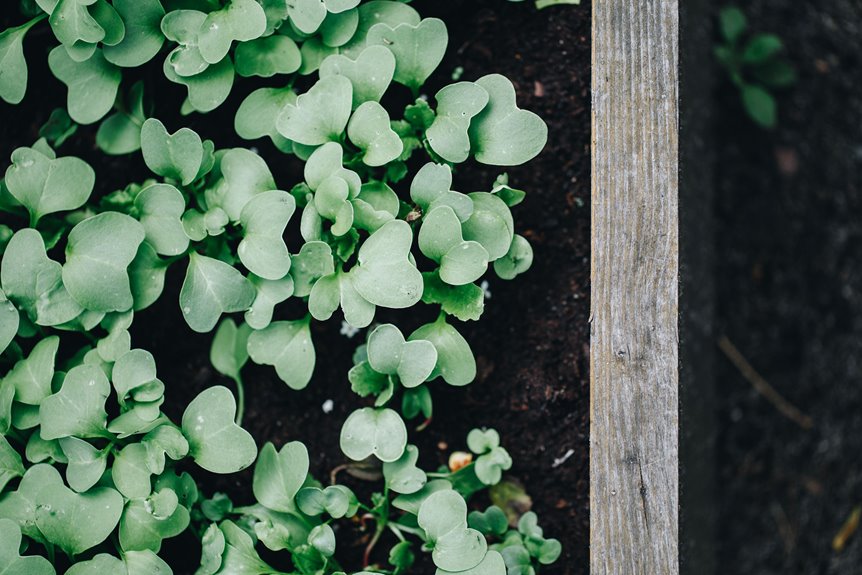
I’ve learned that potting mix and raised bed soil serve different purposes. Potting mix remains light and fluffy with perlite or vermiculite, draining quickly in containers so roots don’t drown. I lost an entire flat of tomatoes by using dense garden soil in five-gallon buckets.
Raised bed soil contains more organic matter and retains moisture for 2–3 days longer. It can last for years with compost top-dressing, whereas potting mix collapses after one season. You’ll need to fertilize containers more frequently since they are sealed systems, while raised beds develop living soil networks. Mixing them can lead to compaction or nutrient deficiencies, so it’s important to check those labels carefully. Understanding how to maintain both throughout the summer is crucial for successful gardening.
Choose the Right Soil for Your Setup: Pots vs. Raised Beds
How do I know which soil to grab when I’m staring at two nearly identical bags at the garden center? I’ve learned the hard way that containers versus raised beds demands different approaches.
Choosing between two nearly identical bags at the garden center? Containers and raised beds demand completely different soil approaches.
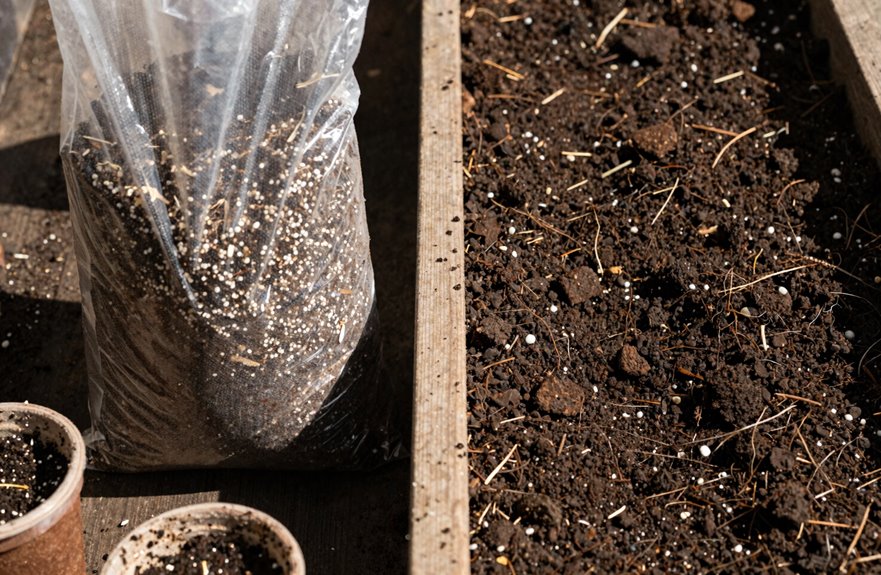
For my potted tomatoes and herbs, I choose potting mix. It is lightweight, provides excellent aeration, and retains moisture without drowning roots. Perlite helps keep the mix fluffy, making it easier to handle.
Raised bed soil is denser. I use it for my 4×8 vegetable boxes where roots need room to grow. It contains more organic matter upfront, but I learned that soil amendments are necessary by midsummer. Poultry meal and kelp meal will not last indefinitely.
I’ve grabbed the wrong bag before. Now I check labels carefully. Your plants will show signs if the wrong choice has been made, usually by looking unhealthy.

INDOOR GROWING: Growing indoors is easy under the right conditions; Miracle-Gro Houseplant Potting Mix is an indoor plant potting soil that combines key elements container plants need to thrive
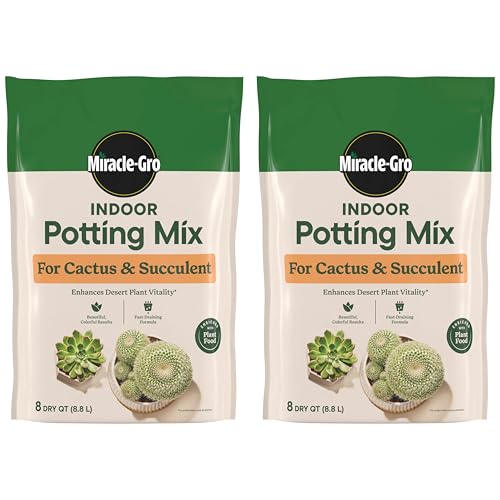
Miracle-Gro Indoor Potting Mix for Cactus and Succulent is enriched with Miracle-Gro Plant Food and enhances desert plant vitality (vs unfed plants when used as directed)

Organic Perlite Soil Conditioner: 120-quart organic perlite provides a clean, sterile, pH-neutral mineral medium for soil conditioning, supporting improved drainage and aeration
Water Drainage in Pots vs. Moisture in Raised Beds
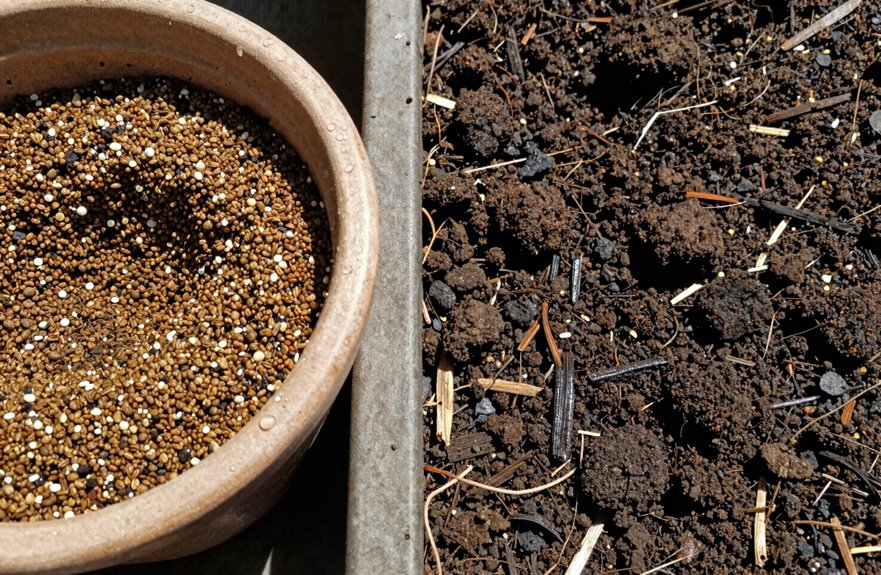
I used to think water would just sort itself out. I learned that water management depends entirely on your setup. Potting mix provides a light, fluffy soil texture with built-in aeration from perlite and vermiculite. It drains quickly in pots. Raised bed soil retains moisture longer due to its larger volume and greater organic matter.
Here’s how they compare:
| Feature | Potting Mix | Raised Bed Soil |
|---|---|---|
| Drainage | Rapid, prevents root rot | Moderate, slower drying |
| Moisture retention | Frequent watering needed | Holds water 2-3 days longer |
| Aeration | High from perlite/vermiculite | Varies, may need amendments |
I lost my first tomatoes by drowning them in compacted raised bed soil. Now I check drainage before planting anything. It’s essential to understand how your soil interacts with water.

100% Organic & Peat-Free: Our compost mix is 100% organic & peat-free. Peat is one of Mother Nature’s most important stores of carbon. Instead of imported peat, the base of our soils is made from upcycled plant matter or wood fines from the United States!

Provide moisture-holding capacity to sandy soils. Black Kow cow manure holds water and nutrients in the soil around the roots. The roots can use the water and nutrients when needed instead of letting the nutrients leach through the soil

Ready-to-Use Formula: No mixing or extra steps required. Simply pour and plant - perfect for gardeners of all experience levels.
Do You Need to Fertilize More Often With Potting Mix?
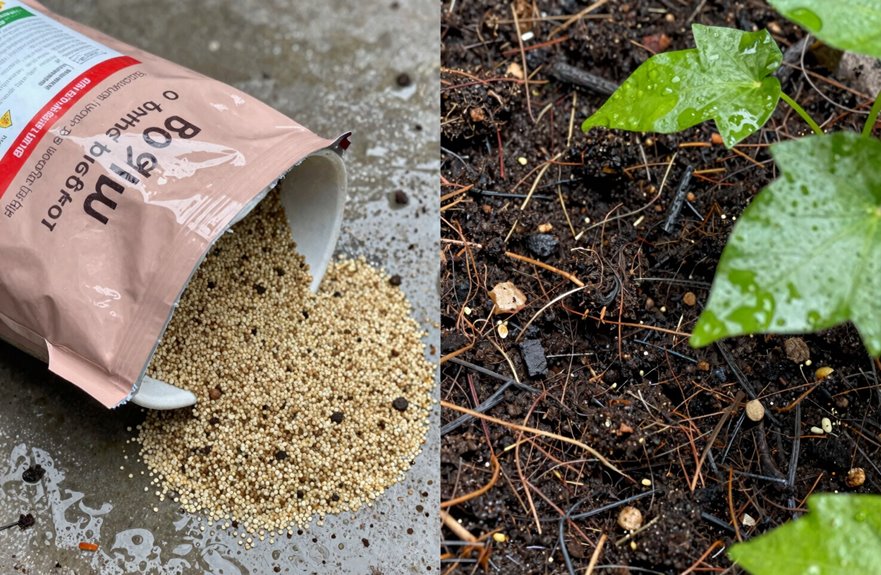
Why does potting mix seem to run out of steam so quickly? Potting mix acts like a sealed lunchbox; everything your plant needs is present from day one, but once those nutrients are depleted, they’re gone. There’s no backup plan or underground network for plants to draw from.
Raised bed soil operates differently. It’s alive, interconnected, and eager for collaboration. I add organic fertilizer every few weeks—fish emulsion, kelp meal, or whatever my tomatoes need. Fertilizing in raised beds feels more like seasoning a soup rather than performing emergency CPR.
My current approach is this: potting mix provides an initial boost, while raised bed soil continues to support growth over time. If you skip soil amendments in containers, you’ll likely see plant growth stagnate by midsummer. I’ve experienced this, and it can be quite disappointing.

Gentle Nutrient Formula (1-0.1-2): Provides slow-release nitrogen and potassium without burning plants.

100% Natural Kelp Meal Fertilizer - Kelp Bliss is a 100% natural garden fertilizer and soil amendment for plants that’s been sustainably harvested from sea kelp fresh from the ocean. Kelp meal fertilizer provides essential minerals, vitamins, and trace elements that improve nutrient uptake and encourage soil fertility in indoor plants and outdoor plants.

100% Natural Kelp Meal Fertilizer - Kelp Bliss is a 100% natural garden fertilizer and soil amendment for plants that’s been sustainably harvested from sea kelp fresh from the ocean. Kelp meal fertilizer provides essential minerals, vitamins, and trace elements that improve nutrient uptake and encourage soil fertility in indoor plants and outdoor plants.
When Potting Mix and Raised Bed Soil Are Not Interchangeable
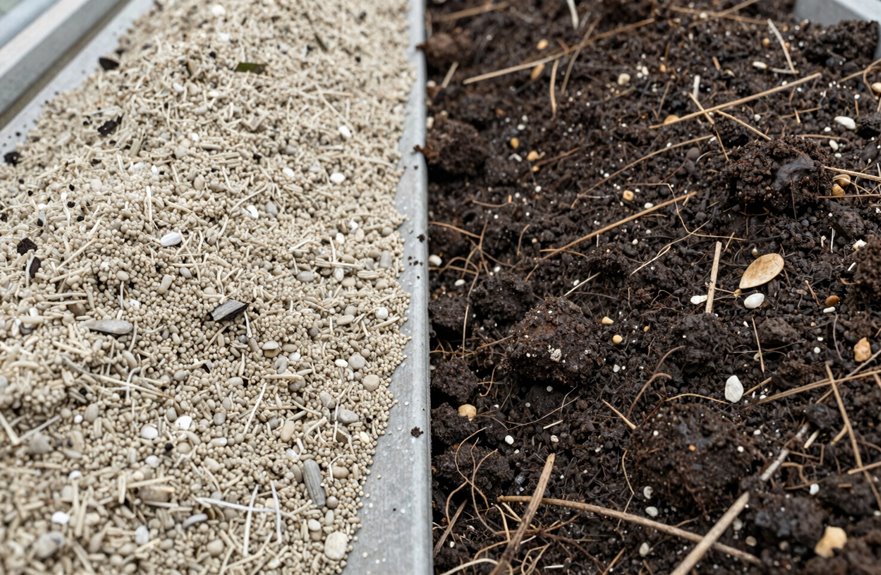
Where do potting mix and raised bed soil differ? I learned this through experience; swapping them can lead to problems.
In the container versus garden bed debate, context is crucial. Potting mix provides drainage and aeration through perlite and vermiculite, keeping roots healthy in small spaces. Raised bed soil enhances soil fertility and organic nutrients for plots that integrate with native ground. They are not interchangeable; I once used raised bed soil in a pot, and my seedlings drowned. The heavy mix compacted, leading to failure.
Potting mix remains light and often sterile for indoor starts. Raised bed soil supports biological activity—earthworms, compost, and other living organisms. Mixing them can result in poor drainage or malnourished plants. Always check the labels. Your tomatoes will benefit from the right choice.

ALL-NATURAL MIX: Burpee Organic Premium Potting Mix is formulated with plant food & coconut coir to promote seed & root growth and healthy flower, vegetable & herb plants. OMRI Listed for organic use.

FEEDS UP TO 6 MONTHS: Miracle-Gro Potting Mix is a gardening soil for outdoor containers that feeds all types of potted plants, including flowers, vegetables, shrubs, annuals, and perennials for up to 6 months

🍅【Nutrient-rich formula】Our potting soil is specially formulated to provide a balanced blend of essential nutrients that vegetables need for healthy growth and development. It supports robust plant growth, vibrant foliage, and abundant yields.
Replacement Costs: Why Raised Bed Soil Lasts Longer
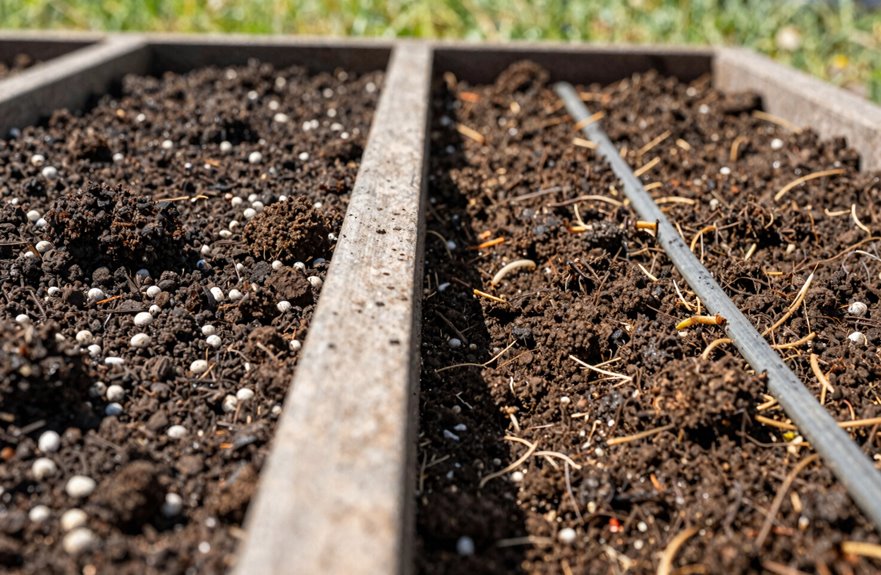
My wallet learned this lesson the hard way. I used to dump fresh potting mix into containers every spring, and the costs added up quickly. Then I discovered raised bed soil, and the durability changed everything.
Here are the reasons I’m sticking with it:
- Raised bed soil contains richer organic amendments—poultry meal, kelp meal, and worm castings—that break down slowly, providing nutrients for seasons.
- Potting mix collapses after one growing cycle. I’ve measured it: six inches shrinks to four. It’s frustrating.
- Adding compost and worm castings each fall keeps my beds fertile. Top-dressing prevents compaction.
My replacement costs dropped considerably. The long-lasting structure means less hauling, reduced spending, and increased growing efficiency. You’ll appreciate the benefits for your back and budget.


【Premium Fabric Construction】 Made from ultra-durable nonwoven material, our grow bags 5 gallon deliver balanced breathability and root aeration — perfect for tomato grow bags, strawberry grow bags, and vegetable grow bags in home gardens or outdoor raised beds.

100% MADE IN USA Instant raised garden bed for all plants READY TO GO OUT OF THE BOX no assembly