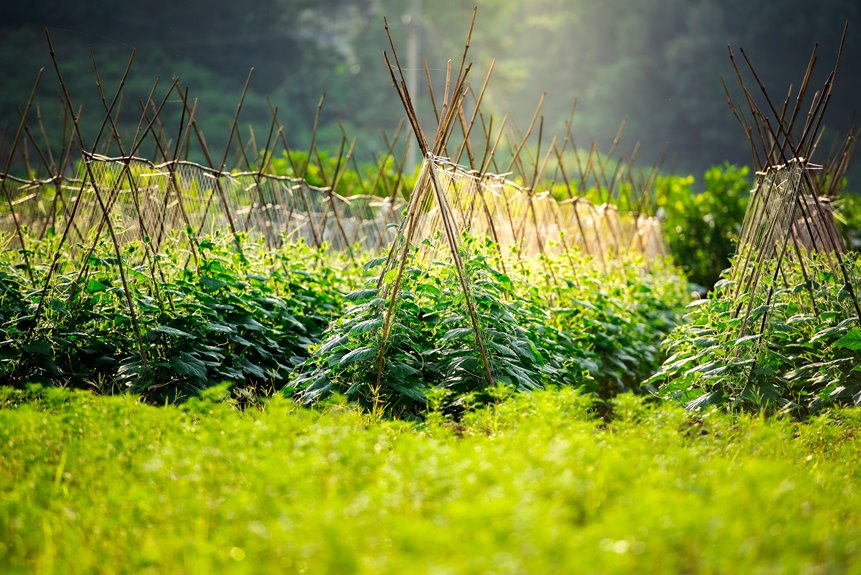
Cherry tomatoes won’t climb on their own; they need your hands and some strategy. Indeterminate varieties can grow past eight feet until frost kills them, while determinate types reach about three to four feet. I use six-to-eight-foot trellises for the taller varieties and weave vines through Florida twine or clip them to vertical strings weekly. Without support, you’ll end up searching for tomatoes on the ground come August. The right method keeps fruit clean and makes harvesting easier.
How Cherry Tomato Vines Climb
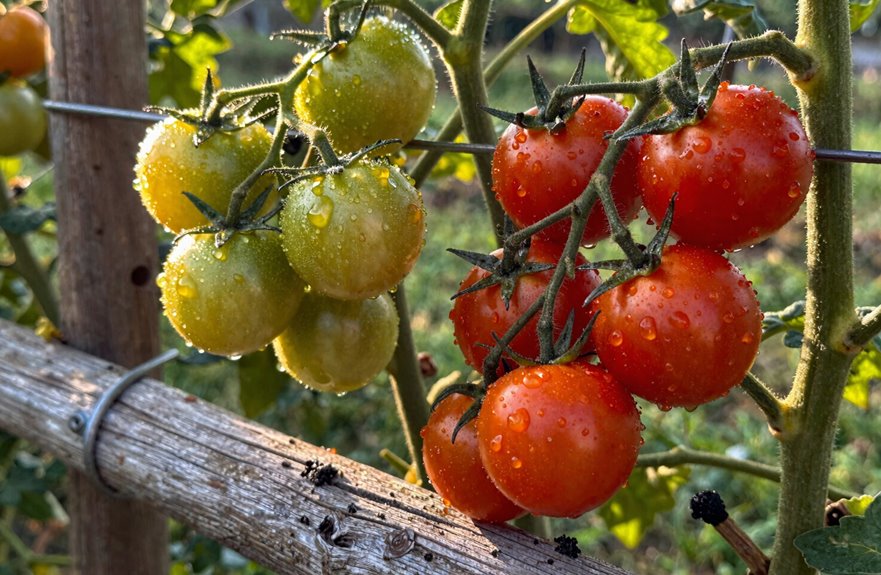
Curious about how those tiny cherry tomatoes can grow six feet high without legs? They’re the overachievers of the vegetable world.
Cherry tomatoes: the overachievers of the vegetable world, reaching six feet without a single leg.
Indeterminate tomatoes keep climbing until frost ends their journey. Without a solid trellis system, you’ll have a jungle on your hands by July.
These vines twist and twine around anything they touch. I guide mine upward using soft ties or clips every foot or so. The Florida weave is effective; just use stakes and twine woven like a basket. Alternatively, the single-stem method involves pinching suckers and training one leader upward. Hanging strings from overhead wires allows your plants to move freely as fruit clusters develop.
Vertical growth is more productive than horizontal expansion.

Beautiful - Large full-color packet of Large Red Cherry Tomato (Solanum lycopersicum) seeds. 19th century heirloom indeterminate variety with abundant yields of sweet and juicy silver-dollar- sized red cherry tomatoes that grow in clusters. Vigorous vines require a trellis for best production. Excellent salad tomato. Minimum of 100 mg per packet (about 45 seeds).

Premium Cherry Tomato Seeds: Authentic Open-Pollinated Premium Heirloom Seeds (USA) Non-GMO, Untreated, High Germination Rate. High-growing variety for open ground, greenhouses, patio containers, and urban farming. Explosive berry flavor. Cascades of glossy ruby clusters. Prolonged fruiting cycle.
Determinate vs. Indeterminate: Matching Trellis Type to Growth Habit
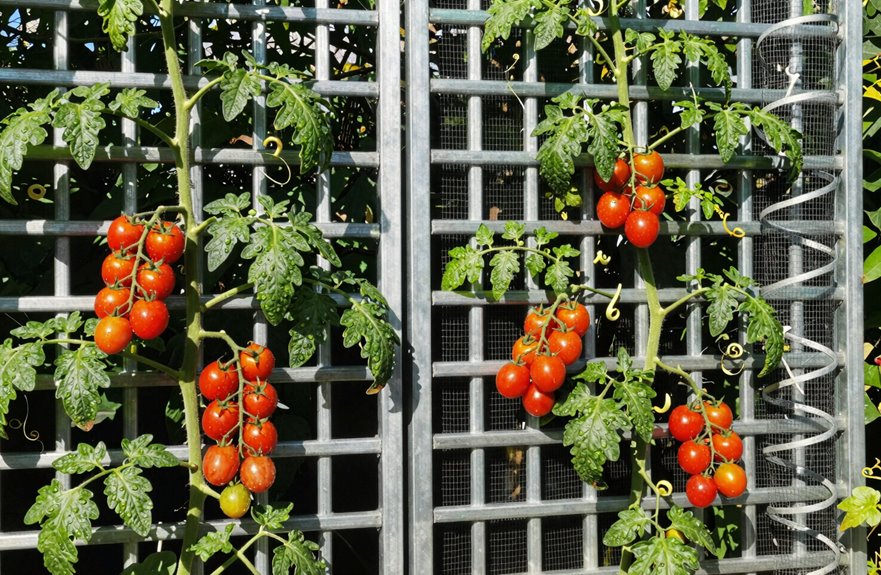
I used to think all cherry tomatoes were the same until I planted a 6-foot indeterminate vine that toppled its flimsy cage by August. Determinate varieties stop growing at 3-4 feet and do fine with basic staking. However, indeterminate varieties continue to climb until frost hits, so you will need a trellis that is at least 6-8 feet tall. It is important to match your support to the growth habit to avoid dealing with unruly vines.

[DURABLE AND STURDY] Crafted from robust hollow steel, this garden stakes features a fade-resistant green plastic coating, offering reliable protection against wind, rain, and rust. With anti-slip ridges, it's easy to tie on plant ties, aiding in plant climbing. the pointed bottom design of tomato stakes enables effortless soil insertion, ensuring a secure anchoring effect with minimal effort

【DIY Kit】 This kit contains 15 pcs plant stakes with 13.7" in length and 0.3" in diameter, 8 pcs connectors, 8 pcs rotatable clips, 8pcs pointed rubber cap, 8pcs top caps,25 pcstwist tie, Great for your garden DIY
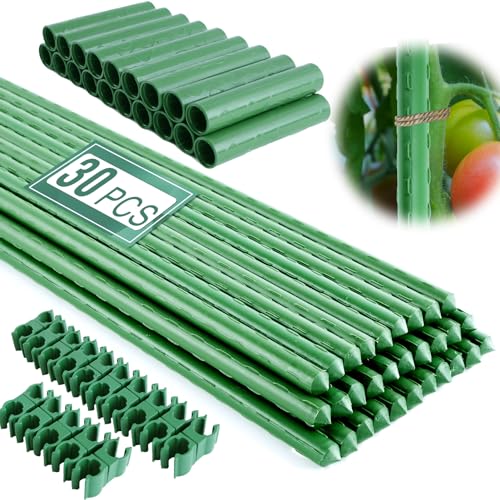
[DURABLE AND STURDY] Crafted from robust hollow steel, this garden stakes features a fade-resistant green plastic coating, offering reliable protection against wind, rain, and rust. With anti-slip ridges, it's easy to tie on plant ties, aiding in plant climbing. the pointed bottom design of tomato stakes enables effortless soil insertion, ensuring a secure anchoring effect with minimal effort
Growth Habit Differences
Why does trellis choice matter so much? My indeterminate cherry tomatoes once outgrew a flimsy cage and collapsed into a tangled mess. Indeterminate varieties keep climbing, sometimes reaching over eight feet, so they need a sturdy trellis with adequate room to grow. Determinate types top out around three to four feet and can be supported with lighter options. I use basketweave systems for my bushy determinates since they remain manageable. However, my indeterminate vines require tall stakes or hanging strings and constant attention. I tie and prune them regularly, or they risk breaking under their own weight. Matching your support to the growth habit will prevent the challenges I faced.
Trellis Height Needs
How tall should your trellis actually be? I learned this when my indeterminate tomatoes hit six feet and kept going, flopping over like tired marathoners.
Trellis height is important. Determinate cherry tomatoes stay manageable—think four to six feet max—so shorter supports or Florida weave work fine. I’ve used simple cages for these compact growers without any issues.
Indeterminate tomatoes are the overachievers of the garden world. They’ll climb eight feet or more if you let them. I now use eight-foot stakes minimum, sometimes taller. Cattle panels work well too, though you’ll spend more time tying and pruning.
Match your setup to your plant’s needs. Getting it wrong leads to awkward harvesting and fruit dragging on the ground.
Support Intensity Levels
Height is only part of the equation; it’s essential to match your trellis to how hard the plant actually works.
Determinate varieties remain manageable at 3 to 4 feet. I have used the Florida weave on these bushy types with decent results. It’s inexpensive and effective.
Indeterminate tomatoes require a different approach. These vines continue to grow and produce fruit until frost ends their season. I learned this when my 4-foot cage collapsed under a loaded indeterminate cherry tomato in July. Now, I use tall stake-and-string systems or sturdy cattle panels for indeterminate varieties. The trellis system must support vertical growth as well as heavy fruit loads.
For mixed plantings, I group determinates with lighter supports and provide indeterminates with more robust options. Underestimating the difference can lead to challenges.
Round Cages: When They Work (and When They Collapse)
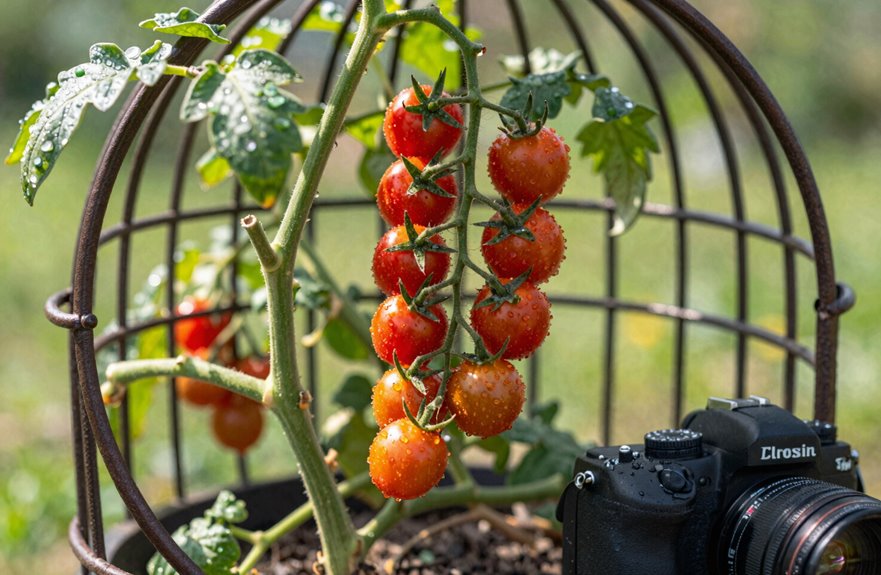
Where did I go wrong with my first tomato cage? I bought the cheapest round cages at the hardware store. Three weeks later, my cherry tomatoes had bent them into sad, rusty arches. I learned that trellising with flimsy round cages only works if you know their limits.
| What Works | What Fails |
|---|---|
| Determinate Roma varieties | Indeterminate vining monsters |
| Cherry tomatoes (light fruit) | Beefsteaks weighing 1+ pounds |
| Plants under 4 feet tall | Growth spilling 6 feet everywhere |
| Occasional tying and pruning | “Set it and forget it” gardening |
Now I pair my round cages with extra stakes and twine. They serve as quick-start training wheels, not a long-term solution. For heavy yields, I reinforce or replace them.
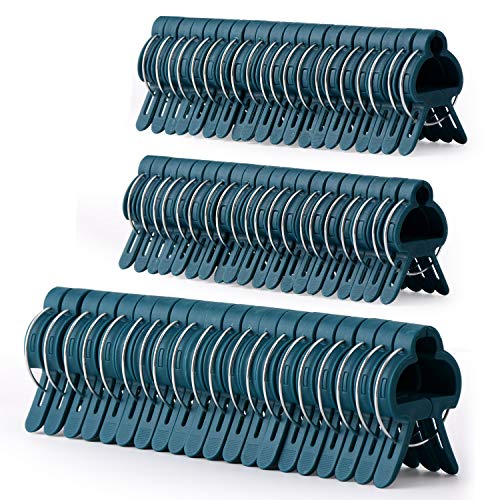
【Great Value Pack】The package contains 20 large plant clips and 40 small plant clips to meet different needs for all your plant hanging needs. Large Clip: 1.77 x 2.36"; Small Clip: 1.57 x 1.18".

Material: Made of plastic high quality,. It can provide support and fixation for plants without harming your plants. At the same time, it can ensure that the plants are neat and beautiful.
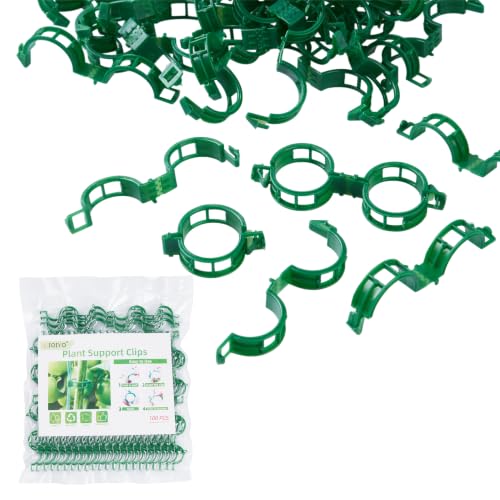
Durable Material: Made from high - quality, long - lasting plastic, these plant support clips are designed to withstand various weather conditions and the test of time, ensuring they can support your plants season after season.
Florida Weave: Low-Cost Staking for Compact Rows
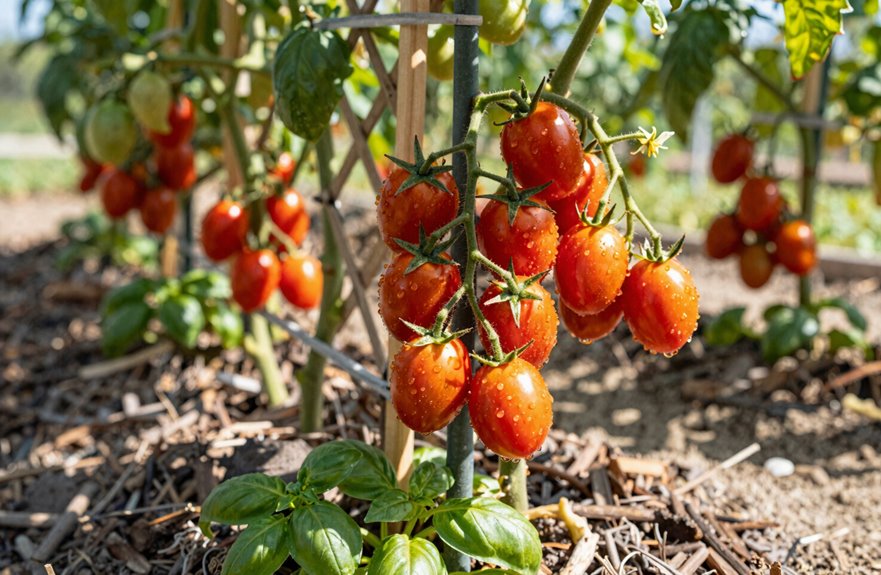
Why spend a fortune on fancy cages when a little twine and some stakes get the job done? I discovered Florida Weave three seasons ago after my cheap wire cages collapsed under their own rust. Now I’m hooked. You drive stakes every ten feet and weave twine in a figure-8 pattern along both sides of your cherry tomatoes. The plants nestle right in, fruit remains at picking height, and your back appreciates it.
Among trellising systems, this one is the budget champion. Determinate varieties thrive with it; indeterminate types need taller stakes or they’ll escape, as I let my Sungolds do last June. Airflow can suffer if you’re lax about pruning, and I admit I’ve been lazy. For compact rows, it is an efficient solution.

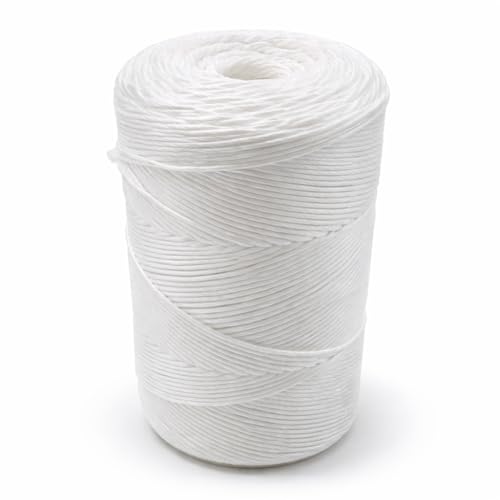
Good for Trellising Tomatoes Climbing Plants: each roll contains 6150 feet (approx. 3.3 lbs) of strong white garden twine, ideal for supporting tomato plants, cucumbers, beans, and other vining crops; This durable garden twine is perfect for building sturdy Florida weave trellises or tying vines securely throughout the growing season

Sturdy Support - This heavy-duty twine is built to last, with a tensile strength of 59 lbs. This durable polypropylene twine can handle the weight of your heaviest fruits and vegetables throughout the growing season. It provides reliable support as a tomato string for your garden.

Yarlung value pack 24 pcs tomato roller hooks, 49.2 feet/15 m high-strength white twine per reel, and 240 reusable plant support clips. Everything you need to support climbing plants neatly and efficiently
String Trellis Method: Training Vines Up Vertical Lines
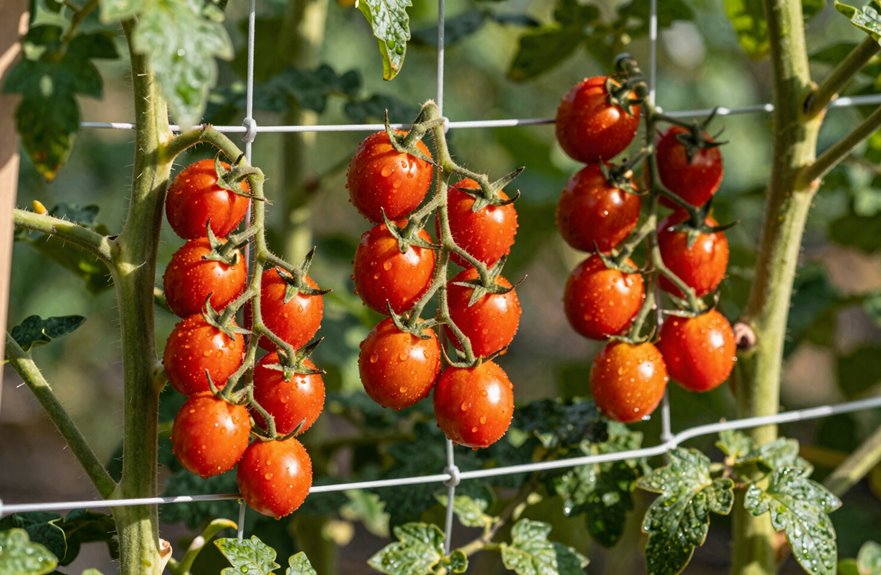
Commercial growers manage to fit so many tomatoes into tight greenhouse rows using the string trellis method. It’s an effective approach.
Commercial growers maximize space in tight greenhouse rows with the string trellis method—an effective approach worth considering.
I started trellising tomatoes this way last season after my sprawling vines created chaos. The process involves anchoring vertical strings to tall supports, ideally 7 to 8 feet high. I loosely tie each plant’s base and wind new growth clockwise around the string weekly. Be careful not to tie it too tightly, as I learned the hard way with my first Cherokee Purple.
Regular adjustments keep the strings taut. Indeterminate varieties thrive in this setup, climbing indefinitely. Airflow improves significantly since the foliage is elevated above damp soil. My cherry tomatoes now hang in neat vertical rows, making them easy to spot and pick.
Consider adopting the string trellis method for your tomatoes; it can enhance your gardening experience.

Package Included:Come with 20 pcs tomato roller hooks with 50 ft twines and 100 pcs 5.9 inch green zip ties,enough to meet your daily planting use

High Quality and Durability: Crafted from corrosion-resistant iron and wear-resistant rope, our tomato roller hook boasts excellent resistance to aging, high temperatures, and corrosion. Unaffected by harsh outdoor conditions, it remains rust-free and maintains its shape even after prolonged use. This ensures long-lasting and stable support for tomato plants, making it suitable for both indoor and outdoor applications

【Lightweight Material】High quality plastic artificial mini tomato, fashionable, and fine craftsmanship. Artificial fruit tomatoes look off decorations can add a natural atmosphere to your home decoration. Tomato string decor is super lightweight so it's easy to hang
Cattle Panel Trellis: The Sturdiest Setup for Heavy Yields
How do you prevent a tomato plant loaded with fruit from collapsing? Flimsy cages often fail when you need them most. That’s why I rely on cattle panels as my trellis of choice.
I anchor these sturdy wire grids with 6-foot T-posts spaced six feet apart, securing them with zip ties at multiple points. My initial attempt was a lesson learned; the panel wobbled because it was too loose. Now, I use thin bungee cords to guide young vines upward, rotating stems to utilize every inch of vertical space.
While the upfront cost is higher, I’ve stopped replacing broken cages yearly, and my garden looks well-organized. Investing in solid solutions pays off for growers who want reliable results.


Self-Watering Convenience: Each planter has a built-in water reservoir that delivers consistent moisture to roots for up to a week, reducing frequent watering. Ideal for busy gardeners and vacations, it helps maintain healthy plants.

Beautiful - Large full-color packet of Large Red Cherry Tomato (Solanum lycopersicum) seeds. 19th century heirloom indeterminate variety with abundant yields of sweet and juicy silver-dollar- sized red cherry tomatoes that grow in clusters. Vigorous vines require a trellis for best production. Excellent salad tomato. Minimum of 100 mg per packet (about 45 seeds).
Netting and Mesh: Managing Bushy Cherry Tomato Growth
I learned the hard way that bushy cherry tomatoes don’t always adapt well to rigid trellises. My plants would flop over, and I spent weekends wrestling vines back into place. Then I discovered vertical netting.
Hortonova mesh transformed my approach. The square grid allows cherry tomatoes to weave themselves in as they grow, without forcing. I clip multiple heads per plant directly into the mesh, and my bushy varieties stand upright as if they were designed that way.
Airflow improves significantly through that dense canopy, eliminating humid pockets where blight can thrive. I still prune and train weekly, securing stems with simple clips as growth accelerates.
Better airflow through the canopy means no more humid pockets where blight takes hold.
The netting trellis keeps everything off the ground; there are no stray vines to trip over, and no wasted fruit rotting in the dirt. It is forgiving, flexible, and a welcome solution.

【DIY Kit】 This kit contains 20 stakes, each 17" in length and 0.335" in diameter, along with 14 connectors, 14 rotatable clips, 14 plant clips. You can connect two or more stakes to achieve the desired length.

High-quality material: Our tomato twist stake trellis is made of high-quality steel wire with coating on the surface, smooth to the touch, and not easy to rust after long-term use. Sturdy steel wire is not easy to break and bend, enough to provide stable support for plants

Package Include: Set of 25 steel plant stakes with plastic coating, each is 0.43 inches in diameter.
Single-Stem Training for Larger Cherry Tomatoes
The first time I tried single-stem training, I lost half my plants. I pinched too hard, tied too tight, and learned that a gentle approach is more effective.
Now, I fully support this method among trellising techniques. I pinch off every sucker, directing energy into one main stem that climbs an 8-foot stake or T-post rigged with string anchors. The fruit grows larger because the plant isn’t feeding numerous branches. Improved airflow reduces disease, and I can plant closer together since each vine requires only six inches of ground space.
I tie loosely with soft twine, adjusting weekly as the stem stretches. Maintaining light tension is crucial; I have strangled enough stems to understand this. Single-stem training requires consistent attention, but the benefits justify the initial mistakes.
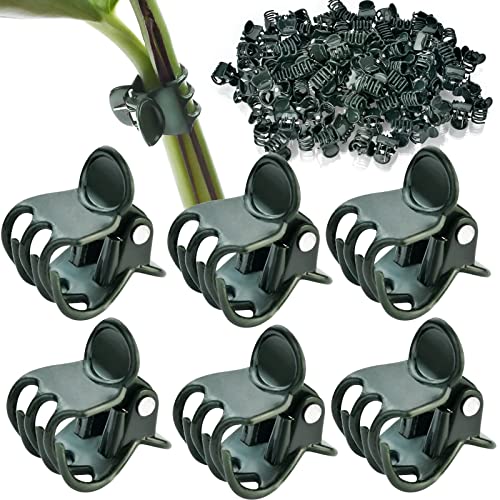
Package Included: 100pcs garden plant clips in total. The size is 2 x 1.5 cm. Mini and cute, perfect size and enough quantities provide great and steady support for plants to grow upright and toward sunlight. Large diameter is hard to crush and squeeze the plant stems.

Vibrant & High-Visibility Design: The bright red and green colors make this plant training clips easy to spot among foliage, reducing the risk of accidental damage during training. This visual distinction helps gardeners quickly identify and adjust clips as plants grow.

PLASTIC MATERIAL: The plant support clips are made of plastic. 1.2 inch (30 mm) middle diameter. Smooth surface without burr. The clamps are durable, and the middle joint is folded repeatedly and not easy to break, which can be reused.
How Much to Prune Cherry Tomatoes on a Trellis
Single-stem training taught me restraint, but pruning cherry tomatoes on a trellis demands even more judgment. I target those suckers hiding in the “X” between stem and branch, especially down low. You want airflow, not a jungle.
I remove suckers from the bottom foot or two, then ease up. Let the vine climb. I once over-pruned and watched my harvest shrink. Now I check weekly, sometimes biweekly when growth explodes.
For indeterminate varieties, I top the plant once it reaches my trellis height. Redirect that energy upward. Dense basal foliage goes first; upper fruiting clusters stay put. It’s a balancing act. You’re guiding the plant, not controlling it. Your tomatoes will indicate when you’ve got the pruning right.

【GARDEN TWINE】Bengal Imported 100% natural jute, which is eco-friendly. Soft tone and natural texture can perfectly fit into the plants. The thickness of 2mm/2.5mm provides strong support for plants. This garden twine is a very sound and budget friendly choice for you.

Made of jute fiber, the garden jute twine is biodegradable and won’t hurt environment
HIGH BREAKING STRENGTH TWINE: Available in Green & White with 2 performance options: 1.3mm diameter (114 lbs) for short-term tasks, and 2.0mm diameter (200 lbs), offering significantly higher strength than standard market twine (130140 lbs) and designed for reliable, full-season durability
Tying and Clipping Cherry Tomatoes Without Stem Damage
I’ve learned the hard way that snapping a stem while tying is easier than you’d think, especially when you’re rushing to beat a rainstorm. I will show you stem-safe attachment methods that keep your vines upright without the guilt of accidental amputation, along with the growth stages when tying actually sticks instead of slipping. Timing is crucial; securing a floppy six-inch seedling may lead to needing adjustments soon after.

Package Included:40 PCS Tomato Roller Hooks.

PACKAGE CONTENT: You will receive 60 tomato hooks and 200 plant support clips, enough to meet your usage needs, which can achieve support for multiple plants.

【Package includes】You will receive 20 pieces of tomato hooks with string and 100 pieces of plant support clips;.Tomato hooks are made of robust rope and iron materials,whichare weather-resistant,aging-resistant,high-temperature-resistant,rot-resistant, and not easy to break.
Stem-Safe Attachment Methods
How do you keep a cherry tomato stem happy while it climbs? Tight ties can cause issues.
I use soft materials, such as horticultural twine, Velcro plant ties, or zip ties, anchored loosely to my trellis. I tie just above a leaf node, ensuring it isn’t too snug. Every 6–8 inches up the main stem, I add a new attachment point. I check every few days during growth spurts because stems thicken quickly, and I have noticed girdling scars that I prefer to avoid.
Here’s what I avoid:
| Don’t Do This | Why It Hurts | What I Do Instead |
|---|---|---|
| Tying fruit clusters directly | Stem breakage, fruit abrasion | Secure beneath leaf axils |
| Tight, permanent ties | Constriction, poor growth | Loose, adjustable knots |
| Ignoring ties for weeks | Girdling, sagging | Check and re-tie regularly |
I avoid tying fruit clusters entirely. The stem handles the weight better.
Growth Stage Timing
Knowing how to tie stems safely is important, and timing those ties and clips is equally crucial. Rushing into trellising too early or waiting too long can stunt what should be vigorous growth stages.
- Start when the first flower cluster appears. Tie just above it, guiding that main stem upward without squeezing.
- Clip suckers below that first truss only. I used to remove every little branch unnecessarily.
- Check ties every 7–10 days. Stems thicken quickly, and what felt loose yesterday might girdle tomorrow.
Leave a little slack—about enough to slide your pinky through. Space ties 8–12 inches apart. Your plants will indicate when the method is effective.
Growing Cherry Tomatoes Without a Trellis: What Goes Wrong
Why bother with trellises? Skipping one leads to chaos. Without a trellis, plants turn into a tangled mess. Vines intertwine, fruit becomes hidden, and I’m bending until my back aches. Airflow diminishes, and leaves remain wet, making disease prevention a challenge.
Indeterminate varieties sprawl uncontrollably. Mine bent over, breaking stems I had nurtured for weeks. Ground contact attracts every slug and hornworm nearby. Soilborne pathogens thrive in the damp conditions.
Even my determinate cherries sagged under their own weight. Ripe fruit rots when it touches the ground. Picking takes a long time when it’s difficult to see what’s ready.
Growing tomatoes shouldn’t mean wrestling with vines every morning. A trellis is essential for healthy plants.
How Tall Should Your Cherry Tomato Trellis Be?
I learned the hard way that a four-foot trellis won’t suffice for most cherry tomatoes. You’ll want at least six to eight feet for indeterminate varieties, as they continue to grow and produce fruit until frost arrives. Planning for maximum growth potential is far better than dealing with plants that flop over in July.
Minimum Height Requirements
How high should you really go? Skimping on trellis height can lead to chasing runaway vines through mud. Here’s what keeps us in the clear:
- Start at 5–6 feet for indeterminate varieties; they will outgrow anything shorter by July.
- Use 8-foot stakes with top ties; you’ll appreciate this when growth explodes.
- Add adjustable ties to avoid the mistake of rigid, too-short supports.
For bushier types, 4–5 feet might work, but I always opt for taller now. T-posts or connected lines at 6–8 feet provide flexibility. If space is limited, maximize your reachable height. Picking fruit without bending is far better than regretting past choices.
Maximum Growth Potential
Once you’ve locked in that minimum height, the real question becomes how far these vines will actually stretch if you let them. Indeterminate growth means these plants don’t know when to quit; I’ve seen them hit ten feet and keep reaching. Your trellising height needs to match that ambition.
| Variety Type | Recommended Height | Best System |
|---|---|---|
| Indeterminate | 6–8 feet minimum | Single-stem trellis |
| Determinate | 3–4 feet | Basic staking |
| Either type | 8+ feet with upgrades | Florida weave |
I learned that skimping on posts leads to sagging issues. Tall end posts with wire between them enable you to keep training upward. Adding bungee anchors as you go will save you from wrestling with collapsed vines during peak harvest.
Adjusting Supports as Plants Grow Taller
Why do my cherry tomatoes always try to escape their trellis by August? I’ve learned that training isn’t a one-and-done deal; it’s essential to stay on top of things.
Here are some strategies I use during the summer surge:
- Add higher anchors. I clip bungees above the first ones as vines stretch past six feet, catching escapees before they flop.
- Upsize your cords. Tightening weekly prevents stems from getting strangled. I check every Sunday with coffee in hand.
- Wind weekly. I spiral new growth up the string, guiding that single-vine canopy skyward before it sprawls everywhere.
Keep trellis panels near post tops as well. An 8-foot stake setup with top connections provides ample room for growth. Each repositioned branch helps maintain order in the garden.
Pick Your Trellis: Budget, Time, and Durability
I’ve tried enough wobbly cages to know that a budget-friendly option often leads to buying twice. Let’s examine what your wallet, weekends, and future self truly need. You can spend $10 on flimsy wire that buckles by August, or invest in 6-foot T-posts and cattle panels that will outlast your tomato addiction. I’ll break down where it pays to splurge, where you can save time with a Florida Weave, and why sturdy is essential when your indeterminate cherries reach eight feet.
Budget-Friendly Options
How do you support a climbing cherry tomato without draining your wallet? A smart trellising system can be affordable. Here are three budget-friendly options I’ve tried:
- Round cages – Inexpensive and effective. They may struggle with larger indeterminate plants, but they work well for cherry tomatoes.
- Florida weave – Using stakes and twine in figure-8s creates an economical and sturdy support system. However, my indeterminate plants eventually outgrew my 5-foot stakes.
- Cattle panels with T-posts – This is my current favorite. With six-foot posts and zip ties, the setup is simple. Although it costs more initially than flimsy cages, it lasts longer.
I’ve wasted money on ineffective supports. You can find reliable options without overspending.
Time Investment Trade-offs
Saving money feels great until you’re wrestling with collapsed cages at 7 AM on a Saturday. I learned the hard way that time investment matters as much as dollars.
| Trellis Type | Time Reality |
|---|---|
| Florida weave | Quick setup, but you’ll re-twine when plants get heavy |
| Round cages | 10 minutes to install, hours rescuing fallen vines later |
| Single stem trellis | Tying every week, but pruning gets easier with practice |
| Sturdy cages/DIY panels | More sweat upfront, less panic in July |
Your trellis choice shapes your summer. I once saved $40 on flimsy cages, then spent three weekends fixing disasters. Now I build cattle panel arches; two hours of cutting and bending leads to years of minimal maintenance. That’s a worthwhile time investment.
Long-Term Durability
When you’re facing a wall of tomato vines in August, you’ll see if your trellis was built to last. I’ve learned this through experience. Flimsy cages collapse under vigorous growth. I’ve picked tomatoes from the dirt before.
For real trellis durability, I recommend these three upgrades:
- Cattle panel arches with 6-foot T-posts and zip ties; mine has lasted five seasons.
- Heavy-duty stakes at a minimum of 8 feet for single-stem training, not those flimsy 4-footers I tried once.
- Bungee anchors for repositioning slipping branches, because vines don’t stay put.
The Florida Weave is a budget-friendly option, but it has height limitations. I adjust cords as plants grow. Neglect maintenance, and your hard work will falter. Build it correctly, and it will serve you for years.