I used to think climbing was a solo sport until I spent twenty minutes tangled in my own rope with no partner to laugh at me.
You need three kinds of support: physical systems like harnesses and dual belays, trained staff who know adaptive gear, and the human network that gets you to the wall when motivation fails.
My climbing improved once I recognized the value of collaboration, and there is more to that experience than I initially realized.
Three Types of Support Every Climber Needs
I’ve learned that climbers won’t figure it out on their own. You need proper climbing supports installed before you even think about planting.
First, there’s wire systems. You’ll want them taut, spaced 30–45 cm apart, with the lowest wire about 30 cm above soil. Keep them roughly 5 cm from the wall; your plants need breathing room.
Wooden trellises work beautifully too. Screw them to thick battens, starting 30 cm up. I mounted them flush against walls and watched them rot. Avoid that mistake.
Free-standing options save walls entirely. Post-and-wire screens, trellis panels, or anchored obelisks offer flexibility. I once skipped anchoring an obelisk, and the wind taught me a lesson.
Training starts immediately after planting. Split canes, bamboo wigwams, and twine become your best friends. Your climbers will benefit from this support.
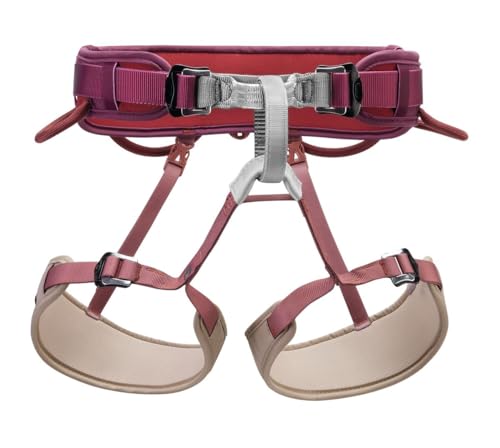
MAXIMUM VERSATILITY: The ultimate all-around harness designed for rock climbing, mountaineering, or via ferrata; comfortable enough for long gym sessions yet durable enough for outdoor cragging.

UNIQUE SLIDE-BLOC SYSTEM – Features four Slide-Bloc buckles for effortless, quick adjustments, ensuring a perfect, secure fit for climbers of all levels and body sizes every time.

Versatile Design: Ideal for rock climbing, ice climbing, sport climbing, and mountaineering.
Essential Safety Equipment for Adaptive Rope Climbing
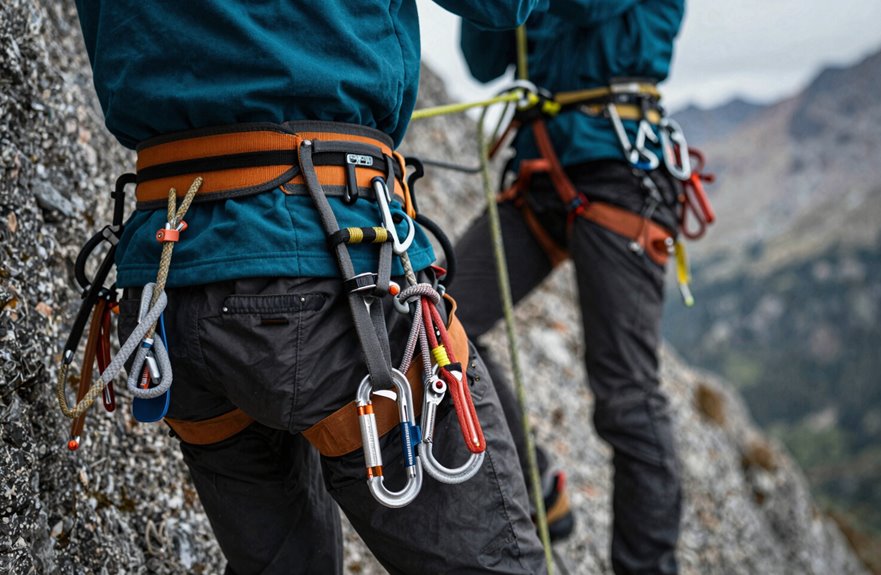
I used to think adaptive climbing gear was just regular equipment with extra padding. However, when I look at harness systems, adaptive grip solutions, and rope management tools, I see how each piece serves a specific purpose. For example, harnesses with 4-inch waistbands distribute pressure evenly for climbers with limited core control. Getting these details right is essential for safety and allows climbers to focus on their ascent without concerns about gear failure.

Harness tool holder

On-the-fly, tool-free friction adjustments for efficiency in the canopy

【Enhanced Tensile Strength - Premium Climbing Rope For Home Gym】Most gym climbing ropes are twisted directly from fiber into 3 strands. WE DO IT DIFFERENTLY: we machine-spin jute fiber into fine yarn, use 150 yarns per strand, then twist 3 strands into the finished 1.5 inch climbing rope. Woven with heavy-duty, tight twists and supports 1000 lbs, 16,000 N strength which holds 2-3 adults with no stretching, fraying, or shedding rock-solid for intense gym workouts, durability and safety you need
Harness Systems and Fit
How does a harness become your climbing partner rather than your enemy? I have learned that harness systems and fit can make or break your climb. If it’s too loose, you might spin like a confused ceiling fan. If it’s too tight, every move can feel like a struggle.
Adaptive harnesses support your core without causing discomfort. I’ve seen climbers quit because their gear was unmanageable. Proper fit reduces grip fatigue; your forearms will appreciate it after that 40-foot route.
Back-up belays add security when rebuilding trust. Ascender bars and pulleys should work with your harness, enhancing your climbing experience. We are fostering a community where specialized equipment facilitates access to climbing, ensuring your harness feels supportive rather than restrictive.
Adaptive Grip Solutions
A good grip can transform a daunting wall into a playground. Adaptive grip technology is about more than just holding on; it’s about finding your place in the climbing community.
Some climbers need ascender bars and pulley systems that do the heavy lifting, while others may climb without modifications. The beauty of adaptive grip solutions is their ability to meet individual needs.
Support systems are crucial. Proper equipment can prevent long falls and facilitate careful lowering. Specialized harnesses reduce skin injury and stabilize your core. While barriers such as equipment costs and facility access exist, collaboration is essential.
With proper training, the risk of serious injury decreases significantly. Making mistakes in gear selection is part of the learning process. Your grip, your way, your climb.
Rope Management Tools
Rope management is crucial. Tangled ropes and jerky belay transitions can slow you down and affect your confidence when it matters most. Effective rope management enhances safety and control.
| Tool | What It Does | Best For |
|---|---|---|
| Belay devices | Control rope flow during climbs | Smooth lowering and catching falls |
| Ascender bars | Provide mechanical lift assistance | Rope ascents with less arm strain |
| Backup belay systems | Run two belays per climber | Extra security on challenging routes |
I select my gear based on my physical condition that day. Sometimes I require ascenders to help with grip fatigue; other days, I can manage with standard belay devices. Everyone is navigating these challenges together, which is acceptable.
Why Adaptive Climbers Need Extra Backup Systems
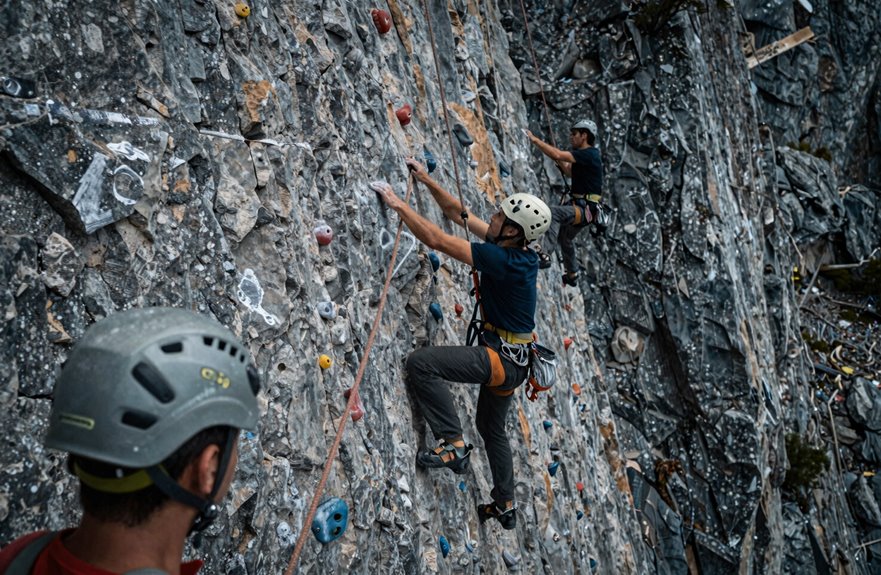
The backup systems we use in adaptive climbing are not about coddling anyone; they are essential for preventing falls that can lead to serious injuries. I’ve discovered that having two belays per climber is necessary when your legs don’t catch falls in the usual way.
These backup systems allow for a smooth lowering process without the abrupt drop that can be unsettling. Studies show zero new spinal or brain injuries when we implement safety layers like this; it’s a result of careful planning. Ascender bars and pulleys reduce the strength I need by half, enabling me to complete routes instead of hanging there without direction.
While specialized gear and accessible gyms present challenges, these additional systems are crucial for my ability to climb. The equipment compensates for the physical limitations I may have.

✅ Aircraft-Grade Durability: Forged from lightweight 7075 aluminum alloy with 220lb (==100kg) max load capacity, AOKWIT climbing ascender is built for extreme conditions without compromising strength.

【Longer Service Life】The fall arrester is made of high-quality aluminum-magnesium alloy material, and the surface has anti-rust and anti-corrosion coating, which is durable and prolongs the service life of roller skating.

Durable Material : The climbing ascender is made of high quality magnesium alloy, durable, high strength, lightweight and easy to carry.
Belayers and Partners: Your Personal Safety Net
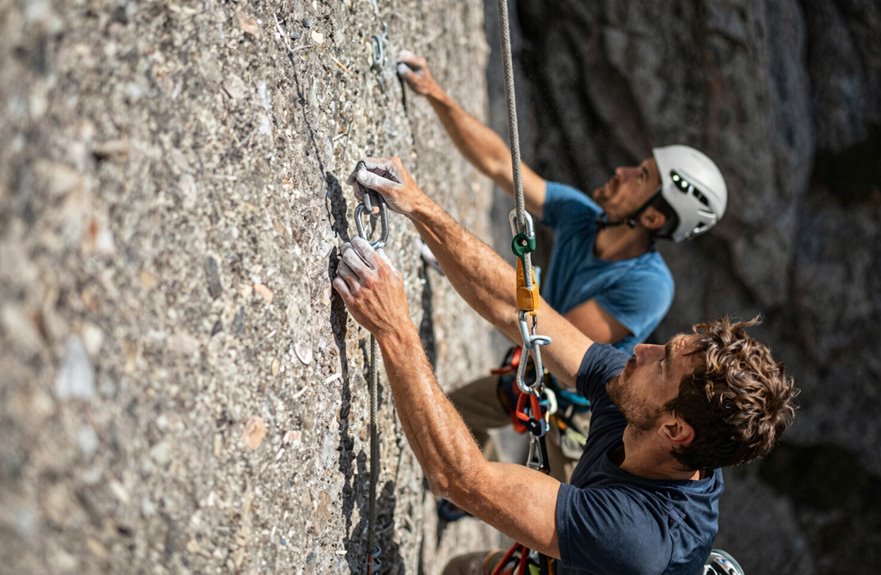
How do I actually stay attached to the wall? I don’t; my belaying team does that for me.
I’ve got two belayers watching my every move, not one. It may seem excessive, but this backup system ensures that if I slip, I’m caught before I’ve dropped more than a few inches. My partners lower me down slow and steady, without drama.
Safety nets are built from trust and redundancy. Studies show that adaptive climbers using double-belay setups haven’t suffered new spinal or brain injuries; the statistic is zero. That information is significant to me.
I’m not handing my life to strangers. These are my people. We’ve trained together. We check gear twice because a single check feels insufficient.
You deserve this same web of support. Climbing isn’t solo; it’s a shared experience.
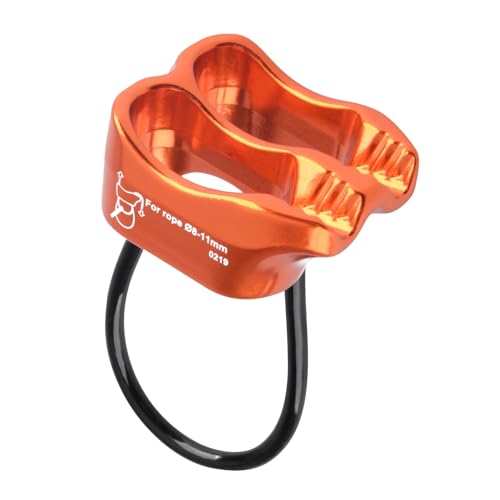
Smooth and Controlled Braking: V-groove design adds extra friction for better speed control and stopping power, especially on thinner ropes or heavier loads—ideal for belaying and rappelling

ASSISTED BLOCKING: Features a cam-assisted blocking system that improves belaying comfort; when the climber falls or weights the rope, the cam pivots to pinch and block the rope automatically.

[Material]: Aluminium and Magnesium alloy forging. Weight:belay device: 60g / 0.132lb.
Trained Staff as Professional Safety Partners
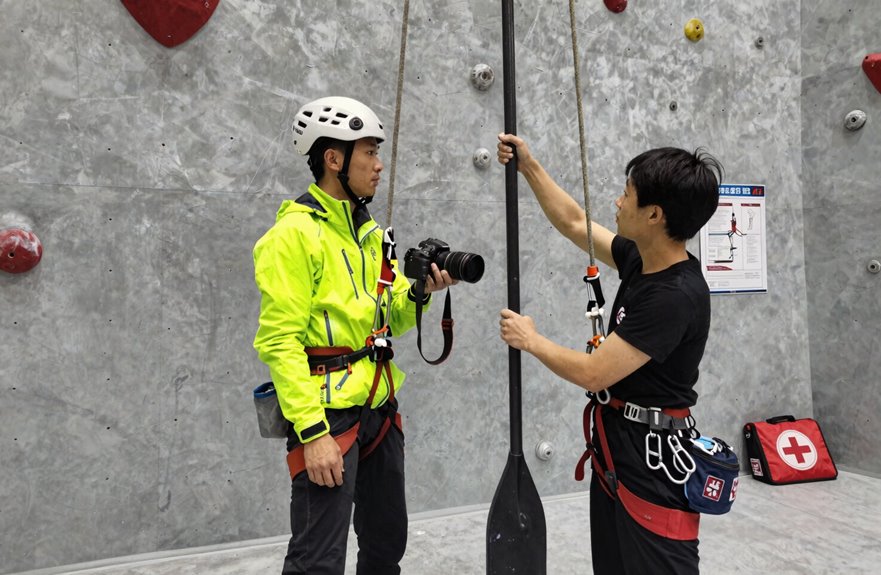
When I first walked into an adaptive climbing gym, I assumed the staff would treat me like broken glass: careful, distant, maybe a little pitying. I was wrong. These trained staff became my professional safety partners, not my handlers. They knew how to rig backup belay systems with two belays per climber, and they checked every piece of safety equipment as if their lives depended on it, because yours does.
- They understand disability-specific protocols without making you feel like a case study.
- They maintain no record of spinal or brain injuries in adaptive climbing history.
- They spot barrier risks before you even notice them.
- They transform specialized gear from intimidating to intuitive.
I have never felt more capable. Trained staff do not just minimize risk; they maximize your confidence to try.
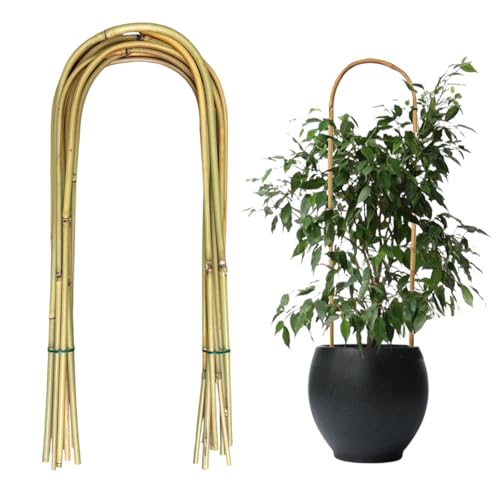
【Natural bamboo】Made of natural renewable bamboo material, handmade bamboo shape to ensure the product is beautiful and strong, after heat fumigation treatment, effectively prevent cracking, long life.

【Natural bamboo】Made of natural renewable bamboo material, handmade bamboo round-shape to ensure the product is beautiful and strong, after heat fumigation treatment, effectively prevent cracking, long life.

[High Quality] - The Bamboo stakes are made of high quality natural bamboo.It’s very strong and durable,great for plant support!Each stakes is inspected manually to ensure quality.
Social Support Systems: Climbing Camaraderie That Lasts
Gear won’t cheer you on when you’re terrified three feet off the ground. People do. I’ve watched strangers become family at my local gym, especially through adaptive programs that break down walls between us. The numbers back this up—74.1% of climbers report strong social engagement, and I’m surprised it’s not higher. I’ve stumbled through beta with people I’d never meet otherwise. Climbing camaraderie isn’t just about sending routes together; it includes the text checking if you showed up after a rough week. Adaptive programs expand this circle wider than I expected, connecting me to international networks where shared struggle translates across languages. I used to think I needed better shoes; turns out, I needed better people.

MAXIMUM VERSATILITY: The ultimate all-around harness designed for rock climbing, mountaineering, or via ferrata; comfortable enough for long gym sessions yet durable enough for outdoor cragging.

[MATERIAL]:The half body harness is made of High strength polyester,Strong and Secure.CE 1282 EN353-1:2002, harness Weight limited:230KG/ 507 lbs, Breaking strength 22KN.Tension:15KN, Impact force: 6KN.Weight:1.23Ib(560g). Package include: climbing harness x1, instruction x1, storage bag x1.

MAXIMUM VERSATILITY: The ultimate all-around harness designed for rock climbing, mountaineering, or via ferrata; comfortable enough for long gym sessions yet durable enough for outdoor cragging.
Finding Mentors Who Understand Adaptive Climbing
Where do you start when you need someone who understands adaptive climbing? Finding mentors in this field isn’t about luck; it’s about knowing where to look.
- Check adaptive climbing programs at gyms; they’re growing fast and stock gear that reduces strength demands significantly.
- Ask veterans’ groups; they’ve built strong mentorship networks through shared experiences.
- Connect with climbers who have firsthand experience with paraplegia or quadriplegia; they’ve navigated challenges similar to yours.
- Join online communities where mentors share tips on backup belay systems and safety strategies.
These mentors not only handle ropes; they navigate equipment logistics, share accessibility tips for facilities, and encourage you to pursue goals that seemed out of reach just last month. They transform isolation into a sense of belonging, fostering connection through each climb.

10.5mm Static Rope: This 10.5mm climbing rope is enough strong abrasion resistance, moderate soft, strong binding force, anti-slip and tear resistant. Package Content: 1 x Static Rope, 1 x Drawstring Rope Bag.

GLOVE AS A GIFT: In order to reduce the friction between your palms and the climbing rope during the training, we give you a glove, you can use it without worrying about your palms getting hurt after you receive the item

Material: This hand ascender made of hot forged aluminium-magnesium alloy, it has the characteristics of high strength, light weight and easy to carry.
When Getting to the Gym Is the Hardest Part
I’ve had mornings where the fifteen-mile drive to my gym felt like climbing Everest in flip-flops. Staring down traffic, childcare swaps, or a bus route that takes forty-five minutes each way, the mental prep starts before I even lace up my shoes. Half the battle is building the stubbornness to show up anyway.

Durable Material : The climbing ascender is made of high quality magnesium alloy, durable, high strength, lightweight and easy to carry

【Detachable Design】: The main shaft is detachable and can be moved freely by pressing the set bar button, which is easy to install. During the climbing process, you can adjust the lock position according to your needs at any time, very flexible and convenient. Make your climbing more efficient & energy-saving!

Durable Material : The climbing ascender is made of high quality aluminum alloy, durable, high strength, lightweight and easy to carry
Access Barriers
How do you keep climbing when just getting to the wall feels like the crux? I’ve watched friends miss sessions because their ride fell through or their regular partner got busy. It stings. You’re packed, ready, and suddenly you’re stuck.
Accessibility barriers can be more challenging than any overhang. I’ve seen climbers with disabilities face gyms that simply don’t fit their needs. Adaptive equipment exists, including specialized harnesses and modified holds; however, too many facilities lack trained staff who know how to use it. That is a choice gyms make, not a law of nature.
- Find a gym with disability-specific staff training; it is more important than fancy walls.
- Build a network of climbing partners so a single cancellation does not stop you.
- Ask about adaptive equipment before you commit to membership.
- Carpool with local climbers; I’ve bummed rides for months, and it saved me.
Mental Preparation
Some mornings, my climbing shoes sit by the door while I stare at them. The fifteen-minute drive feels like an hour when my brain starts making excuses. I’ve learned that mental preparation involves building support systems that help me push through.
I text my climbing partner at 7 AM. Knowing she relies on me prompts me to get moving. At the gym, I check my training log; last week, I successfully completed a move I’d struggled with for three months. That visible progress is significant. The staff remembers my name, asks about my project, and treats me as part of the community.
When I take breaks, the community welcomes me back without judgment. Structured routines help as well. I select my warmup routes before I arrive, which eliminates decisions when I’m feeling fatigued. These systems turn “maybe tomorrow” into “let’s go.”
Adaptive Equipment That Reduces Strength Requirements
What if climbing didn’t demand brute strength from every muscle in your body? Adaptive equipment changes everything. Mechanical assistance through ascender-bar systems and pulley setups allows you to focus on movement rather than raw power. I’ve seen climbers who thought they’d never leave the ground ascend 40-foot walls with smiles on their faces.
Specialized harnesses stabilize your core and protect sensitive skin, while backup belay systems keep you safe as you build strength gradually. I once assumed gear limited progress; it actually accelerates it.
Here’s what makes this community gear special:
- Ascender bars that cut rope-climbing effort by half
- Pulley systems redirecting force so your arms don’t scream
- Core-stabilizing harnesses preventing the wobbles
- Backup belays catching you when your grip fails
You can climb that wall.

Lightweight and Robust: Crafted from aluminum alloy, this climbing descender offers exceptional strength while remaining lightweight, making it ideal for outdoor adventures like hiking and rock climbing across various terrains.

Keep Your Safety: AOKWIT high-strength ATC V-grooved belay device with teethed channel, reduce the abrasion of the rope when descending, and it is not easy to cause rope winding and knotting. Guarantee the safety of every climbers.

Keep Your Safety: AOKWIT high-strength ATC V-grooved belay device with teethed channel, reduce the abrasion of the rope when descending, and it is not easy to cause rope winding and knotting. Guarantee the safety of every climbers.
What Makes an Adaptive Climbing Program Last
I’ve seen too many adaptive programs launch with fanfare only to fizzle within a year because nobody planned beyond the grand opening. Sustainable design means building in real funding streams and staff training, rather than relying on grant money indefinitely. I once thought that creating a program would naturally attract participants. You need gear that fits diverse bodies, protocols that can scale from six-week trials to year-round communities, and climbers who stay engaged because they’ve found their community, not just a harness.

Package included : The height of bamboo trellis is 16 inch, each package includes 3pcs trellis. Three shapes are available for you to choose from

Natural bamboo trellis: Made from natural and renewable materials, bamboo is fumigated twice to ensure strong quality and durability. Our garden trellis is hand-picked and hand-made to ensure the premium quality, it is very sturdy and flexible to be used in the garden for several seasons

Coloch set of 20 pack bamboo U trellis support measures: Length: 15.8 inches, Width:6 inches. The sufficient quantity can meet your demand and the size is suitable for a wide range of plants.
Sustainable Program Design
Before you can help someone reach the top, you must build something that won’t fall apart. I learned this during my first adaptive session when I arrived with good intentions, a shiny new harness, and no plan for what happened after the climbing started. Sustainable program design requires establishing belay protocols and accessible gear before anyone touches the wall. I have seen programs fail because they overlooked this critical step.
Real growth requires structure. Phased skill-building and progressive assistive devices enable participants to climb toward independence. I map core routes with adaptive holds, extending grips like training stems.
Data is also essential. Pre- and post-program mood and strength scores provide justification for funding.
However, barriers persist. Lasting programs address them by:
- Locking in safety systems before opening day
- Building phased independence through gradual exposure
- Tracking concrete metrics such as grip strength and social engagement scores
- Removing cost and transport obstacles with sliding-scale fees and community partnerships
Inclusive Community Building
Because I spent months focusing on perfect belay systems, I almost missed what actually keeps people coming back. It’s not the gear; it’s you. It’s us. Inclusive communities build themselves through shared struggle and genuine connection.
| What We Assume Matters | What Actually Matters |
|---|---|
| Two belay systems per climber | Someone remembering your name |
| Fancy adaptive equipment | A partner who waits, no rush |
| Disability-specific certifications | Staff who ask, not assume |
| Expanded gym programs | Friends who text you to show up |
Adaptive climbing thrives on camaraderie. I’ve watched climbers return because someone cheered their 5.5 send as if it were El Cap. Financial barriers and facility access still hurt us. When you feel you belong, you will find a way back.
Adaptive Equipment Access
The right harness can mean the difference between a bruised hip and a climbing season that actually lasts. Adaptive equipment isn’t just nice to have; it is the bridge between wanting to climb and actually pulling onto the wall. When I first started, I didn’t know ascender bars existed. I struggled. Then I found a program with real accessibility.
- Harnesses designed to prevent skin breakdown keep you coming back.
- Pulley systems cut the strength you need by half, maybe more.
- Backup belays let you try hard without the terror.
- Staff who understand your body make a significant difference.
Financial barriers hurt. Equipment hoarding is also an issue. When gyms invest in adaptive gear and train their staff properly, everyone belongs. This investment ensures that programs can thrive.