
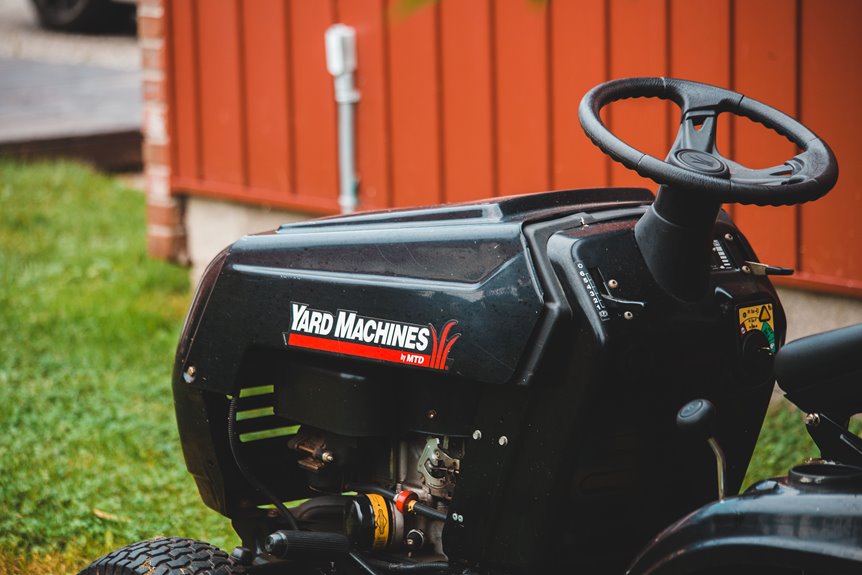
I’ve spilled enough gas on my shoes to know this choice is important. Electric mowers hum at 65–75 dB while gas models exceed 90 dB; your neighbors will notice. For yards under half an acre, electric mowers perform well; larger spaces require the endurance of gas models.
Battery mowers provide 30–90 minutes of operation before needing a recharge, while gas mowers run until the tank is empty. With electric mowers, you can skip oil changes and spark plug replacements, although batteries typically last 3–5 years.
Electric mowers have a higher upfront cost but can save on fuel over a decade. Additionally, they produce zero tailpipe emissions, contributing to cleaner air. Your yard size and willingness to perform maintenance will influence your decision, so consider these factors carefully before making a choice.
Electric vs Gas Lawn Mowers: Which Fits Your Yard Size?
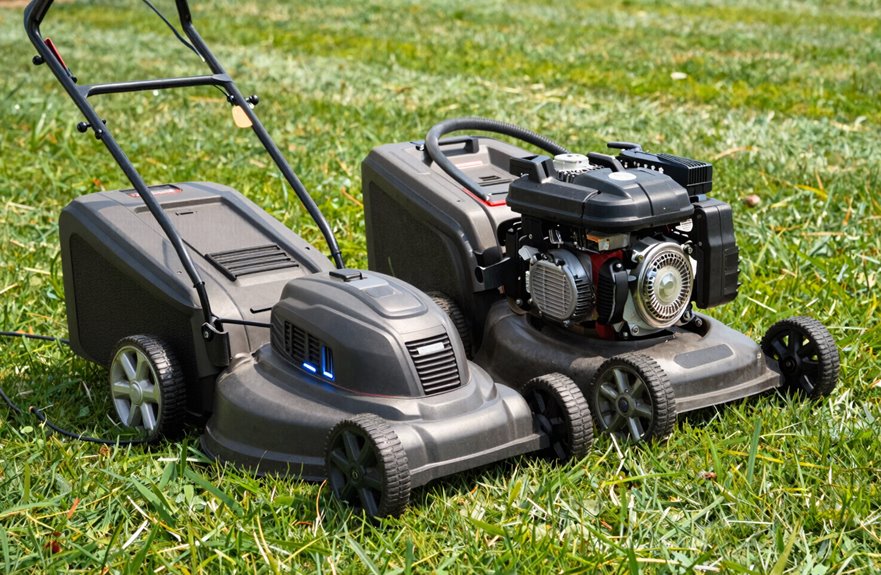
How do you determine which mower fits your yard? I learned this the hard way after purchasing the wrong one twice.
Electric mowers work well for my modest patch. For yards under half an acre, they are quiet and require minimal maintenance. No oil changes or fumes; just plug in and go. However, when I borrowed my neighbor’s gas mower for their two-acre property, I realized why some people prefer gas-powered machines.
Gas-powered mowers run as long as you have fuel. They can handle thick grass, tall weeds, and large areas without stalling. My electric mower would have stopped after thirty minutes.
For those with intermediate yard sizes, newer high-voltage electric models are available. They are not quite as powerful as gas mowers but provide a cleaner option for many homeowners who want efficiency without the emissions.

Gas-like Performance – Delivers 50% more power than 40V mowers with 60% less noise than gas – zero fumes, no pull cords!

WIDER MORE EVEN CUTTING: The 17-inch cutting deck and 6 height settings from 1 to 3 inches (25–75 mm) help this cordless lawn mower deliver a cleaner, more even finish across small and medium lawns.
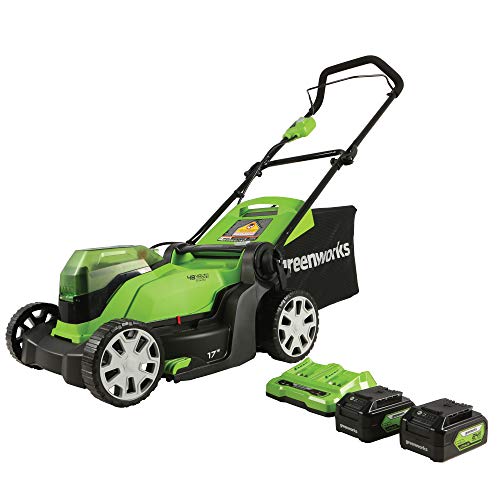
CORDLESS & POWERFUL – Greenworks 48V (24V x 2) battery powered lawn mower delivers gas-like power with up to 45 minutes run-time on (2) fully charged 4.0Ah batteries — perfect for small to medium yards up to 1/4 acre (run-time varies with grass conditions and operator technique)
Power Source Showdown: Cord, Battery, or Fuel Tank?
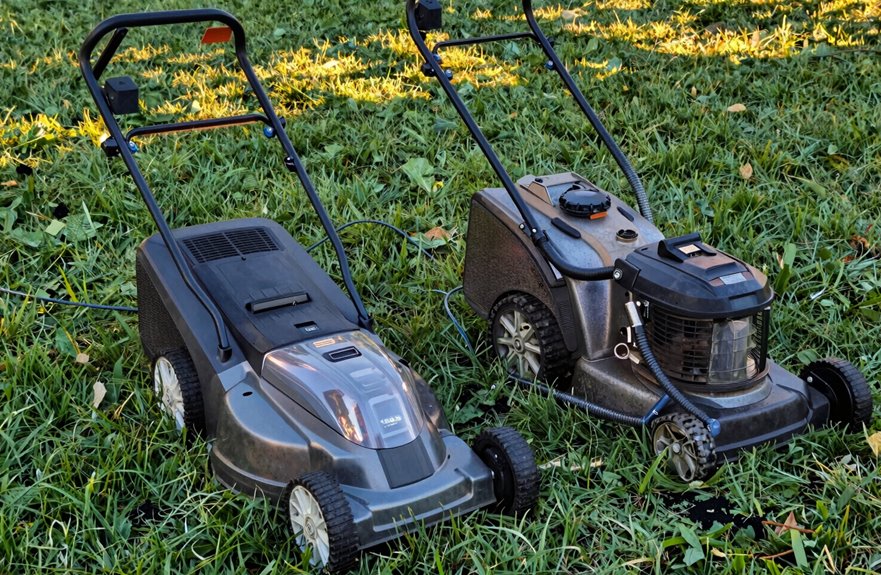
I’ve tripped over my share of extension cords, so corded mowers aren’t for everyone. You get unlimited runtime, but you’re essentially mowing on a leash; most cords max out at 100 feet, which means dragging a cable around trees and garden gnomes. Battery mowers allow for more freedom, although you’ll trade tangles for a limited runtime of 30 to 90 minutes per charge. Gas mowers continue running until the tank is empty or the noise becomes overwhelming.

POWERFUL PERFORMANCE: Tackle your yard with 3,300 RPM of power and a 14-inch cutting width

Safety: This item is up to nationally recognized standards for high-level electronic safety.
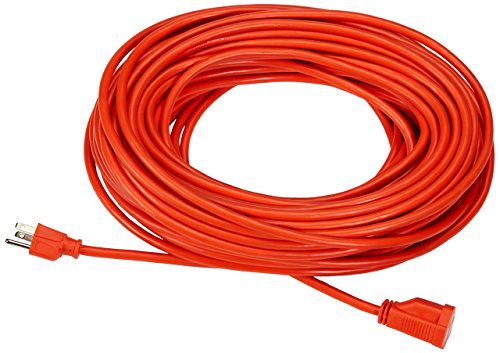
RELIABLE POWER: , ETL certified 100-foot indoor/outdoor extension cord rated 10 Amps, 1250 Watts and 125 VAC.
Corded Electric Limitations
Where can you mow when you’re tethered to the wall like a vacuum cleaner? I’ve wrestled with corded electric mowers, and their limitations become apparent quickly. You’re confined to within 100 feet of an outlet, or maybe 150 with a heavy-duty cord. I’ve tripped over my extension cord more times than I can count. Voltage drops when you push too far, and in thick grass, the motor struggles. You need outdoor-rated outlets and weatherproof connections. Rain means you can’t mow. On the plus side, there’s no worry about battery fade or gas fumes. However, managing cord tangles while trying to cut straight lines can be challenging. For small, flat yards with nearby power, it works well. For anything larger, you’ll feel the cord’s constraints.
Battery vs Fuel Runtime
Although I used to think runtime was simple—just fill up and go—I learned that power sources create very different mowing rhythms. I’ve wrestled with extension cords and miscalculated battery life mid-lawn; it happens.
Battery mowers provide 30 to 90 minutes per charge, which is sufficient for most yards under half an acre. I always keep a spare battery, as they degrade over time and replacement costs can add up.
Fuel mowers run until empty. You simply refill and continue mowing. There are no charging breaks or voltage drops in thick grass, which is beneficial for larger properties.
Yard size is important, as is your willingness to perform maintenance. I’ve made poor choices in the past. Everyone eventually finds their own rhythm.
How Long Can You Actually Mow Before Stopping?
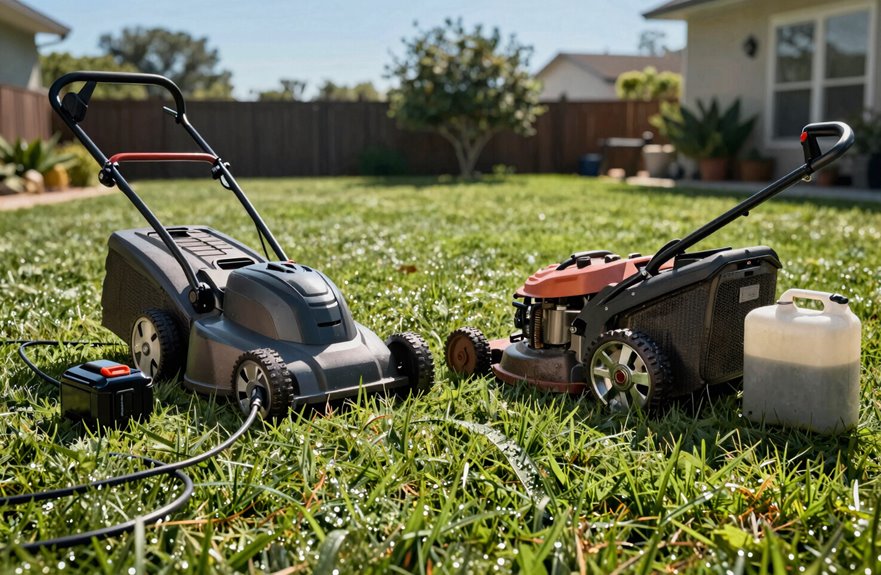
I’ve learned the hard way that battery runtime limits can sneak up on you mid-mow, often when you’re halfway through that stubborn patch near the fence. My electric mower gives me about 45 minutes before it needs a charge, while my neighbor’s gas model keeps running until the tank is empty—no extension cords, no backup batteries, no interruptions. Fuel tank capacity clearly surpasses electric models in endurance. I’ve found myself standing in my driveway more than once, looking at a half-cut lawn and a dead battery, regretting not investing in a second battery pack.

MAXIMIZE MOWING EFFICIENCY: Features a heavy-duty 21-inch steel cutting deck that covers a wider path in a single pass. Designed to significantly reduce your mowing time, making it the perfect gas lawn mower for quick and efficient maintenance of medium to large residential yards.

Convertible Design: The removable wheeled deck allows quick transformation into a small lawn mower for versatile yard care

Battery-Powered Lawn Mower - Conquer large yards effortlessly with the 60V brushless motor and two 4.0Ah battery—delivering gas-like power for up to 3/4 acre per charge (performance varies by terrain/technique).
Battery Runtime Limits
How long can you actually mow before your battery runs out? Battery runtime is about capacity meeting your yard’s requirements.
Most electric mowers provide 30–90 minutes per charge. Entry-level 20V systems will deplete faster. I’ve pushed mine through thick grass and seen the battery levels drop quickly. Higher voltage can help, but it’s not a complete solution.
Here’s what you’re really working with:
| Battery Voltage | Typical Runtime | Best For |
|---|---|---|
| 20V–40V | 30–45 minutes | Small, flat yards |
| 60V–80V | 45–90 minutes | Medium lawns |
| Extra packs | Unlimited swaps | People with storage space |
Dense grass drains power rapidly. I’ve learned to mow more often and not push the limits.
Fuel Tank Capacity
Three fuel sources lead to different stopping points. I’ve learned this the hard way.
With a corded electric mower, you’re chasing unlimited runtime until you trip over the cord or hit its limit. Cordless models give you 30–90 minutes before the battery runs out. I’ve mowed half my lawn in the dark because I misjudged that one.
Gas mowers hold roughly 0.25 to 0.5 gallons. That translates to about 1–2 hours of actual mowing. Refueling takes minutes, not hours. I’ve stood there, gas can in hand, feeling a bit ridiculous about my frustration with charging cables.
Robotic mowers break the pattern entirely. They work gradually over days, with no fuel tank to worry about and no runtime anxiety. Their steady progress is admirable.
Noise Levels: When Can You Mow Without Annoying Neighbors?
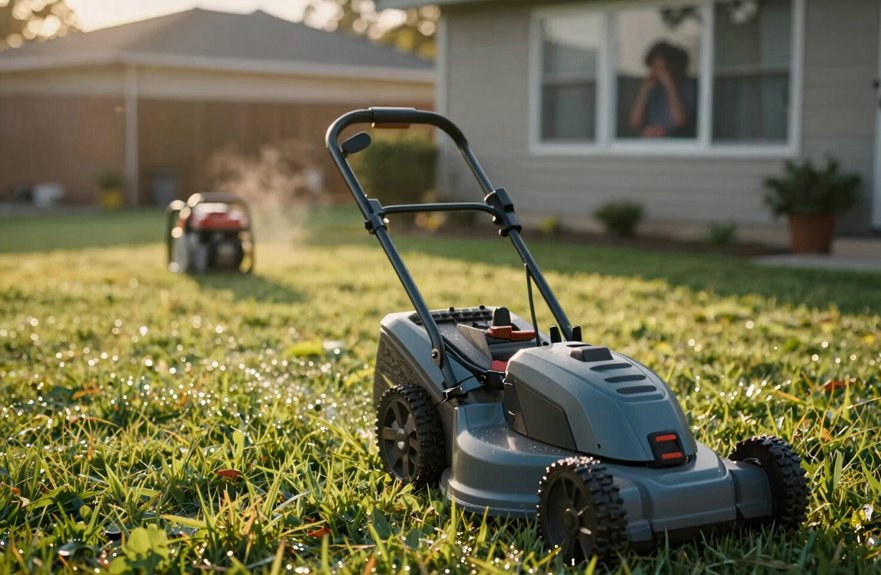
Where does your Saturday morning peace go when your neighbor fires up their gas mower at 7 AM? It disappears along with your last bit of patience.
Saturday morning peace vanishes the moment a gas mower roars to life at 7 AM, patience trailing close behind.
I’ve learned that electric mowers keep things civil. They hum at 65–75 dB. Gas mowers exceed 90 dB. That’s the difference between conversation and a rock concert.
To keep my neighborhood friendships intact, I follow these guidelines:
- I mow mid-morning, never before 9 AM; I learned that one the hard way.
- I chose cordless electric; no cord to trip over, and the noise stays low.
- I skip mowing when sound bounces off my neighbor’s brick wall toward their bedroom window.
Robotic mowers operate at dawn. I don’t own one, but I am considering it.
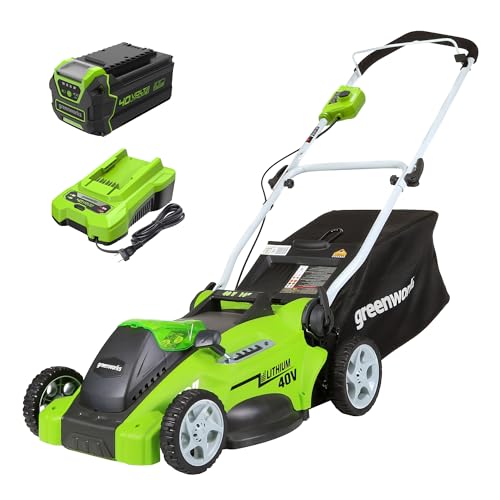
[16" LAWN MOWER] - This 40V lawn mower cuts up to 1/3 acre with fully charged 4.0Ah battery (varies based on grass condition and operator technique)
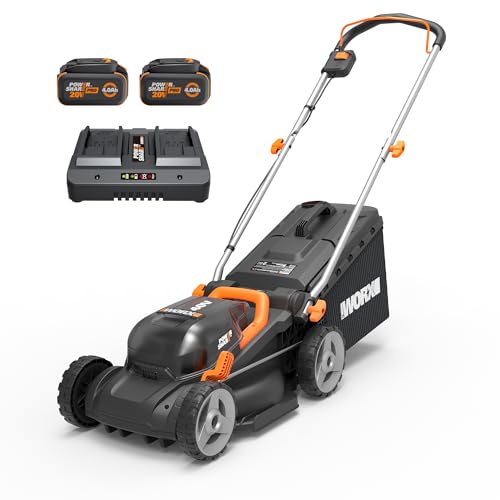
2-IN-1: The electric lawn mower with 2-in-1 functionality for easily switching between bagging and mulching.

[Customize Your Cut & Skip the Raking] Adapt to any season with a simple 1-lever, 5-position cutting height adjustment (from 1" to 2.5"). Whether you're trimming spring growth or maintaining a summer lawn, this push lawn mower delivers a clean, even cut. The included 9-gallon grass bag catches clippings instantly, keeping your yard spotless and saving you from exhausting post-mowing cleanup.
What You’ll Really Maintain: Annual Tasks Compared
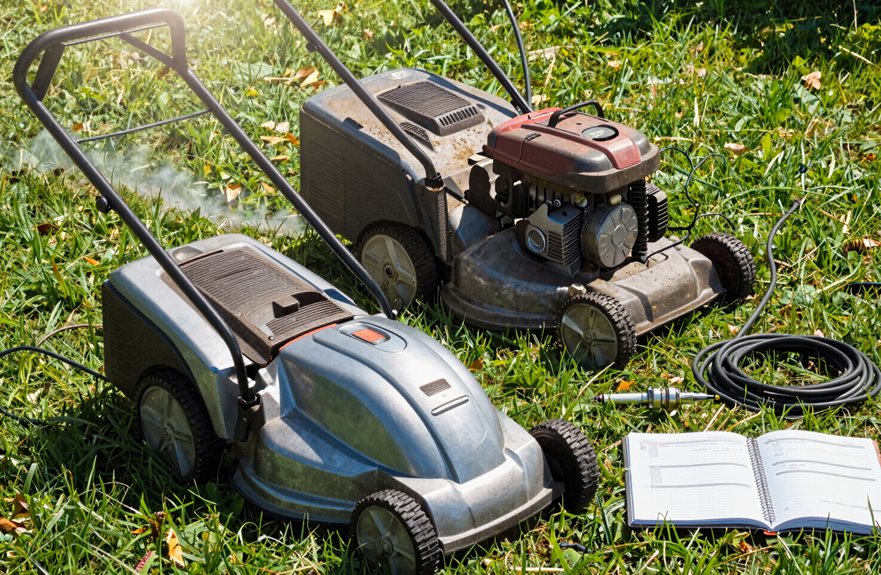
Why do I keep my electric mower in the basement all winter? My maintenance tasks take ten minutes, not ten hours. I check the blade sharpness, inspect the cord or battery health, and focus on battery care by storing it at 40-50% charge, never at zero. That’s it. No oil changes, no spark plugs, and no fuel stabilizer issues.
Gas mower owners have my respect. You’re changing oil, swapping air filters, cleaning carburetors, and checking valve clearances just to keep your mower running. I once helped a neighbor with his annual service; we spent three hours and $47 in parts. I went home and sharpened my electric blade in twelve minutes.
Both types of mowers need sharp blades, but only one involves complex maintenance.

3-in-1 Mowing Versatility This 21-inch self-propelled lawn mower offers three grass clipping options: mulching, rear bagging, and side discharge. Switch between mowing modes by adjusting the included accessories to suit your lawn care needs. The durable steel deck and wide cutting path help you mow efficiently.

1. Best-Fit Yard and User: For small-to-medium lawns with open grass and landscaping; ideal for users comfortable pushing who want fewer passes.

Gas-like Performance – Cuts ½ acre per charge (4.0Ah battery) with 3X quieter operation vs. gas mowers – no fumes, no pull cords!
Sticker Price vs 10-Year Cost: The Real Math
How much did I really save? I stared at my credit card statement. The electric mower I bought cost about $150 more than the gas mowers my neighbor chose. After crunching numbers, I discovered the following:
- Fuel costs add up. I skip the gas station entirely now.
- Maintenance shrinks dramatically. No oil changes. No spark plugs. Just straightforward operation.
- Battery math matters. My lithium-ion pack lasts 3–5 years, so I will need to replace it once before the decade ends.
For heavy mowing on large lawns, gas mowers might narrow my advantage. However, my modest yard favors the economics of electric mowers. Over ten years, cheaper electricity compared to pricier gasoline reveals the actual savings. Paying more upfront can lead to greater long-term savings.

Delivers up to 6.0 ft-lbs of cutting torque for performance that exceeds gas lawn mowers

UP TO 50 MINUTES OF RUNTIME: Includes two 20V 4.0Ah lithium-ion batteries and charger. Each battery delivers up to 25 minutes of runtime under typical mowing conditions, providing up to 50 minutes of combined runtime with quick battery swapping

CORDLESS LAWN MOWER – Get more done, faster, with Greenworks electric lawn mowers. This 40V push lawn mower provides the power you need with up to 45 minutes of runtime on a fully charged 4.0Ah battery.
Emissions, Noise Laws, and Eco-Friendly Choices
I used to think “eco-friendly” was just marketing fluff until my neighbor’s kid covered his ears every time I fired up my old gas mower. That 90 dB roar did not help my relationship with the neighbors.
I learned that electric mowers produce zero tailpipe emissions during operation. Gas models burn fossil fuels and release combustion byproducts right in your yard. My battery-powered machine hums along at 65–75 dB instead. Some towns have noise laws, and quieter neighbors have allowed me to sleep through Saturday mornings.
Electricity may come from power plants, but I am no longer spilling fuel or dumping oil. There are fewer maintenance headaches and reduced environmental risks over time. You can appreciate breathing easier while maintaining a quieter neighborhood.
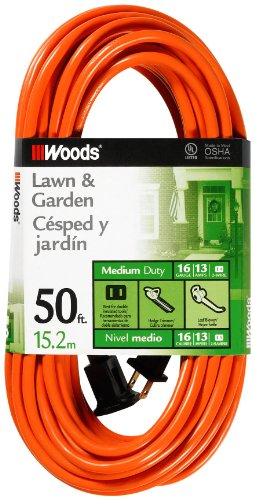
Optimized for Outdoor Power Tasks: The Southwire Extension Cord is a weatherproof extension built for landscaping tools and outdoor appliances in tough conditions

Specification: Yellow outdoor extension cord75 ft 14 gauge,13 amp, 125 volts, 1625watts, male plug nema 5-15p; female plug nema 5-15r; SJTW cord; ETL/cETL listed 75 ft extension cord outdoor

【Heavy Duty Cord】 15A / 125V / 1875W; premium SJTW 12/3 gauge contractor grade power cable has thicker, 600-volt insulation, designed for heavier use, leaf blower, lawn mower, pressure washer, weed whacker, electric drill, power saw, or Christmas holiday lights