Six factors determine how long your metal shed lasts. Steel thickness is important; 22-gauge steel is superior to 29-gauge. Quality rust-resistant coatings, such as hot-dipped galvanized zinc, provide essential protection. I neglected maintenance for two years and observed small rust spots spreading quickly. Your local climate significantly impacts longevity; coastal salt air and humidity can accelerate corrosion. A solid foundation prevents water pooling and warping. Regular monthly inspections help identify problems early. Finally, how you use the shed is crucial; overloading and chemical spills can shorten its lifespan. I will explain each factor to help you avoid similar mistakes.
Metal Shed Lifespan: 15 to 30 Years With Proper Care
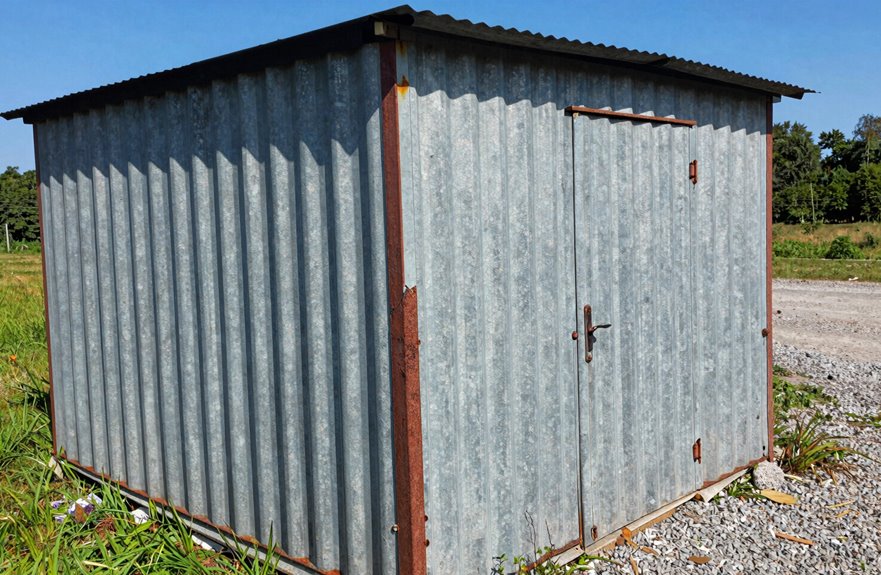
How long should you really expect a metal shed to last? Metal sheds typically last 15 to 30 years, though some can exceed that lifespan with proper care.
Your local climate significantly impacts this lifespan. Coastal humidity or harsh winters can test your shed’s corrosion resistance more than a dry Arizona backyard. I once neglected the condition of my shed’s base; water pooled underneath, and I learned the hard way.
Quality coatings are crucial. Hot-dip galvanization or premium finishes provide durability against the elements. Even the best coatings require regular maintenance. I schedule maintenance checks twice a year to tighten bolts, spot scratches, and ensure proper ventilation. Small efforts add up. By treating your shed well, you can extend its lifespan for decades.
Steel Thickness and Rust-Resistant Coatings That Protect Your Investment
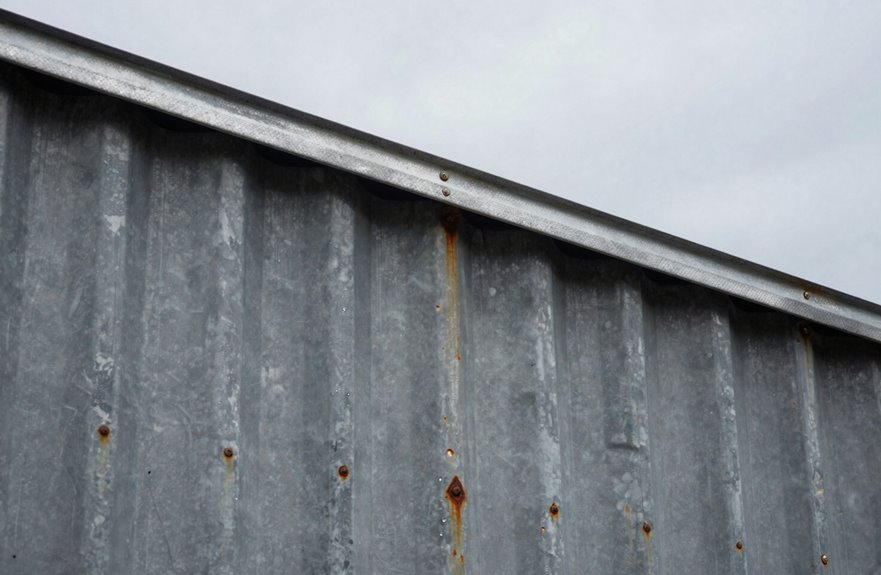
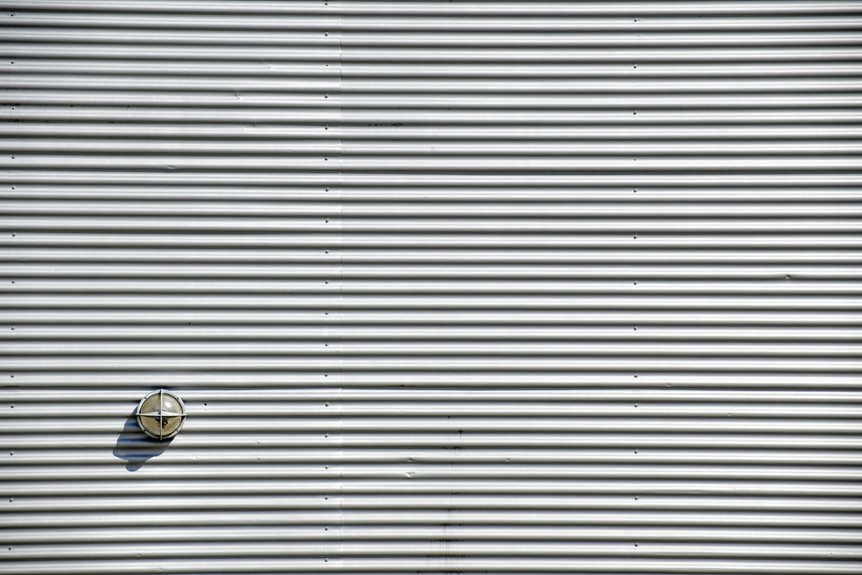
I used to think all metal sheds were basically the same. The steel gauge really matters; thicker 22-gauge panels last significantly longer than flimsy 29-gauge options. Rust-resistant coatings like hot-dipped galvanized zinc are essential for durability. It’s wise to avoid cheap painted finishes and choose Galvalume or PVDF if you want your shed to endure for years. Cutting corners in this area often means replacing panels sooner than expected.
Steel Gauge Matters
Three things I learned the hard way: thicker steel isn’t just marketing fluff, rust doesn’t sleep, and skimping on gauge is a decision you’ll regret around year seven. I went with 29-gauge sheeting once and saved maybe $200. By year six, I had patched three corrosion spots.
Steel gauge is important because it buys you time. Thicker 26-gauge or 24-gauge galvanized steel resists dents and weather threats longer. The protective coating on quality gauge sheeting, especially hot-dipped galvanized steel, offers genuine rust resistance that thinner panels can’t match.
Your base foundation plays a role too. Mine settled slightly, causing water pooling. The resulting corrosion at seams demonstrated that steel gauge and foundation quality work together.
Stick to a maintenance schedule. Tighten fixings and touch up scratches. Regular upkeep will extend the life of your steel.
Coating Quality Counts
Why do some metal sheds turn orange and crusty while others endure decades of rain? The difference lies in coating quality. That galvanised coating isn’t just paint; it acts as your shed’s armor against rust.
| Coating Type | Protection Level | Maintenance Needs |
|---|---|---|
| Standard galvanised coating | Good baseline rust protection | Annual inspection, touch-ups |
| Zinc-rich primer + topcoat | Better corrosion prevention | Sand and reapply when damaged |
| Premium PVDF coating | Best long-term defense | Minimal, check warranty terms |
I once neglected coating maintenance, leading to a tiny scratch that became a fist-sized rust hole. I now keep zinc-rich primer on hand, as your warranty terms may require it too. Harsh climates and fertilizer spills can challenge even the best finishes. Inspect twice yearly and address any damage early to extend the life of your shed.
Climate Threats: How Humidity, Salt Air, and Extreme Weather Cause Damage
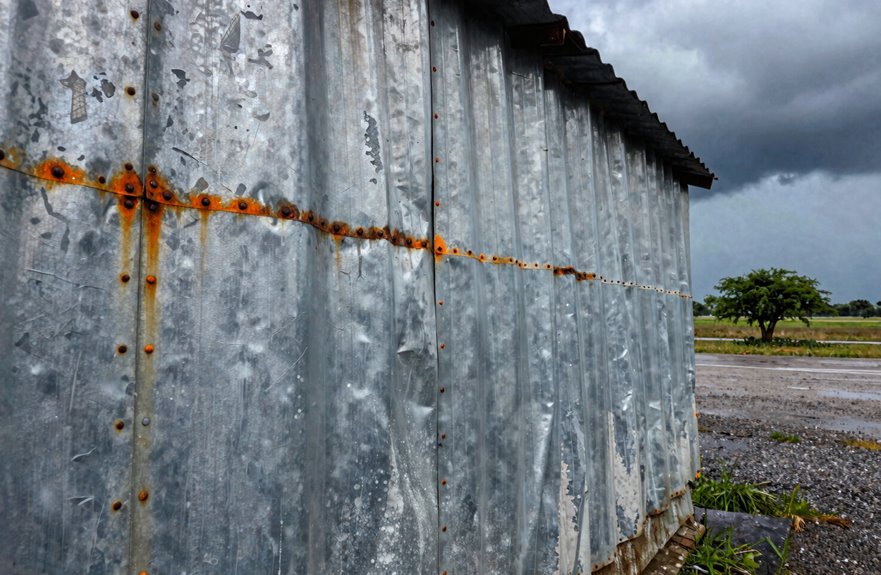
I used to think a metal shed could handle any weather until I saw what humid summers do to bare steel when the coating gets scratched. Salt air is even sneakier; if you’re within five miles of the coast, that breeze deteriorates standard paint quickly unless you have Galvalume or PVDF protection. Ignoring these threats can reduce a twenty-year shed’s lifespan to ten years.
Humidity Corrosion Risks
Every metal shed I’ve owned has taught me the same lesson: humidity doesn’t play nice with steel. I’ve watched rust bloom like unwanted flowers when condensation pools at the base, usually within 18 inches of the ground where moisture lingers longest.
I’ve learned that even quality protective coatings crack when temperatures swing 40 degrees daily. Those micro-gaps trap humidity against the metal, and corrosion starts before you notice. In coastal environments, this accelerates quickly. I’ve touched up seams with galvanization paint every two years to stay ahead.
Metal sheds need ventilation. Without it, you’re creating conditions for rust. My maintenance routine now includes quarterly checks with a flashlight and rust converter for early spots. Neglecting this means you’ll be replacing panels, which is not a preferred task on weekends.
Salt Air Erosion
Salt air is humidity’s meaner cousin, and I’ve learned this the hard way. Coastal corrosion doesn’t knock politely; it kicks your door down. Salt spray accelerates zinc coating wear like sandpaper on paint, leaving bare metal vulnerable.
Picture this:
- White crust building on your shed’s roof like stale frosting
- Orange rust formation bleeding through corners you swore were sealed
- Moisture condensation pooling inside after morning fog rolls in
- Protective coatings flaking off in chips no bigger than confetti
- Coastal weathering turning your investment into a science fair volcano
I ignored ventilation once. A significant mistake. Now I check drainage quarterly and reapply rust inhibitors before winter hits. Learning these coastal lessons can be costly. Rely on my experience for better outcomes.
Why Foundation Quality Prevents Warping, Rust, and Door Failure
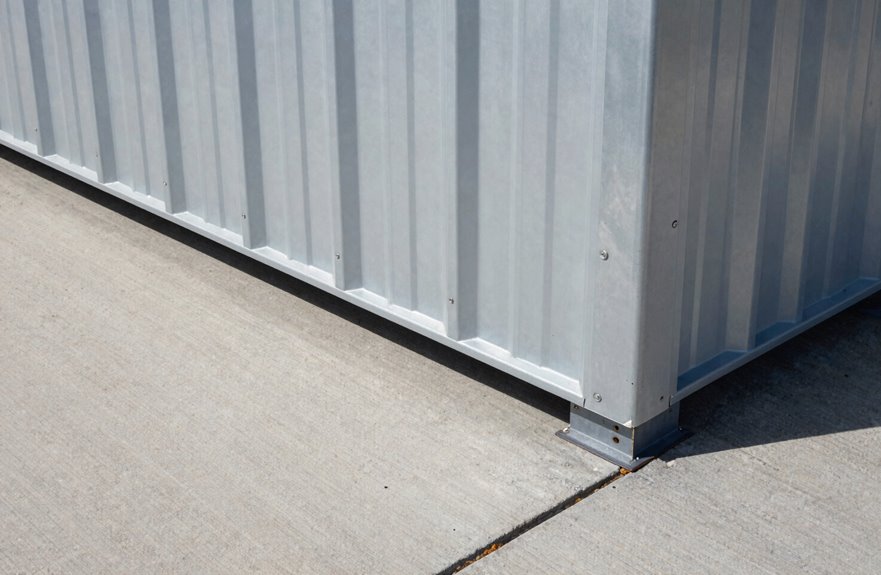
How often do we focus on the shed itself and overlook what it’s sitting on? A solid foundation isn’t just a detail; it’s everything.
A stable, level base prevents uneven load distribution. This stops warping, door alignment issues, and accelerated corrosion at seams. I’ve encountered doors that won’t close because the base settled unevenly, which is frustrating.
An uneven or weak base can lead to water pooling, undermining moisture management. Proper drainage around your base keeps standing water away, which is crucial for preventing corrosion.
| Foundation Issue | What Happens | Prevention |
|---|---|---|
| Uneven base | Warping, misaligned doors | Level gravel or concrete pad |
| Poor drainage | Moisture intrusion, rust | Slope ground 1 inch per 4 feet |
| Weak materials | Structural stress, seam corrosion | Use compacted crushed stone |
| No vapor barrier | Accelerated corrosion | Install 6-mil polyethylene sheeting |
Get the base right. Your shed needs a reliable foundation.
Metal Shed Maintenance Checklist: Inspect, Seal, and Repaint on Schedule
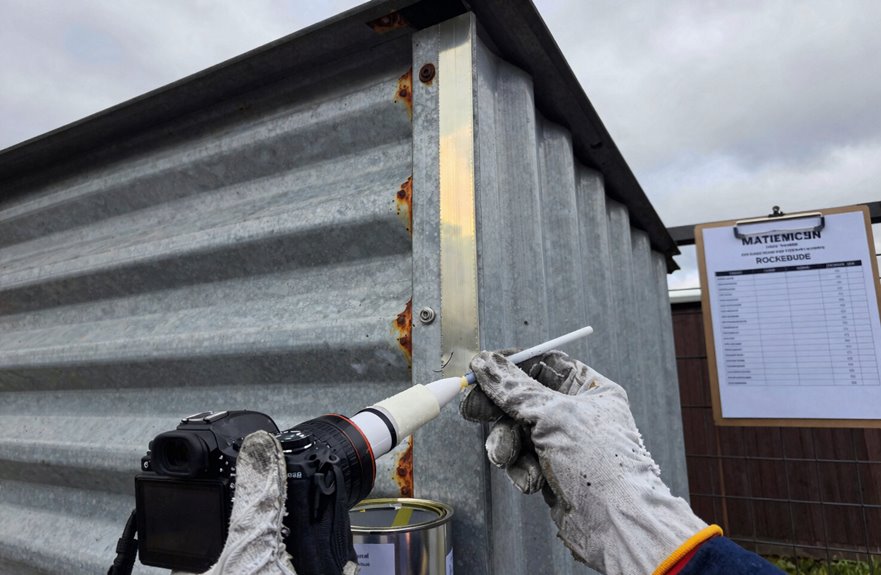
A solid foundation buys you time, but it won’t do the upkeep for you. Maintenance may not be glamorous, yet it is essential for avoiding the need to replace a shed. Here’s what keeps yours standing strong:
- I crouch low, flashlight in hand, hunting rust on bottom panels and corners like a detective chasing clues.
- Tightening bolts feels tedious until I consider the risk of the frame rattling loose in a storm.
- Peeling coating demands my immediate attention; ignoring it allows corrosion to spread.
- I check drainage ditches after heavy rain because standing water can warp everything over time.
- Misaligned doors indicate neglect, so I adjust hinges promptly to prevent further issues.
Repaint every few years. Taking these steps ensures your shed remains durable over time.
Usage Mistakes That Shorten Life: Chemicals, Overloading, and Neglect
Even though I thought I was being careful, I learned the hard way that metal sheds don’t forgive sloppy habits.
I stored fertilizers and pesticides on my shelves. This was a mistake. Those chemicals ate through the protective coatings, exposing steel to corrosion and rust. I didn’t check drainage either. Water pooled underneath, which was a clear sign of neglect.
I overloaded the structure. I crammed 200 pounds onto brackets rated for 100. Doors warped, fasteners loosened, and the structure groaned.
I skipped maintenance for two years. I didn’t tighten bolts or address small rust spots. They spread quickly.
Now I inspect monthly. I store chemicals in sealed containers on concrete blocks. I check drainage slopes; just two inches keeps water moving. I keep loads reasonable and fix issues promptly. My shed is in better condition, and I have learned valuable lessons about proper maintenance.