I learned the hard way that skipping permit research can lead to issues, much like ignoring IKEA instructions. In Pennsylvania, sheds under 1,000 square feet typically do not require a building permit according to state code. However, your local zoning office may have its own regulations. I have seen friends face unexpected $200 fees due to a lack of awareness. It’s important to check both state and local requirements before you start. Additionally, there are several factors that can trigger hidden costs.
Do You Need a Permit to Build a Shed in PA? (Size Limits and General Rules)
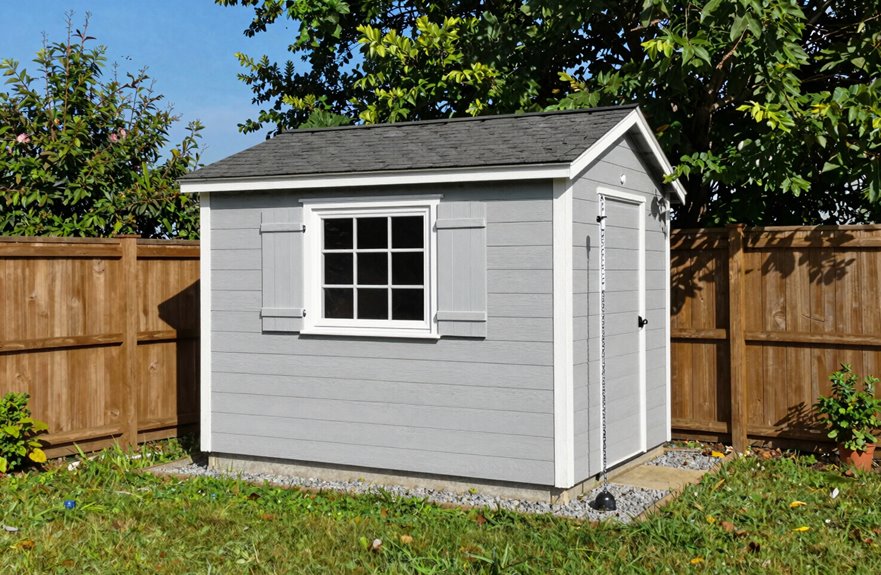
Why are shed permits in Pennsylvania so complicated? I’ve found the rules can be quite confusing for well-meaning DIYers.
According to Pennsylvania’s Uniform Construction Code, you don’t need a building permit for sheds under 1,000 square feet. While that seems straightforward, local jurisdictions often have additional requirements. Many require a zoning permit for sheds around 100–200 square feet. Cities like Easton, Erie, and Harrisburg all have their own regulations. Size is important, but so is location. Setbacks typically require 5–10 feet from property lines. If you plan to add electrical or plumbing, you will likely need extra permits. I almost skipped checking with my township; it’s best to consult your local office first.


How Much Does a Shed Permit Cost in Pennsylvania?
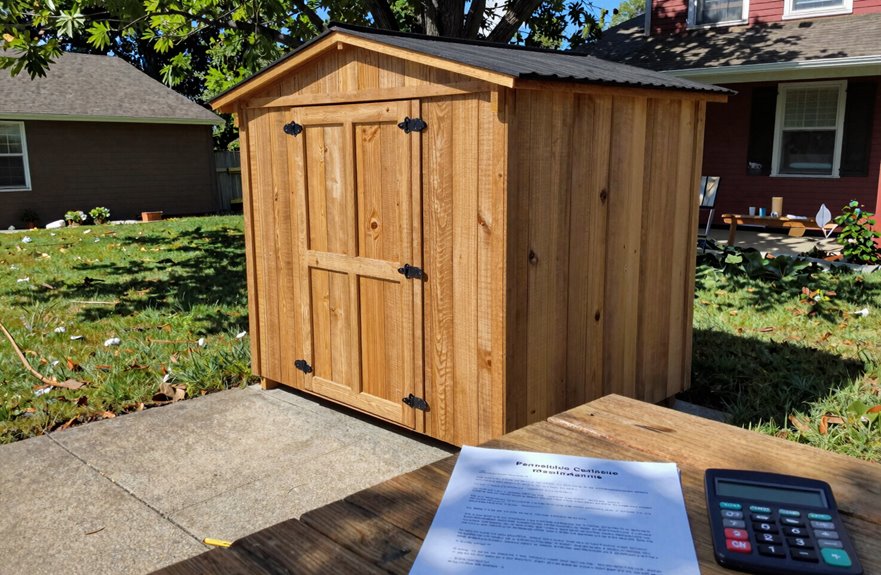
Shed permit costs in Pennsylvania are not as straightforward as expected. They typically start around $40 to $60 for basic permits, but the final bill depends on more than just the size of your structure. You should factor in extra charges for zoning permits, plan reviews, and separate utility permits if you’re running electricity or plumbing to your shed. It’s advisable to call your local municipality directly, as fees can vary significantly between towns. An unexpected $200 zoning fee can disrupt your weekend project.


Permit Fee Ranges
So how much are we actually talking here? Permit fees in Pennsylvania vary by local municipality, with shed permit costs starting around $59.50 in places like Johnstown.
Many sheds under 1,000 square feet may not require a building permit. However, you might still need a zoning permit, especially if your town has size regulations for structures around 100 to 200 square feet. I almost overlooked that detail myself.
If you plan to add electrical or plumbing work, you will need permits regardless of the project’s size. Inspections for these permits are mandatory.
I have contacted the wrong department before. It’s best to verify directly with your local municipality, as their fee schedule adjusts based on project scope. A quick call can help you avoid unexpected fines.
Additional Cost Factors
What else drives up the price beyond that base fee? Shed permits aren’t just one flat rate. Building permit fees are only the beginning.
Plan reviews and inspections can accumulate quickly. My buddy in Johnstown thought he’d pay $59.50 and be done. His county added extra for zoning compliance checks. If you want lights or a sink, you need to obtain electrical and plumbing permits separately. I almost overlooked that myself.
Some areas impose stormwater fees or setback reviews even for small sheds. If you’re pushing boundaries, a county or city variance incurs additional costs. These factors can take many by surprise. It’s important to budget for the complete package, not just the initial price.
Shed Permit Rules in Philadelphia, Pittsburgh, and Other Major PA Cities
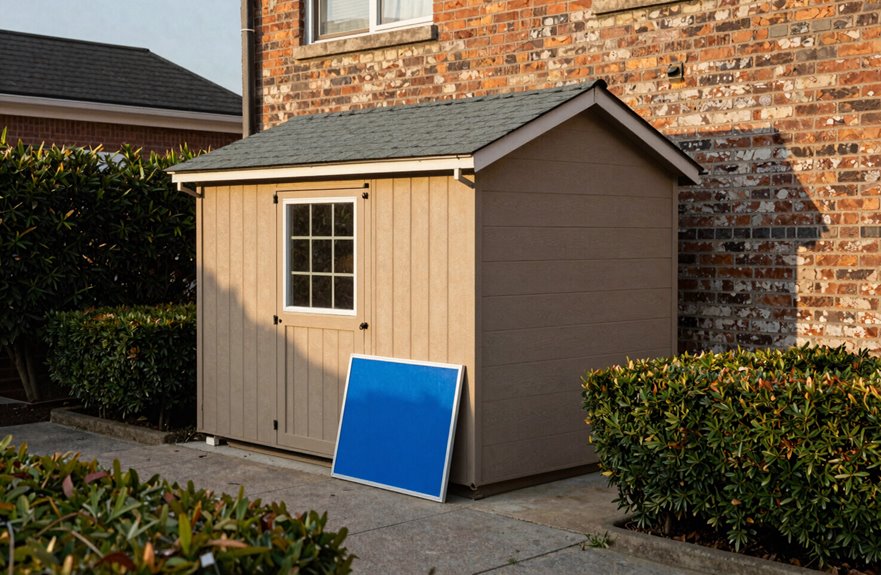
I’ve learned that Pennsylvania’s biggest cities have complex shed permit requirements. In Philadelphia, you often don’t need a full building permit if your shed is small and utility-free; however, zoning regulations still apply. Pittsburgh has similar rules, but I’ve seen friends get caught off guard by setback requirements that they overlooked.


Philadelphia Permit Requirements
Why does a simple backyard shed require so much paperwork? I’ve asked myself this while reviewing Philadelphia’s permit requirements for what I thought was a basic storage shed.
In Philadelphia, you’ll likely need a building permit. The Department of Licenses & Inspections handles this, but don’t overlook the Zoning Office; they will check setback clearance and may require a zoning review even for smaller structures. If you’re adding electrical or plumbing connections, permits are necessary regardless of size.
I made the mistake of assuming my shed fell under permit thresholds. It didn’t. The local building department provided essential clarification on the rules I misunderstood. Verifying specifics with the Zoning Office can help avoid complications. While Philadelphia’s process may seem tedious, adhering to community guidelines ensures that projects are completed within legal parameters.
Pittsburgh Permit Requirements
Philadelphia’s rules kept me busy, but Pittsburgh surprised me. In Pittsburgh and across PA, I’ve learned shed size really matters. Under 1,000 square feet? You might skip the building permit entirely. However, local zoning often still wants its say.
| What You Need | When You Need It |
|---|---|
| Zoning permit | Most sheds, even smaller ones |
| Building permit | Over 1,000 sq ft or complex builds |
| Plan review | Larger structures or unusual designs |
| Electrical permit | Any wiring to your shed |
| Setbacks check | Always, per local zoning rules |
I nearly missed this myself. I assumed no building permit meant no paperwork. My neighbor in Easton got caught without his zoning permit. Electrical work always needs separate approval. Check your municipality’s setbacks and requirements before you build. I learned this the hard way.
Do You Need an Electrical Permit for Your Shed?
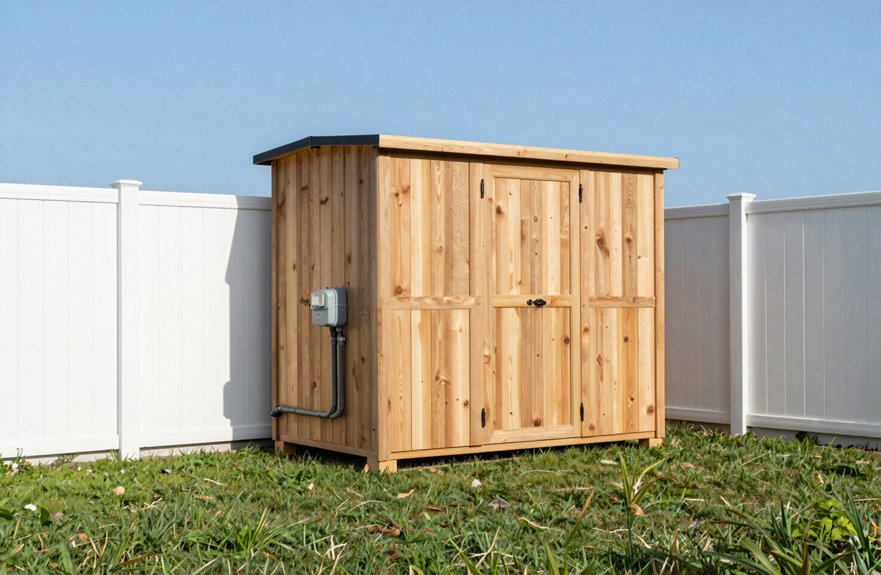
So you’ve got your shed all planned out, whether it’s an 8×10 workspace or just a spot for your lawnmower, and you’re considering simply running an extension cord out there. Unfortunately, it’s not that straightforward.
Permitting for shed wiring is more stringent than you might think. Even if your shed doesn’t require a building permit, electrical work still needs to comply with regulations. If you’re installing outlets, lighting, or a subpanel, an electrical permit is necessary. The PA UCC mandates inspections for any new wiring, regardless of the shed’s size.
I’ve learned from experience that code compliance is essential. Wiring restrictions can vary significantly by local jurisdiction, so it’s crucial to verify with your zoning office first. Skipping this step can lead to complications.


What Drawings Do You Need for Your Shed Permit Application?
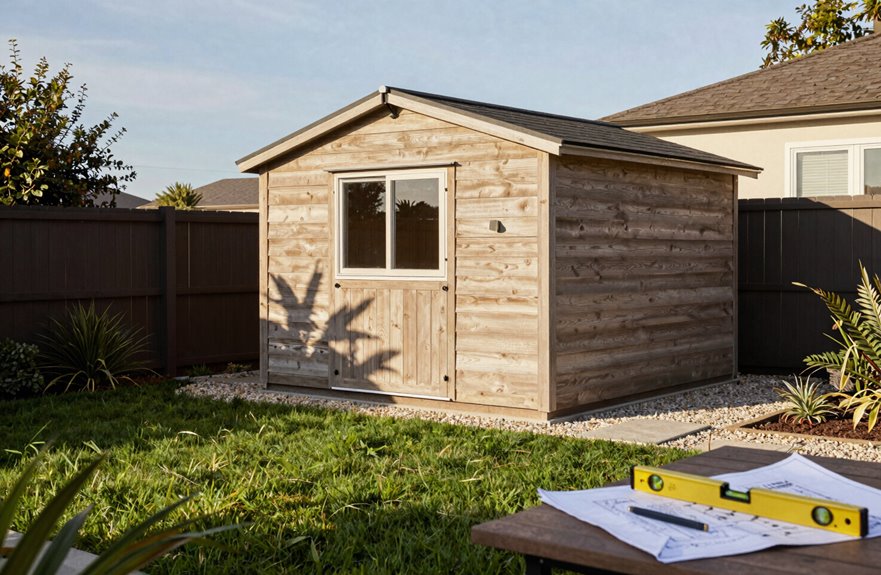
When you’re ready to pull that shed permit, you might find yourself staring at the application, unsure of what exactly is required. I’ve experienced this challenge, looking at forms that seem designed by engineers unfamiliar with practical construction.
What I’ve learned is that if your shed qualifies for exemptions—typically under 1,000 square feet—you won’t need much paperwork. However, once a shed permit is required, you will need to provide construction drawings. This includes floor plans detailing dimensions, footprints, and essential distances from property lines to demonstrate setback compliance.
My first submission was quite vague, leading the planning department to return it with a polite request for more detail. Now, I include electrical and plumbing diagrams if utilities are involved. Your permit application should contain specific information: precise measurements, a clear layout, and proof that you are not encroaching on your neighbor’s property line. Precision can save you from future complications.
What Happens If You Build a Shed Without a Permit in PA?
Why risk it? Construction without a permit in Pennsylvania can lead to significant complications.
Building without a permit in Pennsylvania invites unnecessary trouble—why take the chance?
Even if your shed is under 1,000 square feet and doesn’t require a building permit, local jurisdictions often require a zoning permit. Ignoring setbacks can have serious consequences. Neighbors have been forced to tear down perfectly good sheds due to overlooked details.
The penalties can be severe. Fines, mandatory removal, and the challenge of obtaining a retroactive permit can end up costing much more than doing it correctly from the start. Some individuals even face orders to relocate their entire structure.
Your homeowners association may also impose additional restrictions. Explaining to your family why the new shed is gone can be uncomfortable. It is important to secure your permits before you begin construction.
How to Apply for a Shed Permit in Pennsylvania: Step-by-Step
I learned the hard way that skipping permit research can lead to issues, so let’s walk through the actual application process. First, call your local jurisdiction. Rules vary significantly in Pennsylvania. Some towns require a zoning permit for any shed; others are only concerned if the shed is over 120 square feet. Ask specifically about setbacks, lot coverage, and whether electrical or plumbing installations require additional permits.
Next, gather your documents. Most offices want a simple floor plan showing dimensions and placement. Larger projects may require a full plan review. Here’s what to expect:
| Step | What You Need | Typical Timeline |
|---|---|---|
| 1. Contact zoning office | Property survey, shed size | Same day |
| 2. Submit zoning permit | Site plan showing setbacks | 1-2 weeks |
| 3. Apply for building permit (if needed) | Construction drawings | 2-4 weeks |
| 4. Schedule inspections | Approved permits, materials | Varies |
Always verify first. Tearing down a shed can be costly and time-consuming.