
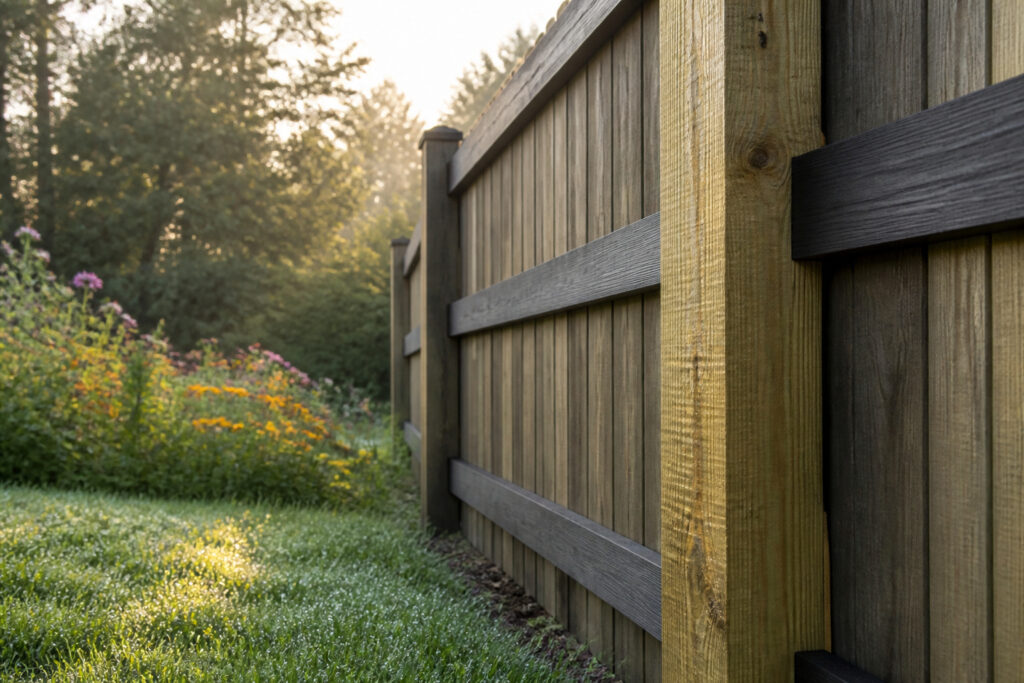
A backyard fence costs $6 to $55 per linear foot in 2026, with the final bill depending almost entirely on what it is built from and who does the building. Pressure-treated pine starts at $10 per foot for materials alone, while wrought iron opens at $30 and specialty steel privacy panels start at $50. The gap between bare chain link and custom composite is wide enough to hide a full kitchen remodel inside a mid-sized yard, so the material choice comes first. The second variable, labor, runs another $10 to $25 per foot unless the ground fights back with roots, slope, or a utility line you did not know was there.
Wood Fencing
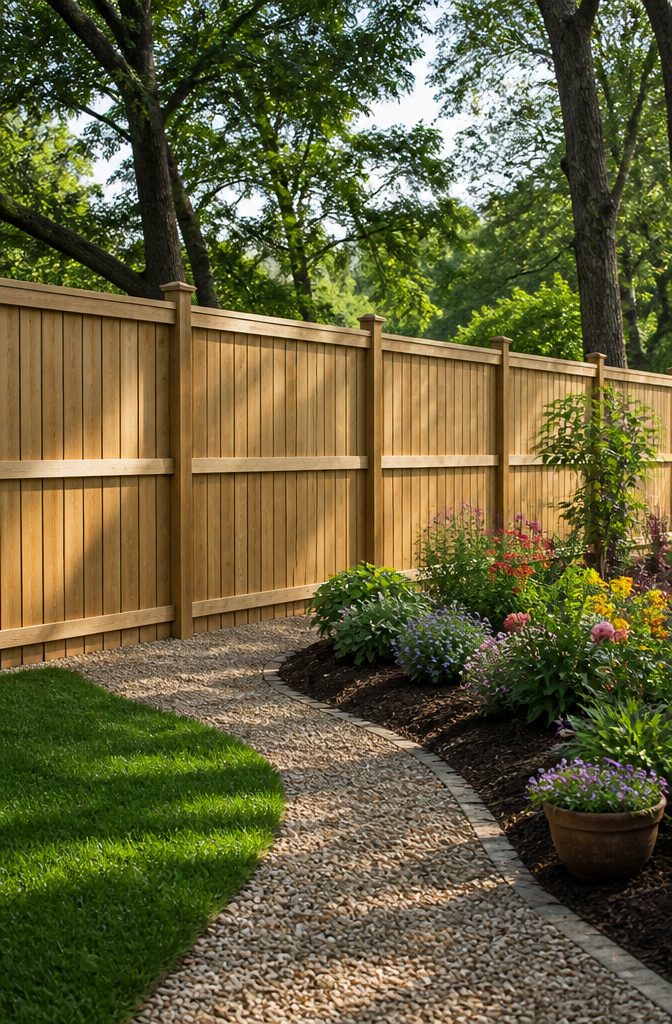
Pressure-treated pine runs $10–$20 per linear foot for materials alone, with cedar sitting at $20–$30. Installed, that pine fence climbs to $15–$25 per foot, while cedar jumps to $25–$35 and can push past $50 depending on who you hire and where you live.
Wood stays the default for first-time fence builders because the materials are familiar, the tools are basic, and a weekend with a post-hole digger feels like a real project you can actually finish. Cedar’s natural rot resistance means less worry about what happens three years in, though that upfront premium stings when you’re already buying a houseful of other things.
The hidden costs show up after the posts are set. Staining or sealing every two to three years runs another $3–$5 per linear foot each round, and skipping it shrinks a pine fence’s life from that promised 15–20 years down to something uglier. Sloped ground, rocky soil, or a root system you didn’t know about can tack on 15–20% before you’ve driven the first stake. Add lattice or decorative tops and you’re looking at $3–$8 more per foot for style you maybe didn’t budget for.
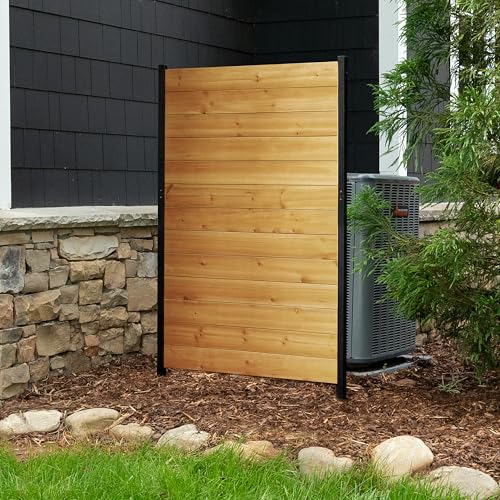
STYLISH NATURAL WOOD: This FSC certified wood screen is made with real wood meaning no two boards have the same grain color, finish, or wood knots differing it from vinyl outdoor privacy fence screen panels.

Weather-Resistant Materials: Made of 240 GSM high-density woven polyethylene, this privacy screen effectively blocks UV rays. It boasts tear-resistance and durability, and is not easy to fade or deform
Vinyl Fencing
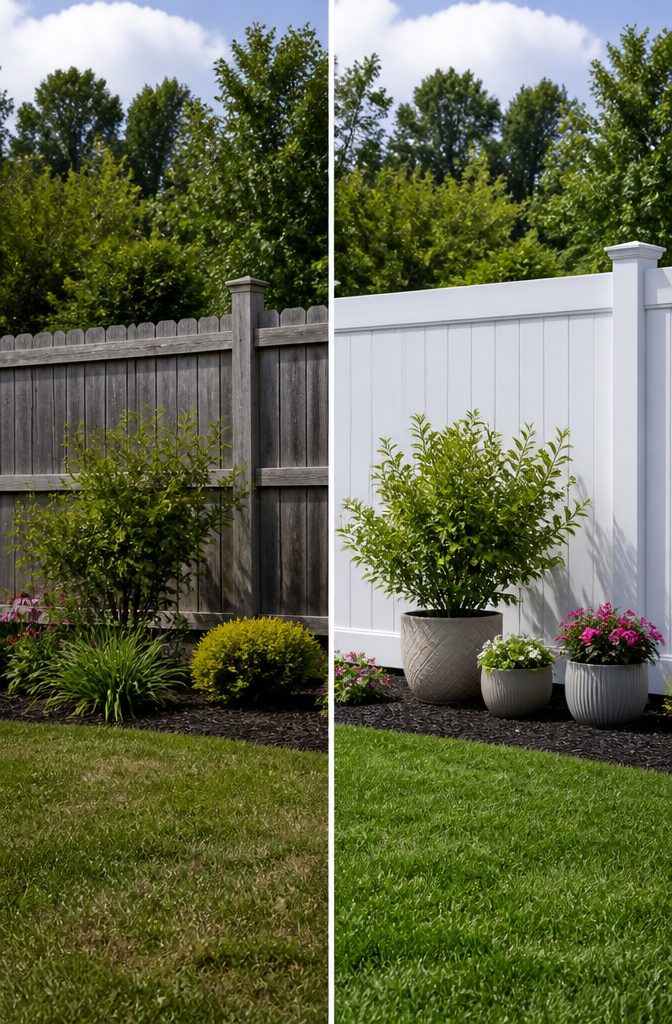
Vinyl fencing lands at $15 to $40 per linear foot, which puts it above wood on day one but changes the math over a decade. The spread is wide because the low end covers basic white picket panels in standard heights, while the high end brings in privacy-grade thickness, custom colors, or composite vinyl blended with reclaimed sawdust for a faux wood grain that costs more to mold.
Bob Vila’s numbers frame the decision well:
"The biggest benefits of a vinyl fence vs. a wood fence are how easy it is to maintain and how long it lasts in climates without extreme temperatures. Vinyl fences don’t require painting or sanding, and the boards rarely rot or warp."
That maintenance gap is where the premium pays itself back. A typical backyard runs 150 to 250 linear feet, putting most vinyl projects between $9,000 and $14,000 installed. Specialty colors or composite vinyl push 50% to 100% above that baseline, so the standard palette is where the value sits unless the HOA demands otherwise. For a weekend budget under a thousand dollars, vinyl is not happening; for someone staying put five-plus years and tired of restaining, the upfront sting softens fast.

EASY ORDERING: Everything you need for your fence project is in the box except for the final post. Only ONE additional post, BL19112, is required for the end of your project. A gate is available by searching BL19111.

STYLISH NATURAL WOOD: This FSC certified wood screen is made with real wood meaning no two boards have the same grain color, finish, or wood knots differing it from vinyl outdoor privacy fence screen panels.

Order is for a 4-Pack of fencing, giving a total of 32 feet of fencing in length
Aluminum Fencing
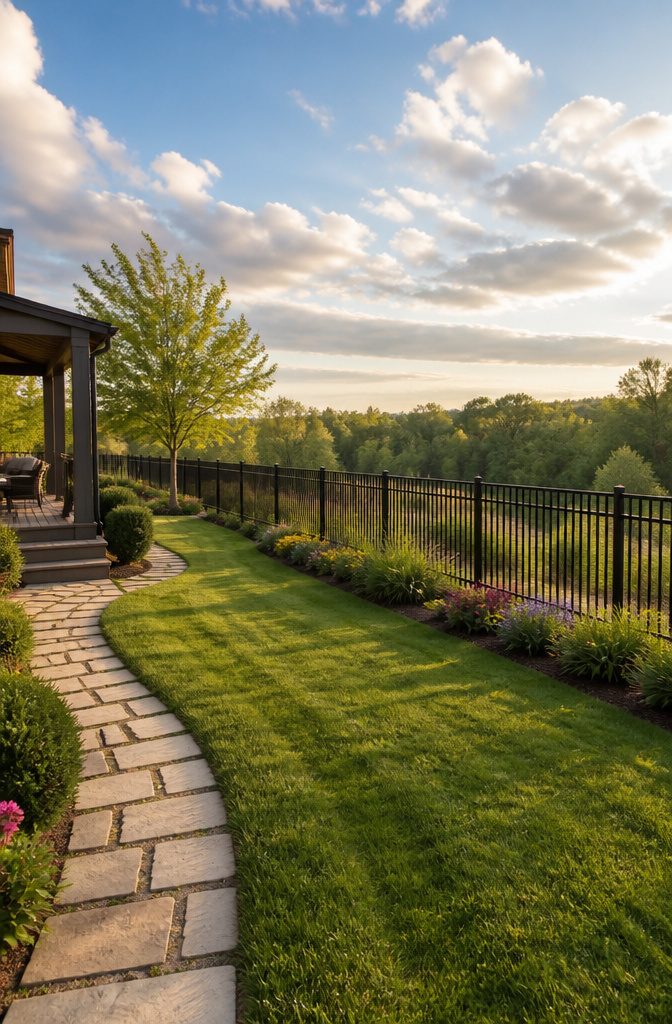
Aluminum fencing lands at $20 to $45 per linear foot for materials, which puts a typical 150- to 250-foot backyard project somewhere between $7,000 and $12,000 once installation is factored in. That middle pricing is where aluminum lives, and it is exactly why most people do not start here. They come in looking for wood because it is familiar, or vinyl because a neighbor has it. Aluminum sits in the gap between those two and steel, easy to skip over unless rust is the thing you are trying to solve.
The metal resists rust, needs almost no upkeep, and works for both open picket styles and full privacy panels. It does not rot like wood or warp in sun like cheaper vinyl can. What it also does not do is disappear into a yard the way natural materials do. Black aluminum has become the standard finish for a reason; it reads as deliberate, almost commercial, against green grass. That is the judgment call. If the house siding is already busy, aluminum fence lines can start to look like too many hard edges. If the architecture is clean and the goal is a crisp border that still lets light through, it makes sense.
Where aluminum does not fit is the hand-built aesthetic. You cannot stain it to match a deck, and a dent from a lawnmower or a kid’s bike stays dented. The cost sits high enough that doing it yourself does not save the kind of money it does with wood, so the weekend timeline most renters and first-home owners are working with gets complicated fast.


Sufficient Quantity: our product package includes 4 x Vinyl pocket rails; These are precision-crafted and come in an aesthetic white color adding value and elegance to your property; Trust our quality and design to provide your property with an attractive, durable and secure construction
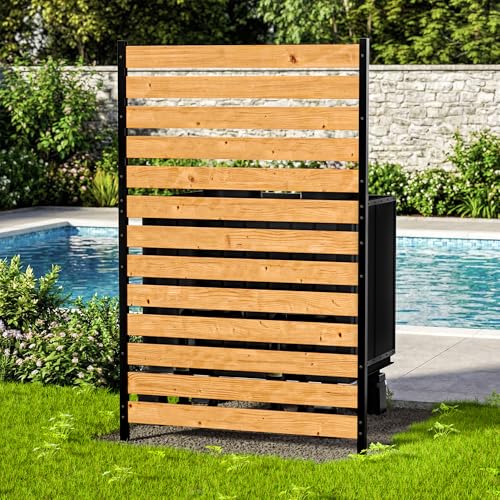
Real Wood & Aluminum Posts Our privacy fence is made with real wood, so no two boards share the same grain, color, finish, or knots—unlike vinyl outdoor privacy fence screen panels. Premium aluminum posts add strength and a refined look.
Composite Fencing
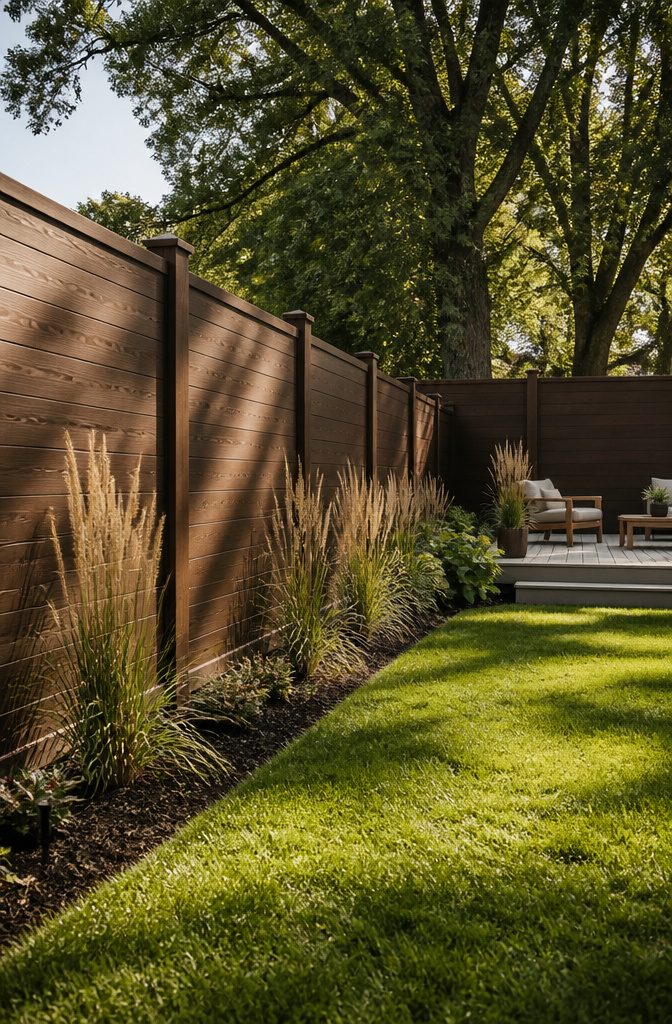
Composite fencing sits in a price bracket that makes most weekend renovators pause: $25 to $50 per linear foot, installed. That puts it shoulder-to-shoulder with premium cedar or redwood, not with the pressure-treated pine most people default to. The material itself is a blend, typically recycled wood fiber and plastic, sometimes with sawdust mixed in. The manufacturers promise the look of wood without the rot, the splitting, the annual staining ritual.
What sold me, reading through a dozen contractor threads and cost breakdowns, was the maintenance math. No warping, no insect damage, no replacement boards after five years. For a fence you intend to live with for a decade, that stability starts to justify the upfront cost.
The value proposition breaks down in two places. First, the price range itself is wide enough to hide some traps. The lower end of that $25–$50 band usually means thinner profiles, shorter warranties, colors that fade unevenly. Second, composite does not forgive a sloppy install. Sloped terrain, rocky soil, or aggressive root systems add 15% to 20% to the total, same as wood, but composite panels are harder to trim on-site without exposing the inner core to moisture. A cut end that is not sealed properly becomes a wick.
For a flat yard and a straightforward rectangular run, composite is a defensible splurge. The moment the lot gets complicated, the labor premium eats the material advantage.

Perfect Fit & Easy Installation: Our Privacy Screen Fence measures precisely 5' x 50', making it a perfect fit for fences 5 feet or slightly taller. It can be easily installed on chain link fences, existing cyclone wire fences, wooden retaining walls, welded wire fences, and more. For easy and secure installation, we've included grommets placed vertically every 1 foot and horizontally every 2 feet, with 4 grommets at each corner. We also provide 80 zip ties for added convenience.

Includes a roll of chain link fence slats tape ,200 fasteners and punch tool

Enhanced Security: Enjoy increased privacy and protection with chain link fencing Tape (Material Depth 0.52 mm); easily integrate privacy fence tape for a more secluded outdoor space
Chain Link Fencing
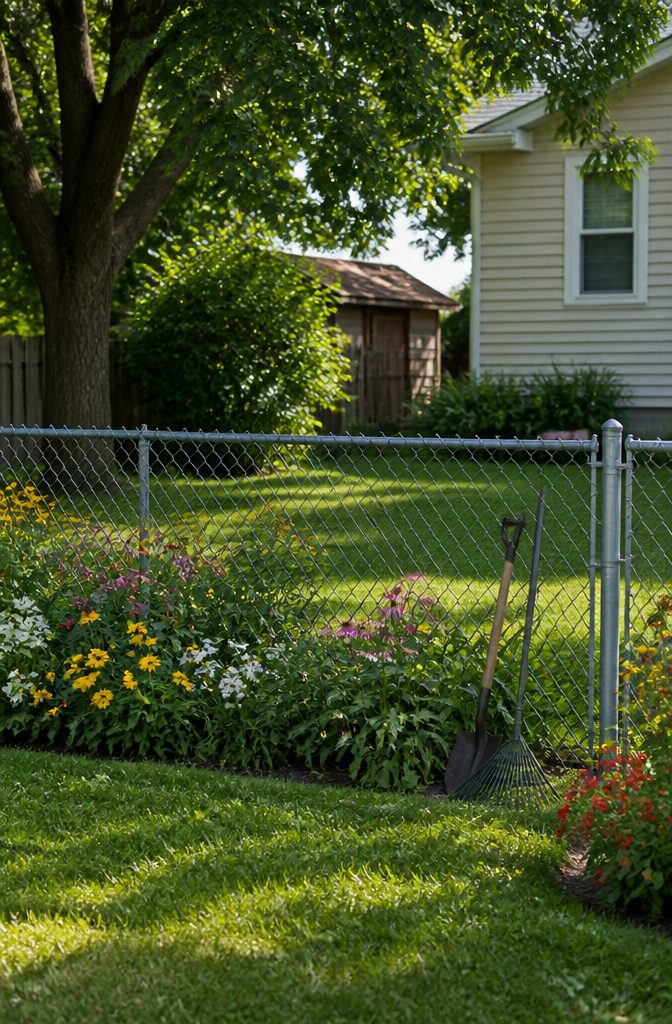
Chain link sits at the bottom of the price ladder for a reason that matters more than looks. $6 to $30 per linear foot covers everything from bare galvanized wire you tension yourself to powder-coated panels with professional install, and that spread is why the material refuses to disappear. At the low end, you’re buying mesh and posts from a home center and setting them in a Saturday. At the high end, you’re paying for coated color, thicker gauge, or a sloped yard that eats labor because every cut turns non-standard.
The honest knock against it is the one you’ve already heard. Chain link does not dress up. No lattice top, no paint transformation, no architectural detail to speak of. What you get is containment: kids, dogs, boundary line, done. The galvanized or vinyl-coated steel lasts decades with almost nothing from you, which is exactly why landlords and first-time buyers still call for it when the goal is function on a tight weekend budget.
If your yard is flat and your gate is standard, this is the project that stays cheap. Start adding slope, a custom walk-through width, or hardware for security features, and the labor climbs fast. The fence itself stays inexpensive; the conditions around it do not.

WHAT'S INCLUDED: 6 Panels+7 Stakes in a bundle. Each fence panel is 42”(H) x 24”(W), each stake height is 46.9 inches, linear length 12 feet, Black color.

WHAT'S INCLUDED: 10 Fence Panels+11 Stakes in a bundle. Each fence panel is 18 inch (H) x 24 inch (W), each Stake ‘s height is 24 inches, linear length 20 feet, Black color.

WHAT'S INCLUDED: 5 Panels+6 Stakes in a bundle. Each fence panel is 30 inch (H) x 24 inch (W), each stake height is 37.5 inches, linear length 10 feet, Black color.
Wrought Iron Fencing
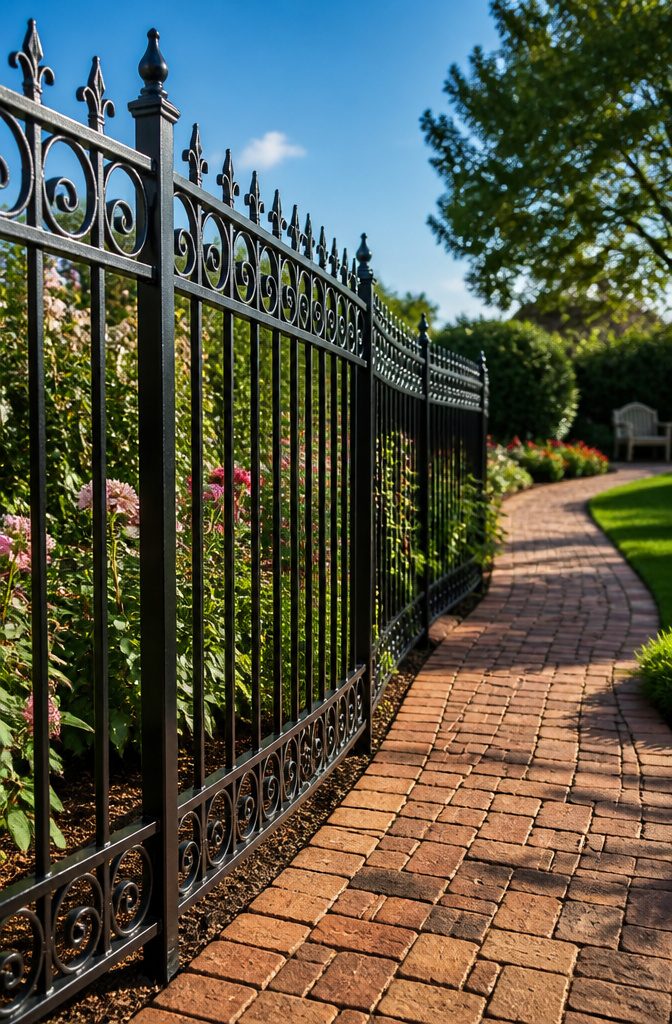
Wrought iron fencing runs $30 to $55 per linear foot, with most homeowners landing somewhere in the middle unless they are chasing something genuinely ornate. That figure covers the panels, posts, and the labor to set them, which is not a weekend job for most of us. The metal arrives powder-coated or painted, but rust-inhibiting spray needs reapplication every few years or the whole investment starts bleeding orange.
Modern wrought iron is almost always steel, not hand-forged iron, but the look holds: narrow vertical bars, decorative finials, the suggestion of a estate even on a modest lot. The price climbs fast when you step past standard pickets into custom scrollwork, arched gates, or anything that requires a welder on site rather than a crew bolting prefab sections together. Curved alignments and sloped ground make every cut non-standard, and the math stops being linear.
A plain pedestrian gate keeps the budget honest. Start adding electric strike plates, intercoms, or 110-volt lighting and you are hiring an electrician and watching the project scope creep into territory that has nothing to do with the fence itself. For a first home or a rental you plan to hold a few years, wrought iron is a statement that costs like one. The same money buys a lot more privacy in wood or vinyl. What you are paying for here is visibility, not screening; the neighbor’s view into your yard stays intact.

Privacy Solution: Most economical way for privacy over chain link fence, porous decorative concealment, existing cyclone wire fence, wood retaining wall, welded wire fence, chain link fence, privacy barrier around swimming pool, block nose neighbor see through, add privacy to acre back yard backdrop, front yard, patio, garden and porch; hide street, road, construction site, pet kennel pen, block surrounding noise and street view, stops dogs from barking at neighbors.

DIMENSIONS: Each panel measures 24" W x 24" H. One box comes with 6 total linear feet of white vinyl picket fence for your garden.

Carbonized for Extra Strength & Longevity – Treated with high-temperature carbonization, each bamboo stick gains a deep brown color and enhanced durability. This process protects the fence from cracking, rotting, and insects for long-term outdoor use.
Specialty Fencing
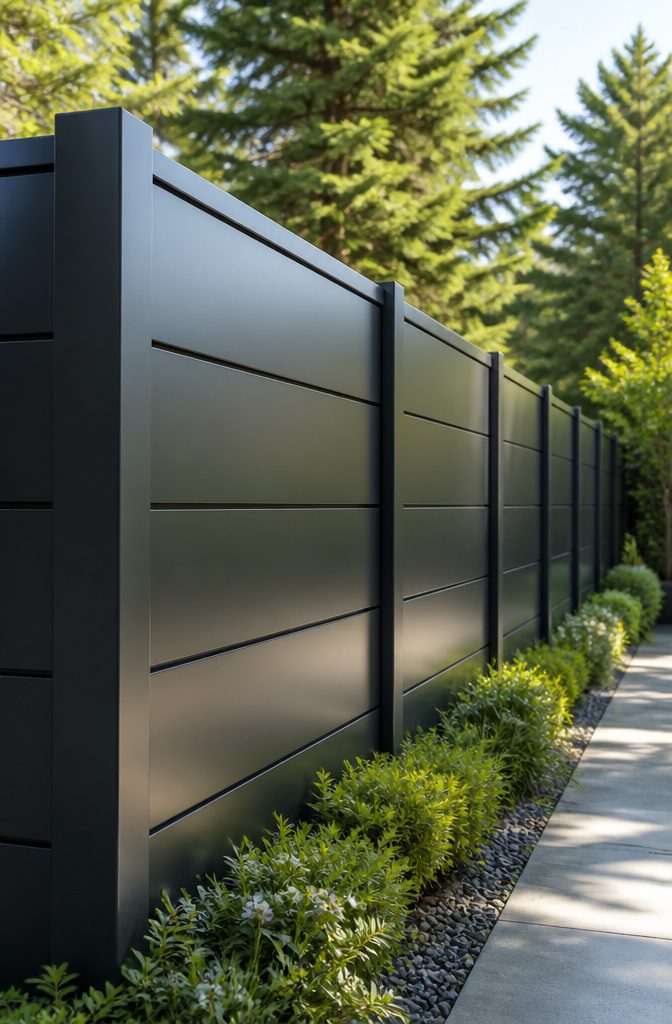
Most backyard fences never need to touch this territory. $50 per linear foot is where steel privacy panels start, and specialty composite or custom-colored vinyl can run 50% to 100% above standard pricing. What pushes a project into this bracket is usually a specific problem: a pool code that demands unclimbable height, a corner lot where the fence is the architecture, or a homeowner who simply wants the fence to outlast the mortgage.
The math turns fast. A 150-foot run at $50 runs $7,500 in materials alone, and that is before posts, hardware, or the rental auger you will need for steel posts. For comparison, a standard cedar privacy build on the same yard lands closer to $8,000 to $13,000 installed, which tells you where the labor goes on steel.
I have looked at the all-steel kits that ship with every panel, post, rail, and U-channel in one box. They are straightforward to assemble if you are handy and patient, but the weight is real and the tolerances are tight. One slightly off post throws the whole run. Most renters and first-home owners I picture reading this are better served by the standard materials covered earlier. Specialty fencing earns its place when the situation demands it, not when the catalog makes it look tempting.

DIMENSIONS: Each screen measures 47in H x 48.125 W

PET & CHILD SAFE: Create a safe outdoor play area for fur babies and children. Rest assured that this fence will create a sturdy barrier to protect your family.

DIMENSIONS: Each panel measures 32” H x 48” W
What Drives the Total Price
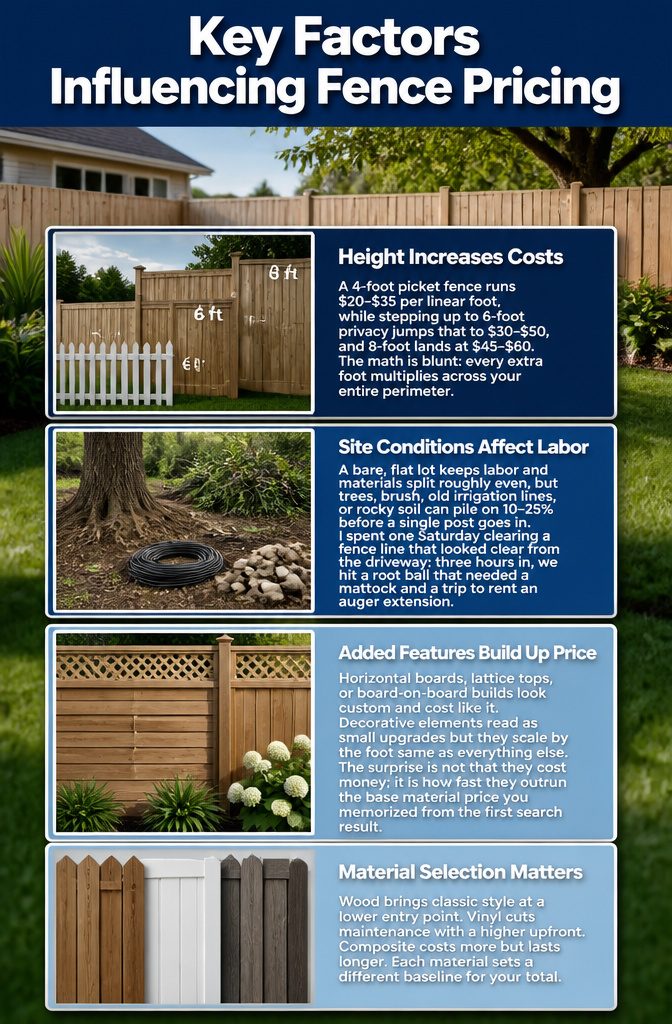
Material choice grabs the headline, but height and linear footage are what quietly double the bill. A 4-foot picket fence runs $20–$35 per linear foot, while stepping up to 6-foot privacy jumps that to $30–$50, and 8-foot lands at $45–$60. The math is blunt: every extra foot multiplies across your entire perimeter.
Site conditions are where first-timers get ambushed. A bare, flat lot keeps labor and materials split roughly even, but trees, brush, old irrigation lines, or rocky soil can pile on 10–25% before a single post goes in. I spent one Saturday clearing a fence line that looked clear from the driveway; three hours in, we hit a root ball that needed a mattock and a trip to rent an auger extension.
Added features stack too. Horizontal boards, lattice tops, or board-on-board builds look custom and cost like it. Decorative elements read as small upgrades but they scale by the foot same as everything else. The surprise is not that they cost money; it is how fast they outrun the base material price you memorized from the first search result.

Backyard Privacy Enclosure: Our vinyl fence panel set includes 3 panels measuring 50 x 50 in, ideal for concealing outdoor items like trash bins, pool equipment, and air conditioners, keeping your backyard neat and attractive while meeting HOA guidelines

DIMENSIONS: Each panel measures 45"H x 36" W
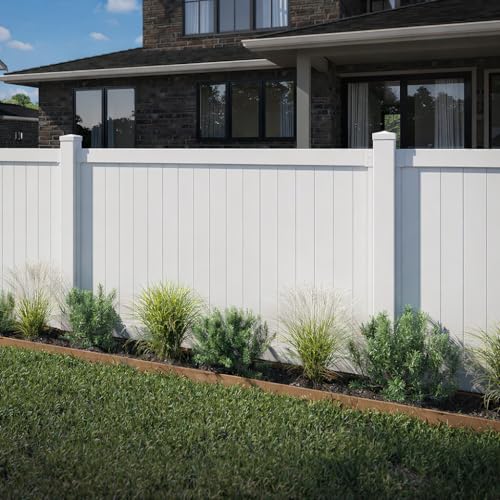
FINISHING POST REQUIRED: This vinyl fence is designed to scale, so you will need to order a finishing post to complete your yard fence or pool fence project (item BL19042). A compatible gate is available by searching BL19106.
DIY or Hire It Out
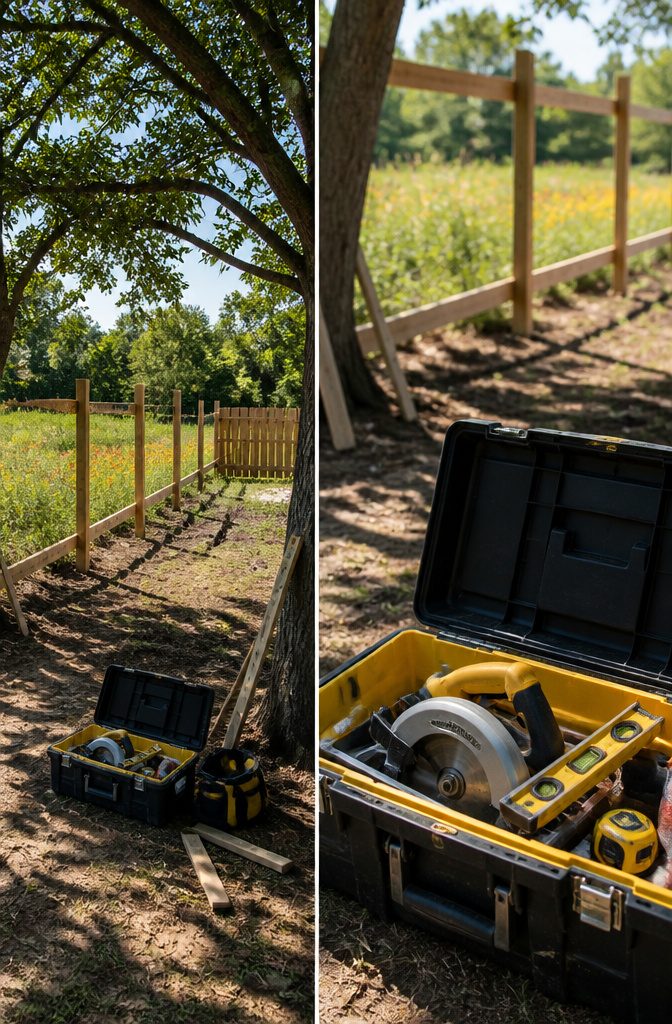
Labor eats about half the budget on most fence jobs, so doing the work yourself is the first place people look to save. DIY trims 30–50% off the total, which on a mid-sized yard can mean keeping a thousand dollars in your pocket instead of handing it to a crew. The trade is time and tolerance for error. A professional team knocks out 200 linear feet in under four days; my first solo attempt took double that, and the posts still leaned enough that I had to pull two and start over. Tool rental or purchase adds another $200–500, and if the yard slopes or the soil fights every hole, that weekend project stretches into a month of Saturdays.
Hiring out runs roughly $10–$25 per linear foot for labor alone, but the money buys speed, insurance coverage, and a warranty if the fence shifts after the first freeze. Chain-link is forgiving enough that a determined beginner can manage it; metal fencing, in my view, belongs to crews with the right saws and the patience to keep panels level across uneven grade. I have paid for both, and the jobs I contracted out are the ones I still do not have to think about.

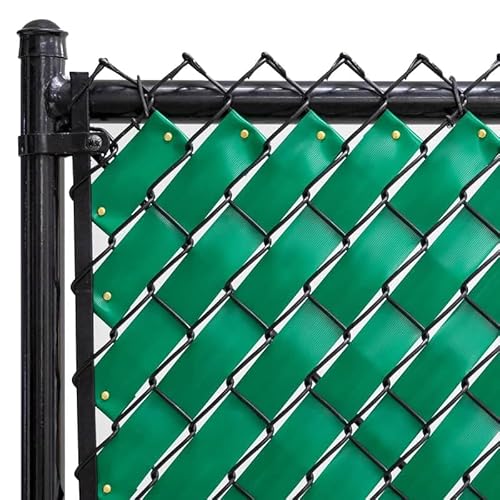
Enhanced Security: Enjoy increased privacy and protection with chain link fencing Tape (Material Depth 0.52 mm); easily integrate privacy fence tape for a more secluded outdoor space

Heavy Duty Black Coated Construction: Made from 9 gauge low-carbon steel wire with a classic 2-inch diamond mesh pattern. The black vinyl coating adds an extra layer of protection while giving the fence a sleek, professional look that blends seamlessly into gardens, backyards, and landscaping.
Permits and Code Surprises
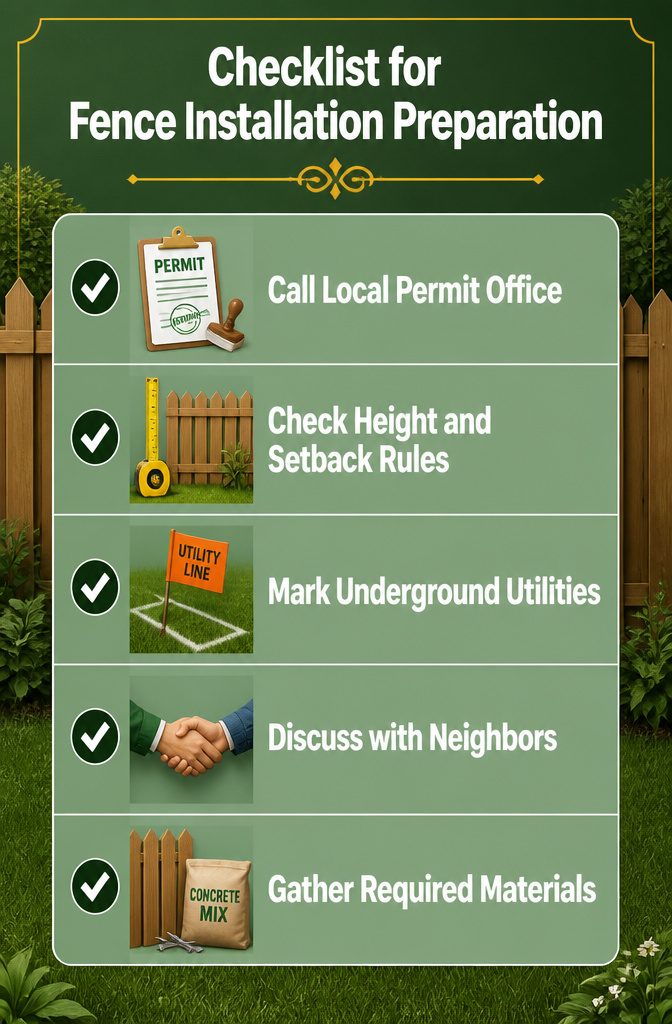
Permits run anywhere from $50 to $500, depending on the municipality, and the only reliable way to know your number is to call your local building department before a single post goes in. Height limits, setback rules, and even approved materials vary block by block in some metro areas, and contractors sometimes pull the permit themselves while other towns make the homeowner do it.
Underground utilities are the surprise that can stall a weekend project cold. Power and gas lines run below most suburban yards now, and hitting one turns a Saturday job into an emergency call. Local power companies will mark those lines for free, but working around them, rerouting a post hole six inches left or right, adds labor time and sometimes a few extra materials.
Neighbors complicate things further. A fence sitting right on the property line can trigger shared-cost rules or written agreements in some jurisdictions, and starting construction without that conversation tends to make the permit process harder later, not easier. The practical move is checking requirements, marking utilities, and confirming the line with whoever lives next door, in that order, before any concrete gets mixed.

WHAT'S INCLUDED: 1 Gate + 4 Panels + 6 Stakes in a bundle. Gate sized 41” (H) x 27.5” (W), each Fence Panel sized 42"(H)x27.5"(W), the linear length 11.5 feet, Black color.

✔ INCREASE YOUR PROPERTY BEAUTY AND VALUE - Patented SecureSnap assembly- Our KNOCK-DOWN - un-assembled design enables you to assemble a fence panel in the matter of minutes

WHAT'S INCLUDED: 1 Gate + 5 Panels + 7 Stakes in a bundle. Gate sized 41”(H) x 24”(W), each Fence Panel sized 42"(H) x 24"(W), each stake height 46.9 inch, the linear length 12 feet, Black color.
Maintenance Costs Over Time
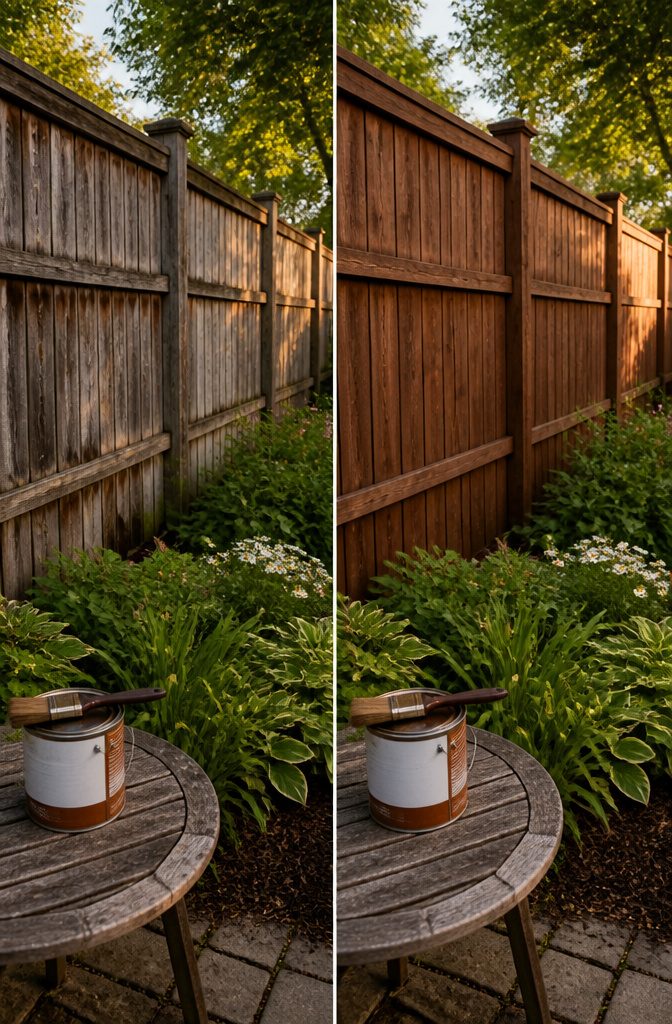
The true cost of a backyard fence only shows up years after the posts go in. Pressure-treated pine looks cheap at $12–$18 per linear foot installed, but that same fence needs staining every 1–2 years at $3–$5 per foot each time. Boards warp and split, and within 5–10 years you are replacing whole sections. A 150-foot cedar fence runs $25–$35 per foot upfront, and over a decade the maintenance adds another $7,500–$11,250 once you count staining every 2–3 years. Staining every few years turns wood into a subscription you did not sign up for.
Vinyl sits at the opposite extreme. The boards do not rot or warp, the color is baked in, and the maintenance is essentially a hose-down. Installation runs $10–$40 per linear foot, and that number is close to the lifetime number.
Metal splits the difference. An all-steel fence kit costs more than pine at the start, but over 15 years it runs 30–40% cheaper because the upkeep is zero. No staining, no replacement boards, no weekend with a sprayer. The calculation that matters is not the day-one invoice; it is the cost per year you actually own the thing. For a fence you plan to keep, the material that asks nothing of you after installation usually wins.
Frequently Asked Questions
How much does a privacy fence cost?
A privacy fence for a standard 150- to 200-foot backyard typically runs $3,000 to $8,000 installed. Most residential privacy fences land between $15 and $50 per linear foot, with the final number coming down to material choice and whether you hire out installation or handle it yourself.
What is the cheapest option for a privacy fence?
Pressure-treated pine is the cheapest upfront material at $10–$20 per linear foot for materials alone, or $15–$25 installed. Chain link is even cheaper at $6–$30 per linear foot, though it does not provide actual privacy since it is open mesh.
How long does it take to install a privacy fence?
A professional crew can knock out 200 linear feet in under four days. A determined DIYer should plan on one to two weekends for a simple wood or chain-link job, but sloped ground, rocky soil, or a first attempt can stretch that into a month of Saturdays.
What factors affect the cost of a fence?
Material, height, and linear footage are the big three, with every extra foot of height multiplying across your entire perimeter. Site conditions like trees, brush, rocky soil, or old irrigation lines can add 10–25%, and decorative touches like lattice tops or board-on-board builds scale by the foot just like everything else.