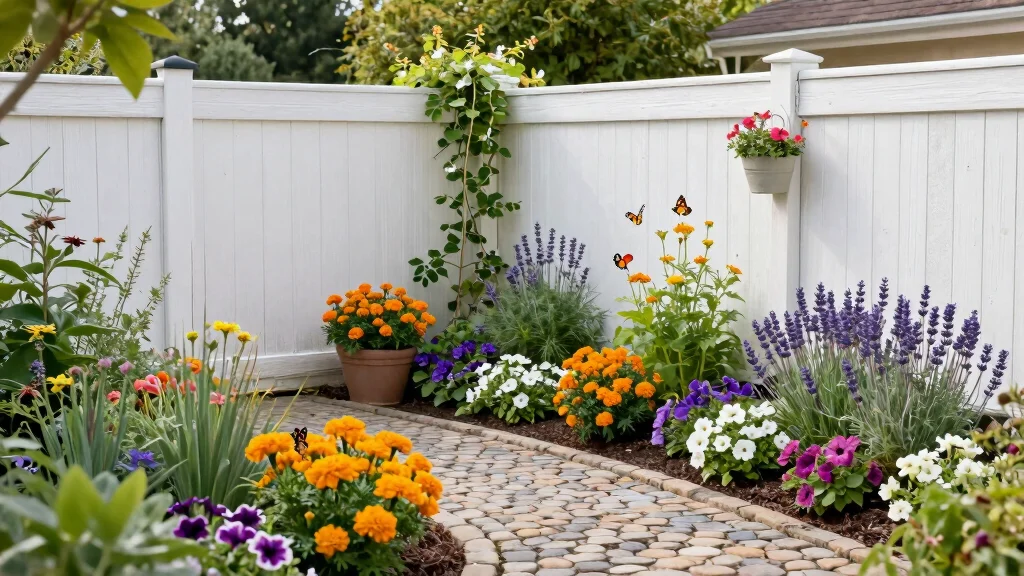
Creating a beautiful outdoor space is something that many of us crave, especially when the weather warms up. This time of year always reminds me of the vibrant colors and fresh scents of blooming flowers. If you’re someone who loves gardening or simply wants to enhance your home’s curb appeal, this post is for you. I’ve gathered 15 border garden ideas along fences that will help you transform your outdoor area into a lush, inviting retreat.
In this post, you’ll discover a variety of creative ways to design border gardens that not only beautify your space but also complement your fencing. From vertical succulent walls to colorful flower beds and even edible landscapes, you’ll find ideas that fit your personal style and gardening skill level. Whether you’re a seasoned gardener or just starting out, these tips will inspire you to get your hands dirty and bring life to your outdoor space.
Let’s dive into the world of border gardens along fences, where you can turn a simple boundary into a vibrant showcase of nature. You’ll walk away with practical ideas and inspiration to create your own unique garden that reflects your personality and enhances your home’s charm.
Key Takeaways
– Diverse Options: Explore a range of border garden ideas from vertical succulent walls to colorful flower beds, catering to different preferences and spaces.
– Easy Implementation: Many of the ideas are simple to set up, making them perfect for both novice and experienced gardeners looking to enhance their outdoor spaces.
– Edible and Decorative: Incorporate edible plants alongside decorative ones to create a functional and beautiful garden that adds value to your home.
– Seasonal Displays: Consider designing your border gardens with seasonal plants to ensure ongoing color and interest throughout the year.
– Personalization: Each idea can be tailored to fit your unique style, enabling you to create a garden that truly reflects your personality and enhances your outdoor living area.
1. Vertical Succulent Wall
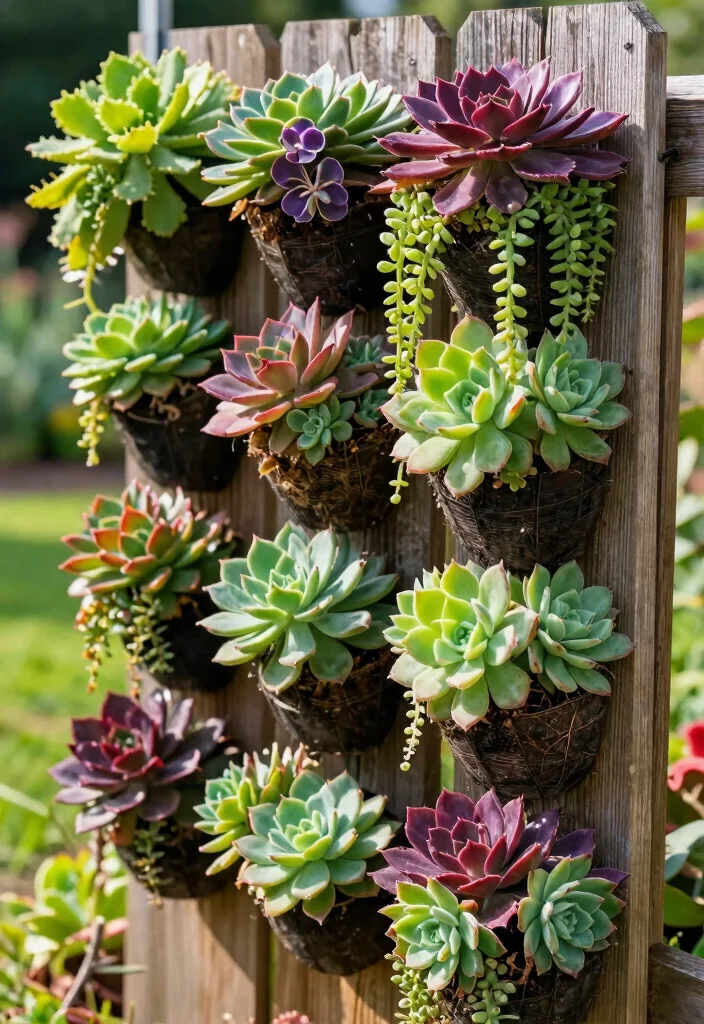
Transform your fence into a vertical oasis with a stunning succulent wall. This design not only saves space but also introduces a vibrant array of textures and colors to your garden. By layering various succulents, you create a feast for the eyes that remains low-maintenance. Consider using wooden pallets or stylish hanging planters to elevate the display while allowing for easy access.
To successfully implement this idea, focus on selecting succulents that are well-suited to your climate. Ensure the setup has adequate drainage to keep your plants thriving and group varieties with similar needs together for optimal growth.
Consider these tips to enhance your succulent wall:
– Pair different textures and colors for visual interest.
– Install drip trays to catch excess water.
– Use wall-mounted planters for a chic look.
With a little creativity and care, your succulent wall will become a captivating centerpiece in your outdoor space.
Fun fact: A vertical succulent wall can fit 40% more plants in the same fence space than traditional border gardens along fence, while using 30% less soil and water. Pro tip: start with modular pallets to simplify access.
2. Colorful Flower Beds
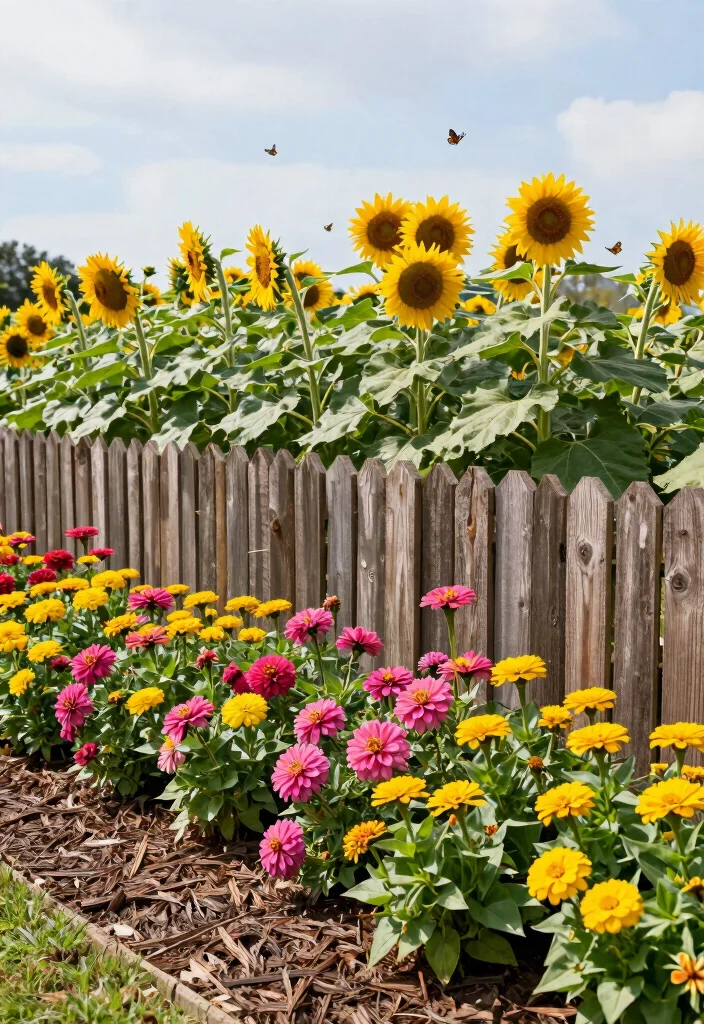
Brighten your yard with vibrant flower beds that bring life and color to your fence. Mixing various flowers creates an ever-changing display throughout the seasons, bringing joy and beauty to your outdoor experience. Choose impactful blooms like dahlias, zinnias, and sunflowers to ensure a cheerful atmosphere. Arrange similar colors together for a harmonious look or mix shades for a playful feel.
To create stunning flower beds, consider planting taller varieties at the back and shorter ones in front for depth. Adding ornamental grasses introduces movement and texture, while decorative stones can help define the space.
Explore these design ideas:
– Incorporate perennial flowers that return each year.
– Use mulch to suppress weeds and retain moisture.
– Include seasonal blooms for ongoing color.
This approach not only enhances your garden’s aesthetic but also attracts beneficial pollinators, enriching the ecosystem around you.
3. Herb Garden Fence Border
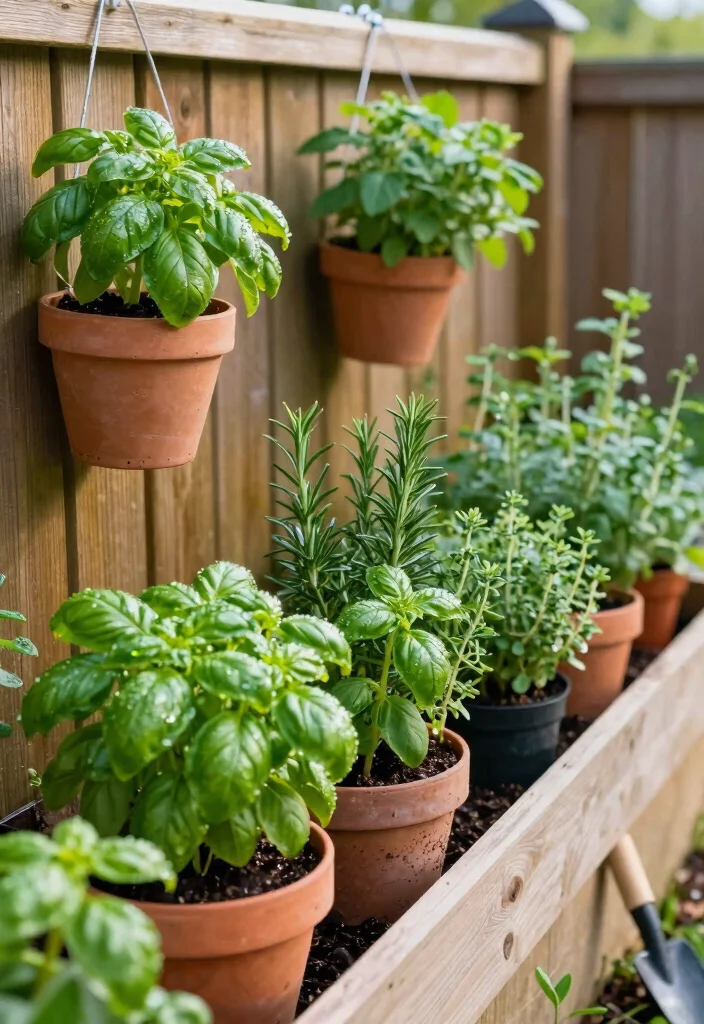
Combine functionality and beauty by planting an herb garden along your fence. Herbs like basil, thyme, and rosemary flourish in sunny locations, making them perfect for this setup. This aromatic border not only beautifies your space but also elevates your culinary adventures. Utilize decorative pots or vertical planters to maximize both aesthetic appeal and space efficiency.
With an herb garden, you’ll enjoy fresh flavors right at your fingertips. The delightful scents will fill the air, creating an inviting atmosphere. Plus, many herbs attract beneficial insects that support a healthy garden.
Here are a few benefits of creating an herb garden:
– Enjoy homegrown herbs for your favorite recipes.
– Create a fragrant border that enhances your yard.
– Encourage pollinators and beneficial insects.
With just a little care, your herb garden can be both visually stunning and a delightful addition to your cooking.
Fun fact: border gardens along fence can turn a sunlit edge into an edible backdrop, yielding up to 3–4 cups of fresh herbs weekly in peak season. Keep basil, thyme, and rosemary in decorative pots for easy harvests and flair.
4. Climbing Plants for Vertical Interest
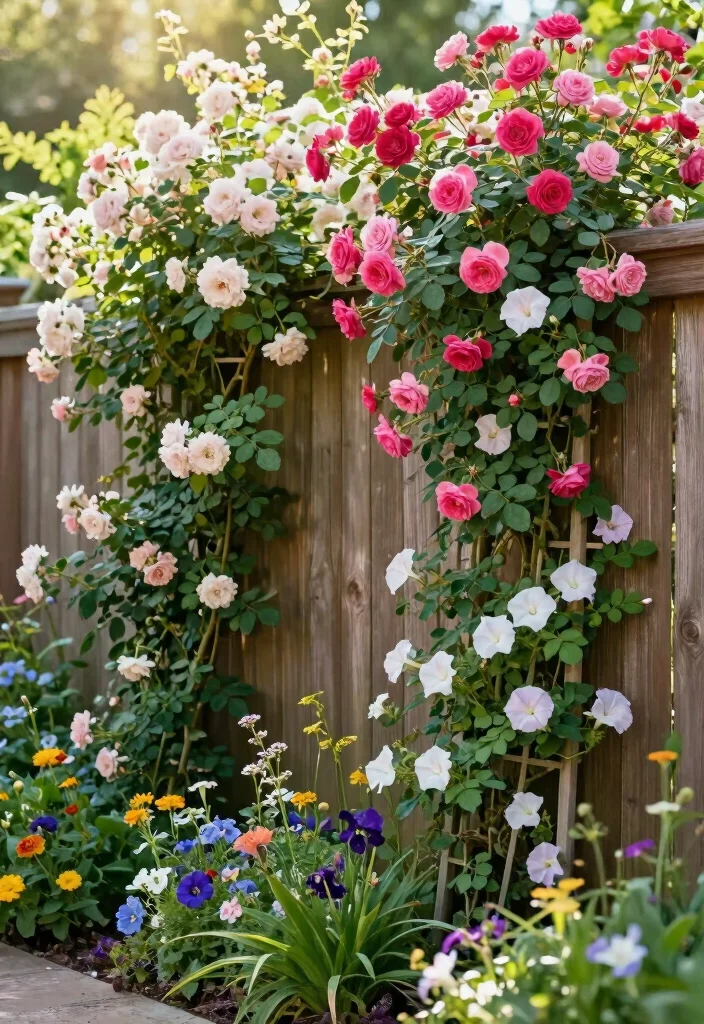
Introduce vertical interest to your garden design by incorporating climbing plants along your fence. Varieties like clematis, morning glories, and climbing roses can transform any ordinary fence into a lush, living display. These plants can be trained to grow upward, adding depth and greenery that captivates the eye. For a romantic ambiance, pair climbing roses with white trellises for an elegant touch.
When growing climbing plants, ensure your fence is sturdy enough to support their growth. Regular pruning and training will help achieve optimal coverage and shape. Pair these climbers with perennial flowers at the base to create a vibrant scene.
Follow these growing tips for success:
– Make sure to plant climbers in well-drained soil.
– Choose a variety of flowering and foliage types for diversity.
– Ensure ample sunlight for robust growth.
The combination of climbing plants and flowers creates a stunning layered effect, enriching your outdoor space.
How To Choose The Right Border Gardens Along Fence
Choosing the perfect border garden for your fence can elevate your outdoor space. Here are some key points to consider when planning your vertical garden:
1. Assess the Space
Begin by measuring the area along your fence. Consider the length, height, and width of the available space. This helps you determine how much soil, plants, and materials you need. Make sure there’s enough sunlight as well. Most plants thrive in at least 6 hours of direct sunlight daily.
2. Select the Right Plants
Choose plants based on your climate and exposure. For sunny spots, consider colorful annuals and perennials. If you have partial shade, opt for ferns or hostas. You might also include climbing plants like vines which add vertical interest. Mixing textures and colors creates a lush layered look.
3. Plan for Maintenance
Some gardens require more care than others. If you’re busy, consider plants that are drought-resistant or low-maintenance. Perennials are fantastic as they return each year with little help. Decide how much time you can dedicate to watering, pruning, and fertilizing.
4. Consider the Border Design
Think about how you want the border to look. A clean line of plants or a more natural flow can change the vibe of your garden. Vertical garden ideas like trellises or wall planters can save space while adding beauty. Make sure your design complements the style of your home.
5. Budget Wisely
Set a budget before you start purchasing plants and materials. Remember to account for soil, tools, and any decorative elements. Shopping at local nurseries might save you money, and sometimes you can find great deals on plants in the off-season.
6. Incorporate Features
Think about adding features like garden art, decorative fencing, or even lights. These elements enhance the visual appeal of your border garden. Integrating art can bring personality and interest to your space. Make sure any additions don’t overshadow the plants themselves.
Pro Tip:
Start small! It’s often easier to expand as you learn what works best in your space. Begin with a few plants and gradually build your border garden as you discover your preferences and the plants’ needs. This approach allows you to adapt and enjoy the process without feeling overwhelmed.
5. Natural Wood Planters
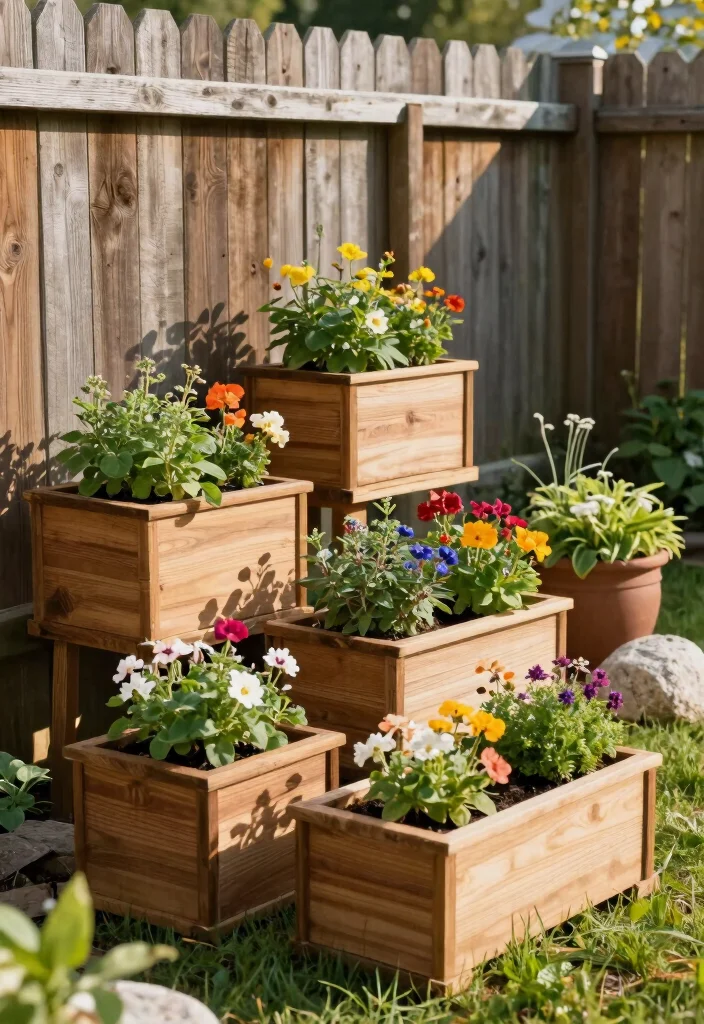
Enhance your border garden’s charm with natural wood planters along your fence. These rustic containers can hold a variety of flowers or even vegetables, contributing to a warm and inviting atmosphere. The contrast between the natural wood and vibrant plants creates a harmonious and appealing look. Experiment with different heights and sizes of planters to add depth and visual intrigue.
For a sustainable option, consider using reclaimed wood to craft your planters. Staggering planter heights adds dimension, while different shapes can create a playful garden display.
Consider these suggestions for your planter designs:
– Use weather-treated wood to ensure longevity.
– Fill planters with colorful, seasonal plants.
– Incorporate drainage holes to keep plants healthy.
Natural wood planters bring warmth and personality to your border garden, making it an inviting space for relaxation and enjoyment.
6. Trellis and Vertical Garden
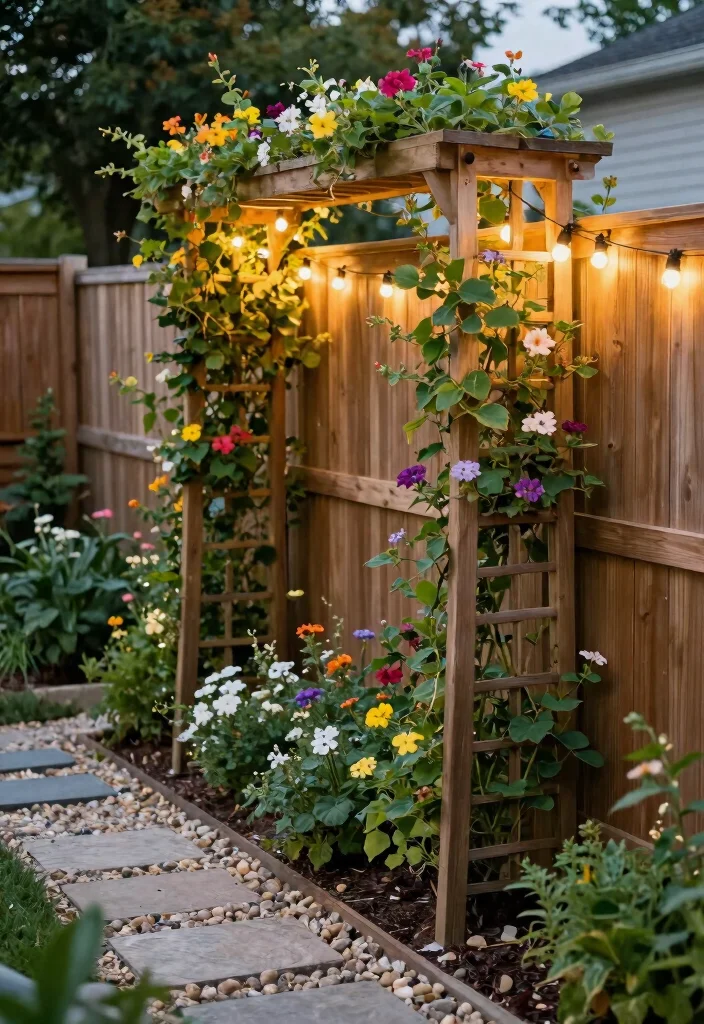
Elevate your gardening game by incorporating a trellis along your fence to create a stunning vertical garden. A trellis not only supports climbing plants but also adds architectural beauty to your yard. You can grow a diverse mix of plants, from flowering vines to vegetables, depending on your preferences. For a magical evening atmosphere, consider adding string lights to your trellis setup.
When selecting a trellis, choose one that complements your fence’s style for a cohesive look. Planting complementary species will create a unified appearance, while seasonal blooms can ensure color throughout the year.
Explore these design considerations:
– Ensure your trellis is sturdy enough for climbers.
– Choose a variety of plants for visual interest.
– Use vertical space creatively with cascading vines.
This setup not only maximizes your garden space but also transforms an ordinary fence into an extraordinary feature.
7. Mixed Border Garden
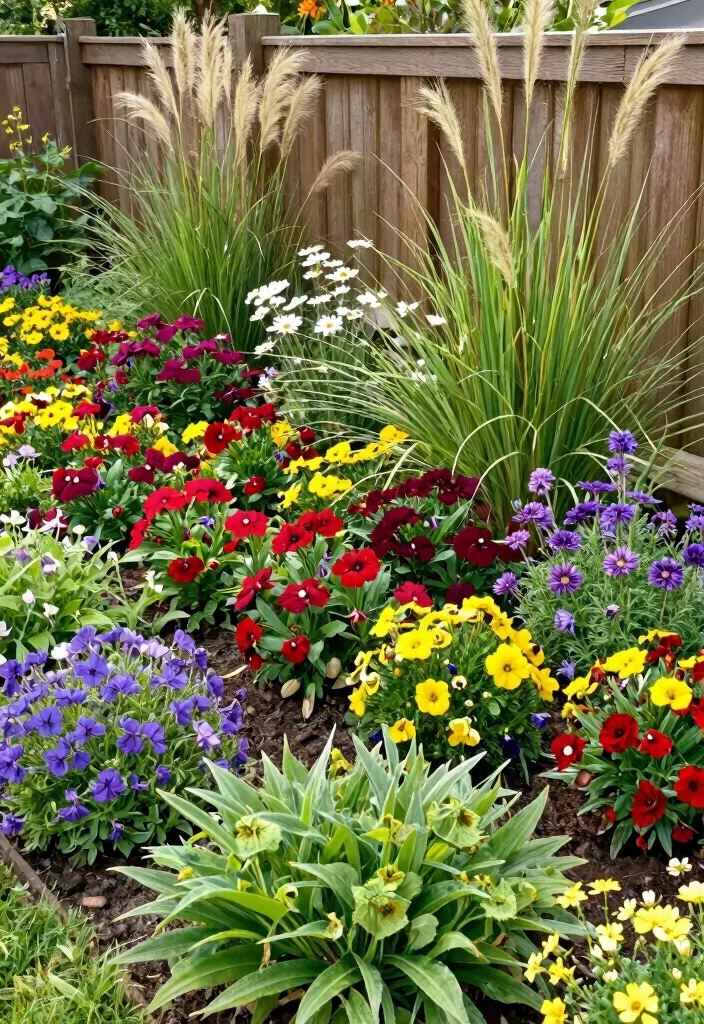
Create a captivating mixed border garden by blending perennials, annuals, and ornamental grasses along your fence. This design offers a vibrant tapestry of colors, shapes, and textures that keep your garden lively throughout the seasons. You can choose a specific color scheme or let nature’s palette inspire your planting choices! Mixing heights and forms adds depth and drama to the entire space.
To achieve a stunning mixed border, plant in clusters for a more natural arrangement. Incorporating a variety of heights will create a layered effect, while selecting plants that bloom at different times ensures ongoing interest.
Consider these tips for creating your mixed border:
– Use native plants for easier maintenance.
– Incorporate focal points like tall blooms or grasses.
– Create paths or borders using decorative stones.
A mixed border brings vibrancy to your yard, creating a feast for the eyes and a joyful outdoor experience.
8. Edible Landscape
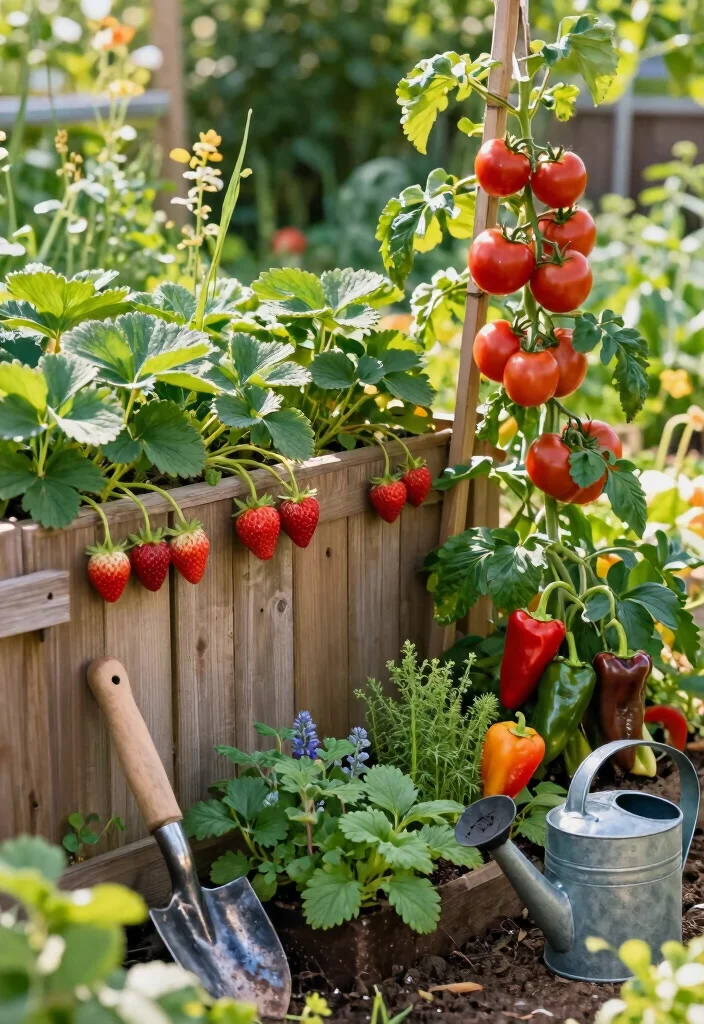
Maximize your outdoor space by creating an edible landscape along your fence. This combination of beauty and practicality allows you to grow fruits, vegetables, and herbs right in your garden! Imagine the delight of strawberries cascading over a low fence or tomatoes climbing up a trellis. This concept encourages sustainable living and healthy eating while looking visually appealing.
To enhance your edible landscape, use dwarf fruit trees for height without occupying too much space. Growing vertical crops like peas on trellises is a smart way to optimize your garden area. Adding edible flowers can elevate both the aesthetics and flavors of your space.
Consider these suggestions for your edible plants:
– Plant herbs in pots for easy access.
– Choose companion plants to improve growth.
– Use decorative planters to match your garden style.
Your edible landscape will be not only beautiful but also a source of fresh produce right at your fingertips.
9. Seasonal Displays
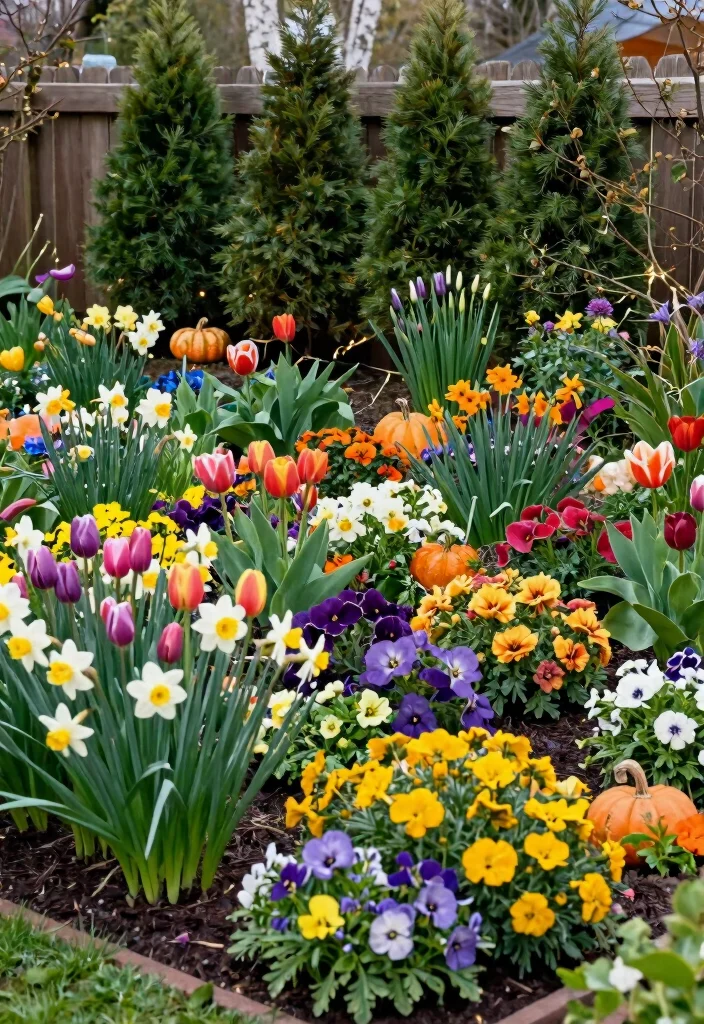
Celebrate the beauty of each season with a border garden that reflects the time of year. By planning for seasonal displays, you can ensure your fence is adorned with color and texture throughout the year. Plant spring bulbs, summer perennials, fall asters, and winter evergreens to maintain visual interest all year long.
To achieve a beautiful seasonal garden, select plants that thrive in your local climate. Planning for a mix of blooms and foliage will create a dynamic display, while incorporating seasonal decorations like pumpkins or festive lights will enhance the atmosphere.
Here are some seasonal planting tips:
– Choose plants for continuous blooms across seasons.
– Use varying heights for dimension and interest.
– Include winter-hardy varieties for year-round color.
This approach allows you to enjoy your garden’s beauty in every season, creating a lively outdoor space.
Fun fact: You can color your border gardens along fence all year with just four seasonal groups. Start with spring bulbs, summer perennials, fall asters, and winter evergreens. When you plan ahead, your fence stays vibrant without daily upkeep.
10. Low Maintenance Perennials
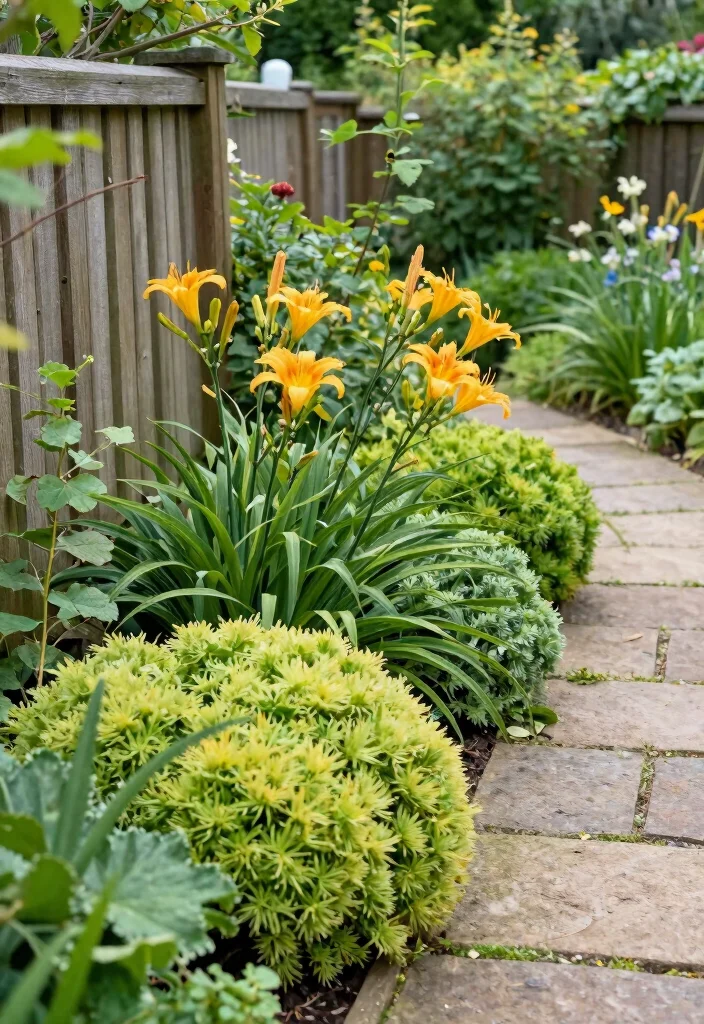
For those who appreciate a hands-off approach, consider incorporating low maintenance perennials in your border garden. Plants like sedum, daylilies, and hostas are hardy and resilient, requiring minimal care while still offering stunning beauty. These plants can adapt to various weather conditions, making them ideal for busy homeowners.
Choosing low maintenance plants allows you to enjoy blooms year after year without the hassle of replanting. They adapt well to different soil types, and many attract beneficial pollinators and wildlife.
Here are a few reasons to choose low maintenance plants:
– They provide consistent beauty with little effort.
– They require less water and care over time.
– They often enrich the ecosystem with pollinator support.
Low maintenance perennials offer a stress-free way to enjoy a beautiful border garden, allowing you more time to relax and appreciate your space.
11. Color Theory in Garden Design
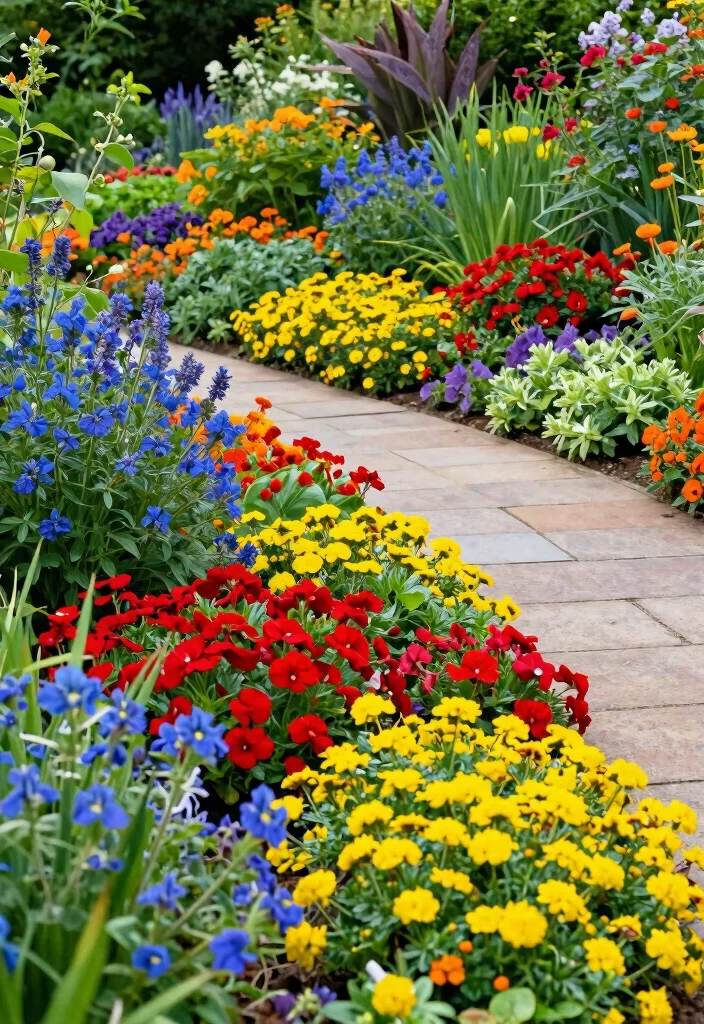
Unleash your creativity by applying color theory to design a border garden that truly stands out. Select your plants based on color harmonies, such as complementary or monochromatic schemes, to create a striking visual impact. Cool colors like blues and purples can add calm, while warm colors like reds and yellows can energize the atmosphere.
To maximize color impact, plant in groups for a bold statement. Use contrasting colors for dramatic effects and incorporate foliage with varying hues to add depth and interest.
Here are some color design tips to consider:
– Mix different shades to create a dynamic look.
– Use focal colors to lead the eye through the garden.
– Balance bright blooms with calming greenery.
Thoughtfully selecting your plant colors allows you to craft a cohesive and attractive border garden that catches the eye and lifts the spirit.
12. Decorative Fencing Ideas
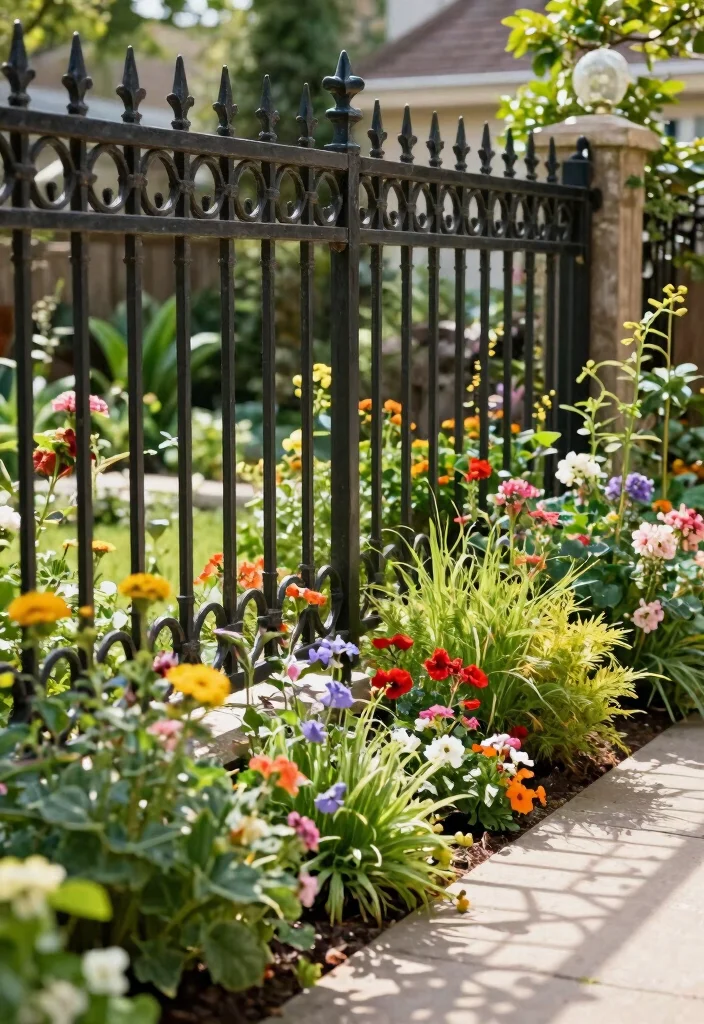
Enhance your garden’s charm with decorative fencing that complements your border garden beautifully. Consider unique designs like trellises, wrought iron grills, or painted fences to add character to your outdoor space. A well-chosen fence acts as a frame, highlighting the beauty of the flowers and plants that grow alongside it.
When selecting a fence, match the style to your home’s architecture for a cohesive look. Use contrasting colors to create a vibrant appearance, and consider lattice or cut-out designs to introduce added texture.
Explore these design strategies:
– Incorporate climbing plants to enhance the fence’s allure.
– Use color to create an eye-catching focal point.
– Choose materials that withstand the elements while looking good.
Enhancing your fence elevates the entire ambiance of your outdoor space, making it feel more inviting and vibrant.
13. Integrating Garden Art
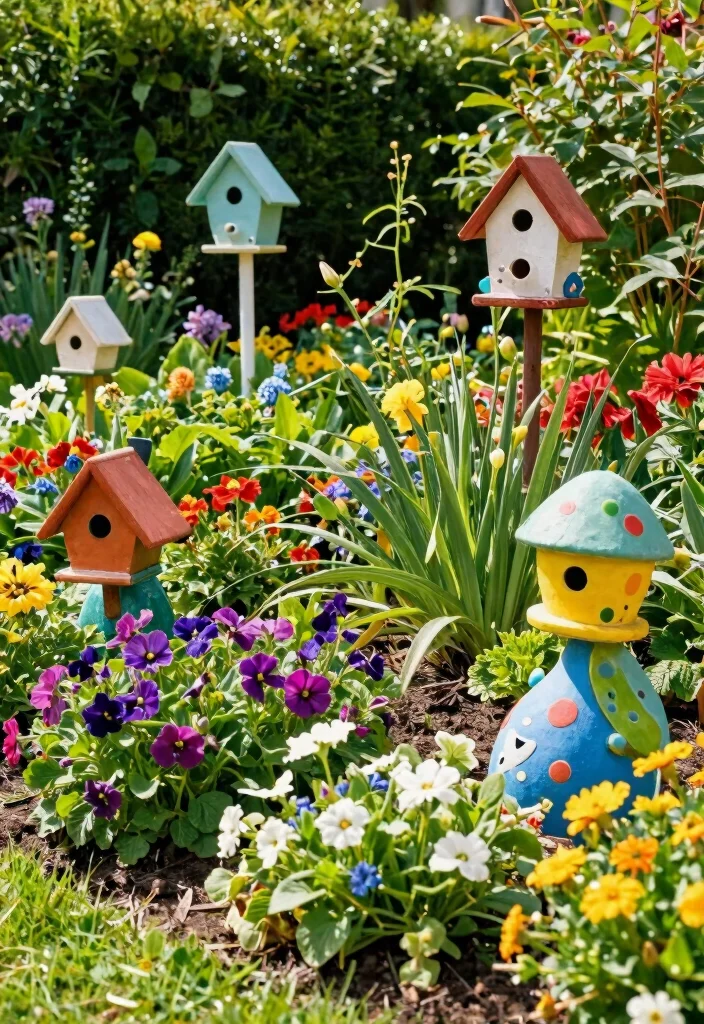
Personalize your border garden by integrating art and decoration into the design. Garden sculptures, whimsical birdhouses, and colorful stakes can serve as focal points, sparking joy and adding visual interest. Consider using handmade or repurposed items to create a unique flair that reflects your personality.
When incorporating garden art, choose pieces that resonate with your style and interests. Position art at varying heights to create visual layers, and ensure each piece harmonizes with the surrounding plants for a cohesive look.
Here are some tips for successfully integrating garden art:
– Use bold colors to create eye-catching contrasts.
– Mix different materials for added texture and depth.
– Keep the scale of art in proportion to the garden space.
Art adds personality to your garden, making it a true reflection of you and your unique style.
14. Wildlife-Friendly Borders
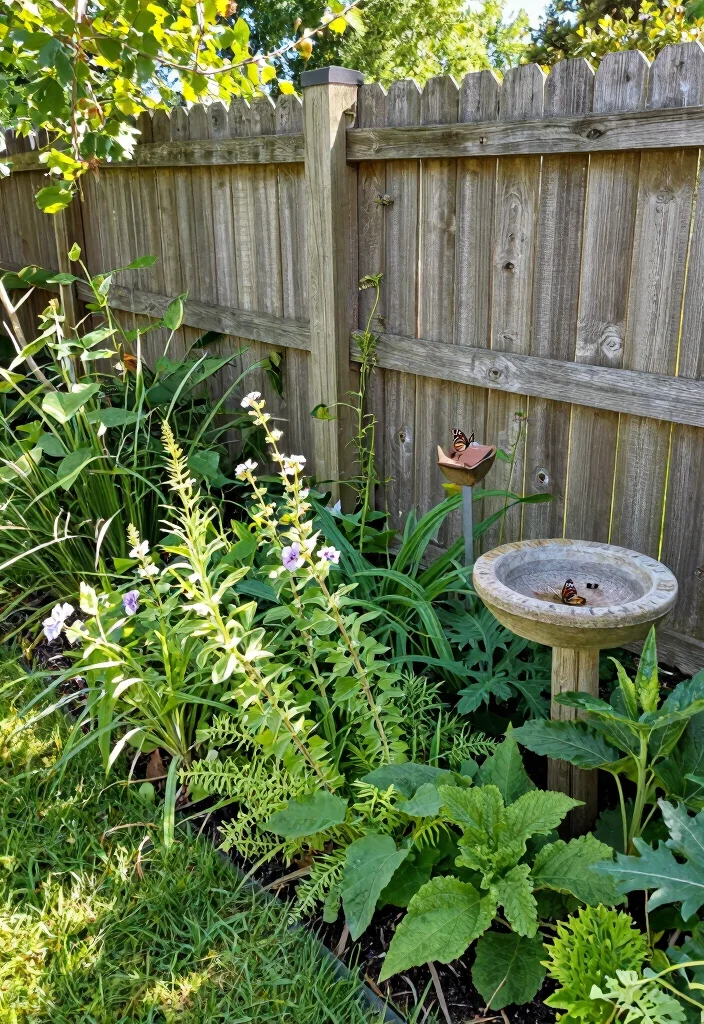
Design a border garden that welcomes wildlife into your space, creating a vibrant ecosystem. By incorporating native plants, you provide food and habitat for local birds, butterflies, and bees, enriching your garden’s biodiversity. Adding bird feeders, water features, or nesting boxes will create a lively atmosphere full of movement and color.
To create a wildlife-friendly garden, select a variety of plants that bloom at different times to ensure continuous food sources. Incorporate natural materials like logs or stones to provide shelter, and avoid pesticides to keep the environment safe for all creatures.
Consider these tips for a successful wildlife-friendly garden:
– Create diverse planting layers for habitat variety.
– Include nectar-rich flowers to attract pollinators.
– Provide safe spaces for wildlife to rest and thrive.
A wildlife-friendly border garden not only enriches the ecosystem but also brings nature closer to home, creating a peaceful retreat.
15. DIY Fence Garden Planters
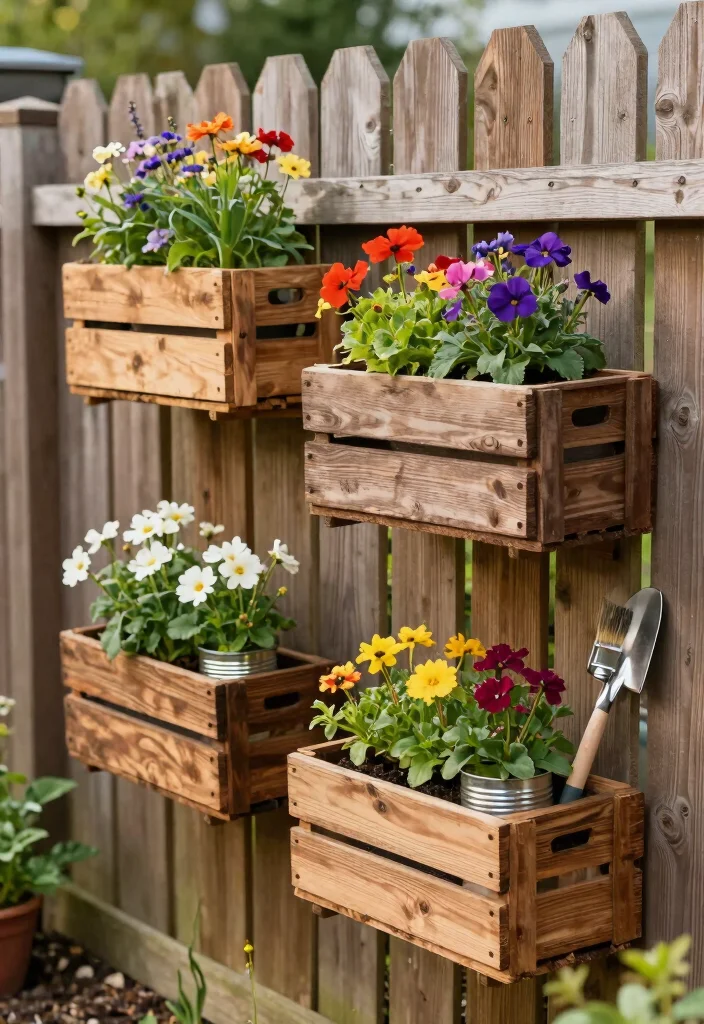
Ignite your creativity with DIY fence garden planters! Repurpose old pallets, wooden crates, or tin cans to craft charming and unique planters that line your fence. This budget-friendly approach adds a personal touch while customizing your border garden. Paint or decorate the planters to reflect your style, and fill them with vibrant flowers or fragrant herbs.
Ensure your DIY planters have drainage holes to keep plants healthy and thriving. Opt for weather-resistant materials to guarantee durability, and experiment with different heights and arrangements for a whimsical look.
Consider these DIY tips:
– Use a variety of textures to create visual interest.
– Group planters for a cohesive appearance.
– Add labels to identify herbs or flowers.
DIY planters add character and charm to your garden, making it feel like an extension of your creative home.
Conclusion
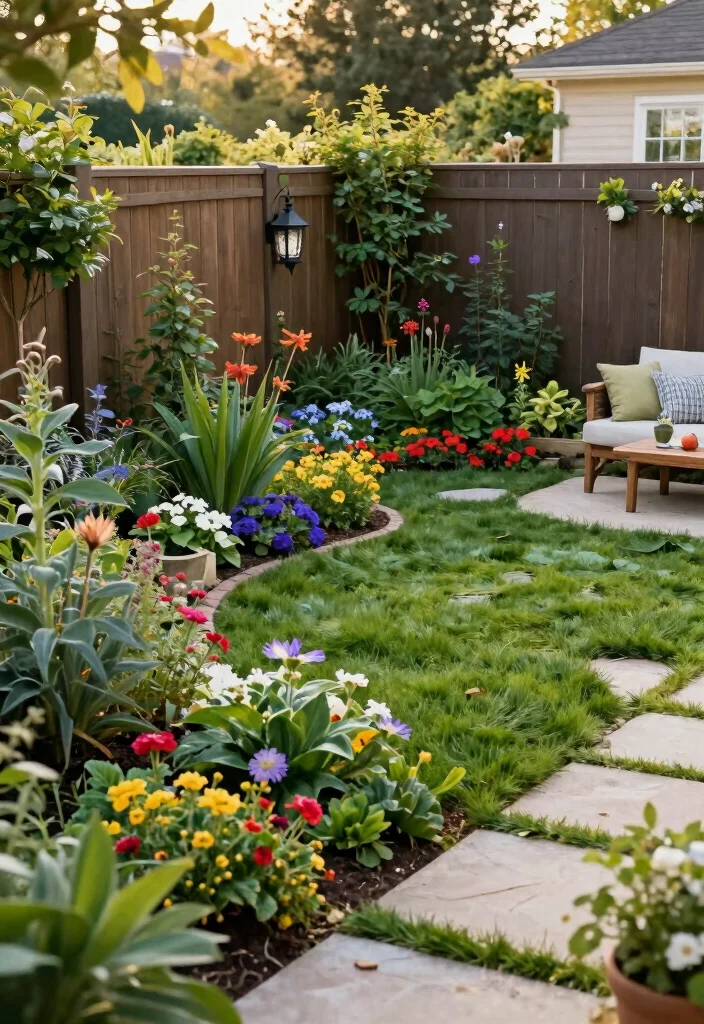
Creating a border garden along your fence can be a rewarding project that enhances the beauty of your outdoor space.
With so many creative ideas and designs to choose from, you can easily find a style that reflects your personality and meets your gardening goals. Consider these lush layers as your canvas to express creativity and cultivate a flourishing garden filled with life and color.
Note: We aim to provide accurate product links, but some may occasionally expire or become unavailable. If this happens, please search directly on Amazon for the product or a suitable alternative.
This post contains Amazon affiliate links, meaning we may earn a small commission if you purchase through our links, at no extra cost to you.
Frequently Asked Questions
What exactly are border gardens along fence and how do I start mine?
Border gardens along fence are garden strips planted right against your fence to soften the boundary and add privacy. Here’s how to start:
1) map the space and note sun exposure; 2) choose a simple color palette and plan your border garden design with layered planting; 3) prep the soil with compost and ensure good drainage; 4) pick plants that create a layered look—groundcovers at the base, mid-height shrubs, and a climber near the fence; 5) install a simple irrigation solution like a drip hose; 6) maintain with regular pruning and mulch to keep it neat. This workflow helps you create border gardens along fence that feel lush and cohesive.
Which plants work best for vertical border garden ideas along a fence?
For vertical border garden ideas along a fence, start by matching plant choices to sun or shade. In sunny spots, try lavender, salvia, and creeping thyme; in shade, go for ferns and hostas. Add climbing options on a trellis such as clematis, honeysuckle, or climbing roses to create height along the fence. Use planters or wall pockets to extend height and keep a cohesive look with a simple color palette. Plan for a layered effect with base groundcovers and mid-height shrubs that lead the eye upward, and consider native varieties to reduce maintenance. Water with a drip irrigation system to keep things tidy with less effort. This keeps your border gardens along fence vibrant with minimal fuss.
How can I create a lush, layered look along a fence with minimal maintenance?
To get a lush, layered look along a fence without heavy upkeep, start with a backbone of evergreen base plants that stay green year‑round, add seasonal color with a few repeat bloomers, and top with climbers along the fence or trellis for vertical interest. Use a simple palette of two to three colors to keep it cohesive and easy to care for. Mulch well to suppress weeds and conserve moisture, and install a low‑cost drip irrigation system to reduce watering work. Group plants in odd numbers for a natural feel, and prune after flowering to maintain shape. This is a practical way to achieve great border garden design and decorative fence landscaping along fence with vertical garden ideas built in.
Are there budget-friendly fence garden ideas to improve a border garden along fence?
Yes. Start with what you already have and layer in smart additions. Use existing plants to form a base and fill in with affordable perennials and annuals in blocks for impact. Mulch heavily to cut down weeds, and propagate from cuttings or seeds when possible. Creative vertical accents like upcycled pallets turned into planters or inexpensive lattice panels add height without breaking the budget, and you can transform plain fencing into decorative fence landscaping with a few simple planters and climbers. Choose native, drought-tolerant varieties to reduce water and maintenance. This is a practical, budget-friendly path to fence garden ideas that still feels lush and cohesive.
How do I maintain border gardens along fence through the seasons without damaging the fence?
Maintenance starts with plant choice and spacing to avoid crowding the fence. Use a mix of evergreen backbone and seasonal color, and train climbers on a lattice or trellis so they don’t grow straight into the fence panels. Keep a tidy edge along the fence line, and check that vines aren’t wrapping around nails or deteriorating the fencing. Prune after bloom to maintain shape, mulch to conserve moisture, and water with a drip system to minimize waste. In spring, refresh mulch and divide perennials as needed; in fall, prune and prep for winter. This approach keeps your border gardens along fence looking neat and vibrant as the seasons change.
Related Topics
border gardens along fence
fence garden ideas
landscaping with borders
vertical garden ideas
decorative fence landscaping
easy garden projects
lush garden design
outdoor decor
backyard landscaping
beginner friendly gardening
seasonal flowers
vertical planting techniques